When it comes to handball, the ball itself is arguably the most fundamental piece of equipment. The right handball can significantly enhance your playing experience, while the wrong one can lead to poor technique development and even increase injury risk. In this comprehensive guide, we’ll explore everything you need to know about selecting the perfect handball for your specific needs.
Understanding Handball Sizes and Categories
One of the most important factors in choosing a handball is selecting the correct size. The International Handball Federation (IHF) has established official size standards based on age and gender:
| Size | Circumference | Weight | Recommended For |
|---|---|---|---|
| Size 3 | 58-60 cm | 425-475 g | Adult men (ages 16+) |
| Size 2 | 54-56 cm | 325-375 g | Adult women and male youth (ages 12-16) |
| Size 1 | 50-52 cm | 290-330 g | Female youth (ages 8-14) and younger male players |
| Size 0 | 46-48 cm | 255-280 g | Children (ages 6-10) |
| Size 00 | 44-46 cm | 190-225 g | Mini handball for younger children |
Selecting the appropriate size is crucial for proper skill development. Using a ball that’s too large or heavy can lead to poor technique and potentially cause wrist or arm injuries, especially in younger players.
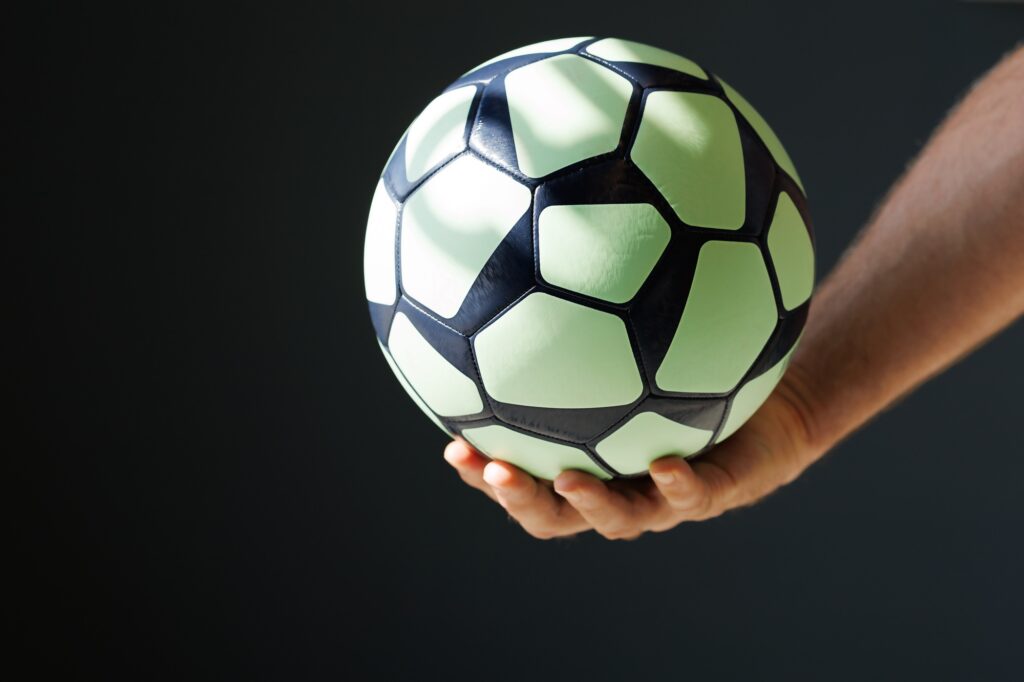
Key Factors in Handball Quality
Material Composition
Modern handballs typically feature several layers of materials:
- Core: Usually made of latex or rubber, the core determines how the ball bounces and responds to impact.
- Foam layer: Provides cushioning and determines how the ball feels when caught and thrown.
- Outer covering: Influences grip, durability, and overall feel of the ball.
Premium handballs often use multiple layers of specialized materials, while entry-level balls may have simpler construction.
Grip Technology
Grip is perhaps the most critical factor in handball performance:
- Surface texture: Various patterns of dimples, pebbling, or embossing enhance grip
- Resin compatibility: Some balls are specifically designed to be used with or without resin
- All-weather grip: Specialized surfaces that maintain grip performance in varying humidity conditions
IHF Approval Levels
The International Handball Federation certifies balls that meet their quality standards:
- IHF Approved: Meets all requirements for official competition play
- IHF Standard: Suitable for training and lower-level competition
- Non-approved: May vary in quality but can be suitable for recreational play
Stitching Method
The way a handball is constructed affects its performance and durability:
- Machine-stitched: Most affordable option, good for beginners and recreational play
- Hand-stitched: Better shape retention and durability, preferred for regular training
- Bonded/thermal-bonded: No external stitching, creating a smoother surface and consistent bounce; used in high-level competition
Top Handball Brands and Models
Molten
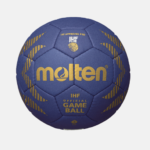
Known for exceptional grip and consistent performance, Molten is a favorite among professionals.
Notable models:
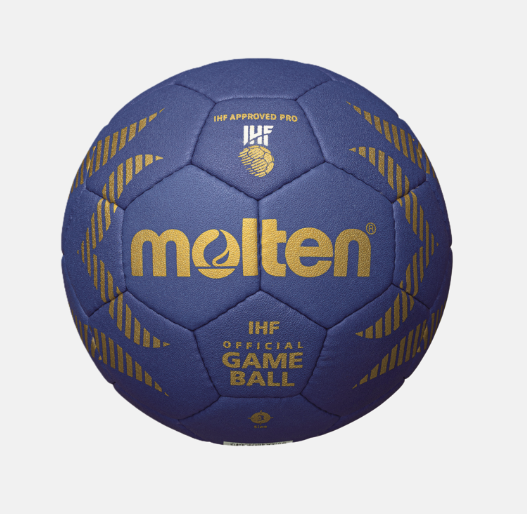
- Molten X5000: Competition-level ball with premium grip technology
- Molten H3X3200: Excellent training ball with good durability-to-price ratio
- Molten H1X2000: Great option for youth players
Select
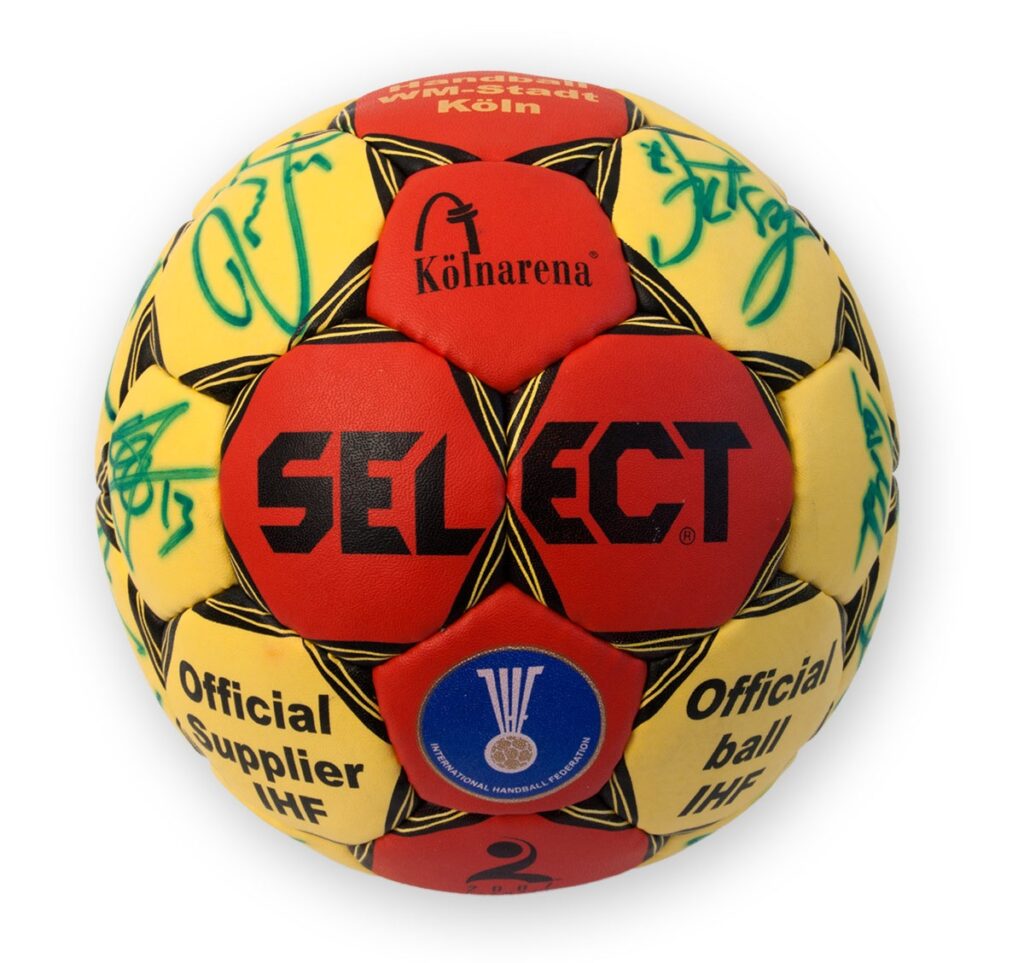
A pioneer in handball manufacturing, Select offers some of the most technically advanced balls available.
Notable models:
- Select Ultimate: The official ball of many professional leagues
- Select Mundo: Excellent all-around training ball
- Select Torneo: Good entry-level option for clubs and schools
Hummel
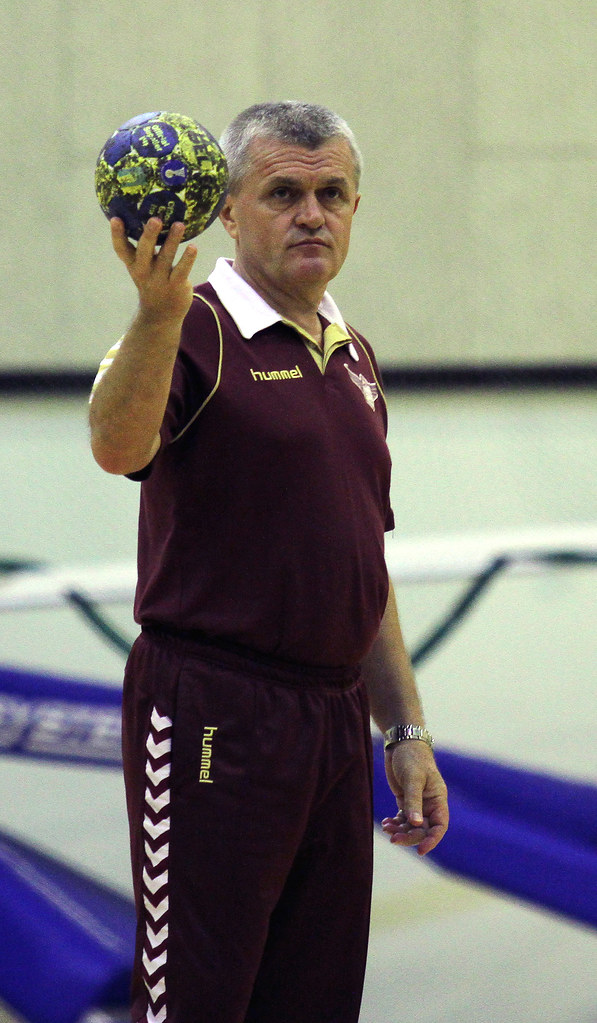
Combining tradition with innovation, Hummel produces reliable handballs for all levels.
Notable models:
- Hummel Elite: High-end competition ball
- Hummel Premier: Durable training option
- Hummel Kids: Specifically designed for younger players
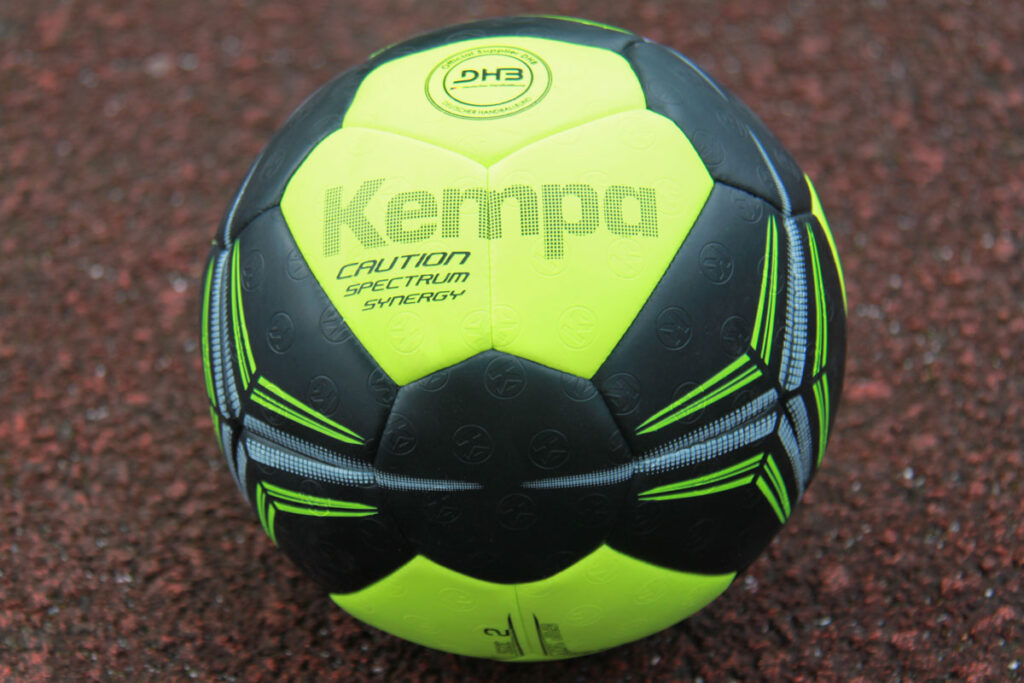
Kempa
Specialized handball equipment manufacturer with excellent quality control.
Notable models:
- Kempa Spectrum Synergy Pro: Premium match ball
- Kempa Tiro: Versatile training ball
- Kempa Leo: Entry-level option with good grip
adidas
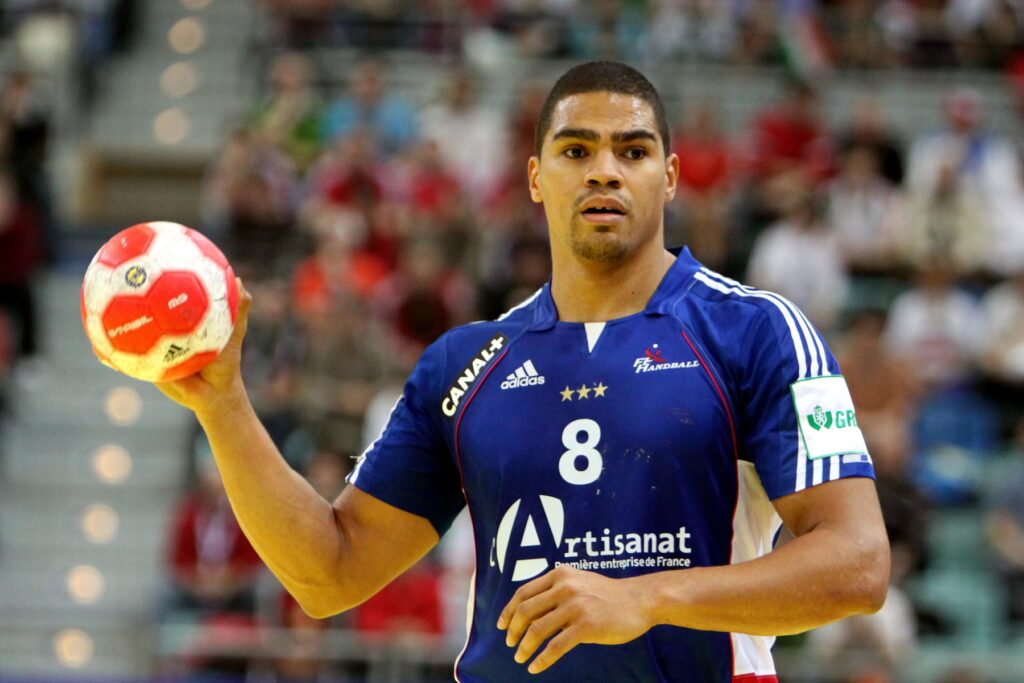
Leveraging their expertise in ball sports, adidas offers quality handballs with innovative features.
Notable models:
- adidas Stabil Replique: Official replica of competition balls
- adidas Stabil Train: Durable training option
- adidas Comire Twist: Budget-friendly option for recreational play
Handball Care and Maintenance
To maximize the lifespan and performance of your handball:
Proper Inflation
- Always inflate to the manufacturer’s recommended pressure (typically between 0.3-0.4 bar/4.5-6 psi)
- Use a specialized needle and pump with pressure gauge
- Check pressure regularly, as balls naturally lose air over time
Cleaning
- Wipe with a slightly damp cloth after use
- For deeper cleaning, use mild soap and lukewarm water
- Never soak the ball or use harsh chemicals
- Allow to air dry completely away from direct heat or sunlight
Storage
- Store at room temperature
- Avoid extreme temperatures that can damage the materials
- Slightly deflate for long-term storage
- Keep away from direct sunlight, which can degrade the outer material
Choosing the Right Ball for Your Needs
For Competitive Players
If you play in organized leagues or competitions:
- Invest in an IHF-approved match ball
- Consider having a separate training ball to preserve your match ball
- Select a ball that matches the specifications used in your league
For Training and Club Use
For regular training environments:
- Prioritize durability and consistent performance
- Hand-stitched or hybrid construction offers the best balance of quality and longevity
- Consider slightly more economical options than top-tier match balls
For Recreational Players
If you play casually or are just starting out:
- Focus on comfort and appropriate size
- Machine-stitched balls offer good value
- Look for balls designed for all surfaces if you play on varied courts
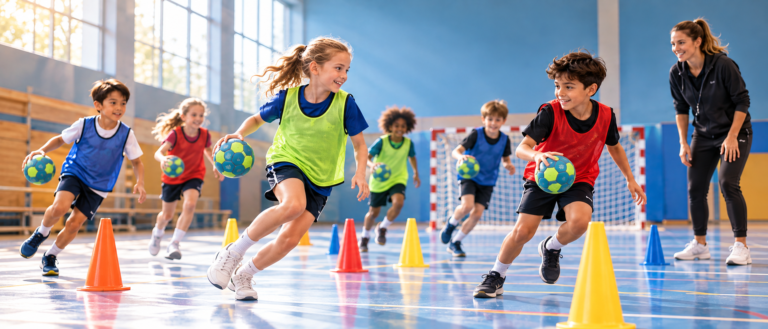
For Youth Development
When coaching or equipping younger players:
- Correct size is absolutely crucial
- Look for softer options that reduce fear of catching
- Consider slightly lighter balls within the official weight range
- Colorful designs can increase engagement and visibility
Best Handballs by Category
Best Match Ball: Select Ultimate
The gold standard for competitive play, featuring:
- Superior grip even without resin
- Extremely consistent bounce and flight characteristics
- IHF approved for all levels of competition
- Zero-wing bladder for optimal roundness
- Premium PU surface with optimized dimple pattern
Price range: $80-100
Best Training Ball: Molten H2X3200
Exceptional durability meets performance:
- Durable synthetic leather cover
- Excellent grip-to-durability ratio
- Consistent performance characteristics
- Suitable for both indoor and outdoor hard courts
- Maintains shape even after extensive use
Price range: $40-60
Best Value Ball: Kempa Tiro
Outstanding quality-to-price ratio:
- Hand-stitched construction
- Good grip without resin
- Durable enough for regular training
- Consistent flight and bounce
- Available in all official sizes
Price range: $30-40
Best for Youth Players: Molten H1X1300
Designed specifically for proper youth development:
- Softer surface for easier catching
- Slightly lighter weight to reduce injury risk
- Bright color for better visibility
- Durable construction for young players
- Excellent grip even with smaller hands
Price range: $25-35
Best Indoor/Outdoor Option: Select Duo Soft
Versatile performance across different playing surfaces:
- Special rubber compound for multi-surface use
- Extra soft feel for comfortable catching
- Reinforced construction for outdoor durability
- Consistent performance in varying conditions
- Excellent value for recreational players
Price range: $35-45
Conclusion: Investing in Quality
While it might be tempting to purchase the least expensive handball available, investing in a quality ball appropriate for your level is one of the most important equipment decisions you can make. A good handball will:
- Improve your catching and throwing technique
- Reduce injury risk through proper weight and grip
- Last longer, providing better value over time
- Deliver a more enjoyable playing experience
Remember that proper sizing is non-negotiable, particularly for developing players. It’s better to purchase a mid-range ball in the correct size than a premium ball in the wrong size.
For most club players, having two balls is ideal: a higher-quality match ball for games and a durable training ball for practice sessions. This approach maximizes performance when it matters while extending the lifespan of your equipment.