Position‑specific handball training is one of the fastest ways to level up your game, whether you’re a coach building a complete program or a player trying to stand out in your role. Modern handball is incredibly fast and tactically complex, and each position comes with its own technical, physical, and mental demands.
In this guide, we’ll break down position‑specific handball drills and training principles for:
- Backcourt players (left, center, right back)
- Wing players
- Pivot (line player)
- Goalkeepers
You’ll find practical tips, example drills, and handball training ideas that can easily be integrated into your next practice or individual workout.
Why Position‑Specific Handball Training Matters
In youth levels, general skill development is essential. But as competition increases, position‑specific training in handball becomes non‑negotiable. Every role on the court requires a unique mix of:
- Technical skills (shooting angles, passes, blocks, feints)
- Physical attributes (speed, strength, endurance, explosiveness)
- Tactical awareness (reading defenses, timing runs, blocking lanes)
- Mental skills (decision‑making, courage, discipline, focus)
By tailoring training to each position-backcourt, wing, pivot, and goalkeeper-you help players:
- Play to their strengths
- Reduce injuries through smarter load management
- Understand their role in offensive and defensive systems
- Increase efficiency in game‑like situations
Backcourt Handball Training (Left, Center & Right Back)
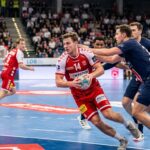
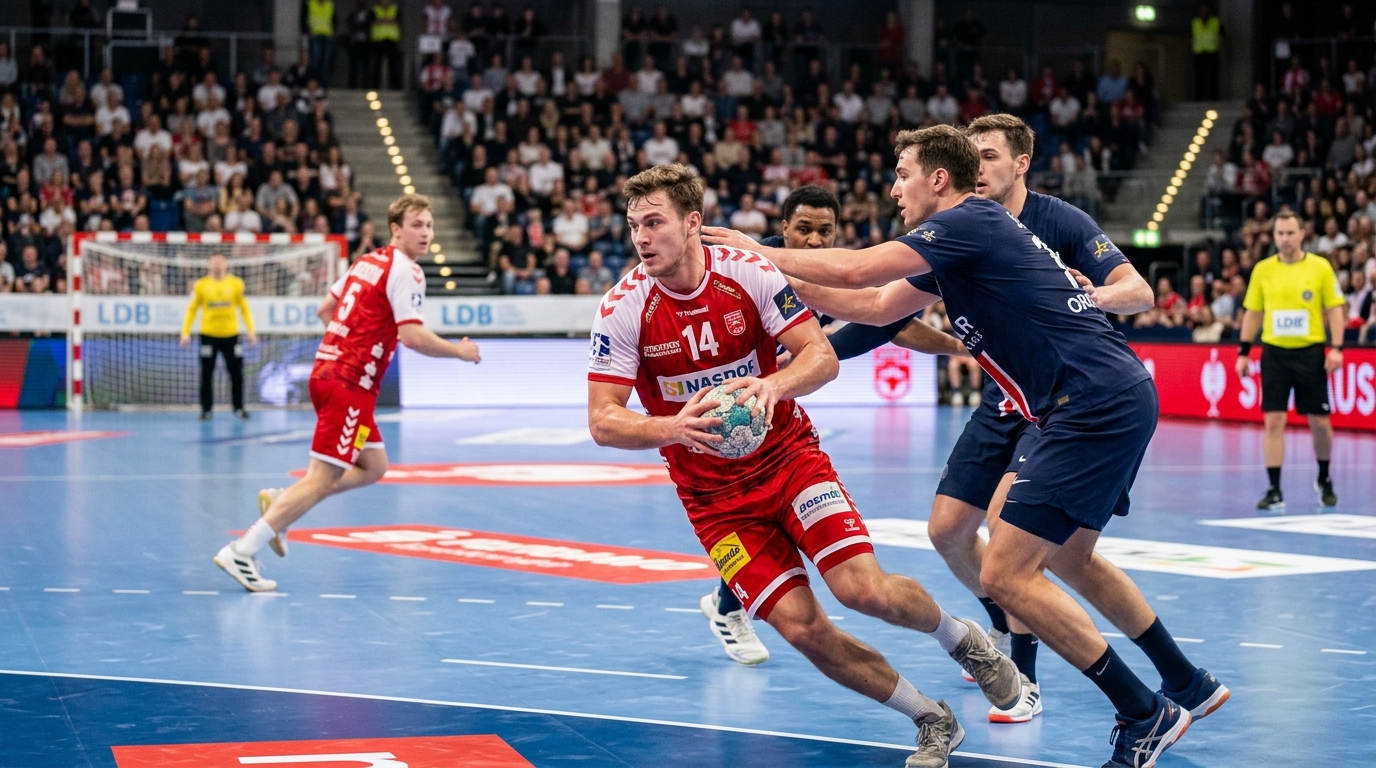
Backcourt players are often the primary shooters and playmakers. They need powerful jumps, long‑range shooting, and the ability to read defenses under pressure.
Key Skills for Backcourt Players
- Powerful jump shots and ground shots from 8-10 meters
- One‑on‑one breakthrough moves and feints
- Playmaking: organizing attack, timing passes, calling plays
- Defensive presence in the central block or half position
Physical Requirements
- Explosive leg strength for jumping and quick direction changes
- Core and upper‑body strength for powerful shots
- Good aerobic base with high‑intensity repeat sprint ability
Backcourt Handball Drills
1. Three‑Point Jump Shot Series
- Place cones at 7 m, 9 m, and 10 m central positions.
- Player receives a pass at each cone, performs an aggressive run‑up and jump shot.
- Emphasize: arm whip, body rotation, landing on two feet for balance.
2. One‑on‑One Breakthrough Lane
- Defender starts about 1 m inside the 9 m line.
- Backcourt player receives the ball at 11-12 m, attacks full speed.
- Focus on feints, changing rhythm, and finishing through contact.
3. Playmaker Vision Drill
- Set up three offensive teammates (left wing, pivot, right wing) and two passive defenders.
- Center back receives the ball and has 2 seconds to decide: pass to wing, pivot, or keep.
- Coach calls defensive movement (e.g., “move out on left back”), and the playmaker reacts.
Backcourt Strength & Conditioning Focus
- Heavy squats, lunges, and Olympic variations (if supervised) for power
- Medicine ball rotational throws for shot power
- Repeated sprint training: 10-20 m sprints with short recovery
Wing Handball Training (Left & Right Wing)
Wing players are specialists in fast breaks, tight‑angle finishing, and defensive transitions. They often decide close games with their efficiency from the wing and counter‑attacks.
Key Skills for Wing Players
- High‑percentage scoring from sharp angles
- Fast‑break running and finishing under pressure
- Toe‑on‑the‑line timing and use of the sideline space
- Defensive coverage in wide zones and backtracking
Physical Requirements
- Top‑end speed and acceleration
- Coordination and body control in the air
- Excellent agility and quick footwork along the sideline
Wing Handball Drills
1. Angle Finishing Progression
- Start with static catches at 6 m, then progress to running diagonally toward the corner.
- Practice:
- Standard jump shot
- Wing “dive” finish (flying shot)
- Low bounce shot under goalkeeper’s arm
- Change take‑off foot and shooting arm angles.
2. Fast Break Ladder
- Player starts on the wing, sprints the full court to receive a long pass.
- Finishes 1v0, jogs back, then repeats 1vGK, then 1v1 chase with defender.
- Emphasize catching the ball in stride and finishing quickly.
3. Sideline Agility & Decision Drill
- Mark a 10 m corridor parallel to the sideline with small cones.
- Player dribbles or runs through with changes of direction (jabs, stops, starts).
- Coach calls “in” (cut inside), “stay” (continue wide), or “delay” (hold and pass back).
Wing Conditioning Focus
- Short sprints (10-30 m) with ball control
- Agility ladder and cone drills with catching/passing
- Plyometric hops and lateral bounds to improve jumping off one foot
Pivot (Line Player) Handball Training
The pivot (line player) fights in the “traffic zone” near the 6 m line. Their job is to create space, absorb contact, and finish in tight windows.
Key Skills for Pivot Players
- Wrestling for position and sealing defenders
- Quick catches and finishes under heavy pressure
- Screening and blocking to free backcourt shooters
- Reading gaps between defenders and timing entries
Physical Requirements
- Strong upper body and core for contact situations
- Balance and stability when pushed or pulled
- Explosive final step and quick release
Pivot Handball Drills
1. Seal and Receive Drill
- Pivot battles with a defender on the 6 m line.
- Backcourt player passes only when the pivot has full inside position.
- Focus: wide base, low center of gravity, strong arm bar, quick turn and finish.
2. Contact Catch & Finish
- Coach lightly pushes or holds the pivot while a pass is thrown.
- Pivot must catch, stabilize, and finish within one or two steps.
- Use both hands and practice finishes across the body.
3. Screen & Slip Drill
- Pivot sets a screen for backcourt; after contact, they “slip” into open space.
- Backcourt attacks the gap; if defender helps, the ball goes to the pivot.
- Develops timing with playmakers and reading defensive reactions.
Pivot Strength Focus
- Heavy pulls (rows, deadlifts) and presses (bench, push‑ups)
- Farmer’s walks and carries for grip and whole‑body strength
- Isometric holds (wall sits, plank variations, partner resistance)
Goalkeeper‑Specific Handball Training
Goalkeepers are the backbone of any handball team. Position‑specific goalkeeper training in handball is essential for developing reflexes, reading shooters, and commanding the defense.
Key Skills for Goalkeepers
- Explosive lateral movement and reach
- Reading shooters’ body language and arm position
- Positioning relative to ball, angle, and defender blocks
- Communication with defenders (blocks, switches, shot tendencies)
Physical Requirements
- Excellent reaction speed and coordination
- Flexible hips, shoulders, and hamstrings
- Strong core and legs for repeated explosive moves
Goalkeeper Handball Drills
1. Close‑Range Reaction Shots
- Shooter stands at 6-7 m and takes controlled but quick shots to different zones.
- Goalkeeper focuses on small, efficient steps and balanced stance.
2. Footwork & Angle Drill
- Place cones at different shooting positions around the 9 m line.
- Goalkeeper moves in front of each cone, adjusting angle and distance from goal line.
- Coach occasionally shoots to test positioning decisions.
3. Screened Vision Training
- Place one or two teammates as “blockers” in front of the goalkeeper.
- Shooter releases the ball from behind the block.
- Goalkeeper practices reading the ball late, reacting from limited vision.
Goalkeeper Conditioning Focus
- Short, explosive lateral shuffles and jumps
- Core stability work (anti‑rotation, planks, medicine ball throws)
- Flexibility and mobility routines to stay injury‑free
Comparison of Position‑Specific Demands
| Position | Main Role | Key Physical Trait | Top Skill Focus |
|---|---|---|---|
| Backcourt | Shooting & playmaking | Explosive power | Long‑range jump shot |
| Wing | Fast breaks & wide finishing | Speed | Angle finishing |
| Pivot | Space creation & close finishing | Strength | Sealing & catching under contact |
| Goalkeeper | Shot stopping & organizing defense | Reaction speed | Positioning & reading shooters |
Integrating Position‑Specific Training into Weekly Handball Practice
To make position‑specific handball training sustainable, it needs to fit into your weekly schedule without overwhelming players.
Sample Weekly Structure
| Day | Focus | Position‑Specific Element |
|---|---|---|
| Monday | Team tactics + conditioning | Basic roles in attack/defense for all positions |
| Wednesday | Skills & small‑sided games | Separate groups: backcourt, wings, pivot, GK |
| Friday | Game simulation | Run set plays with clear role responsibilities |
Practical tips for coaches:
- Dedicate at least 20-30 minutes of each training session to position‑specific drills.
- Rotate younger players through different positions before specializing fully.
- Use video clips to analyze real game situations for each position.
- Communicate clearly how each drill relates to match‑day roles.
Benefits of Position‑Specific Handball Training
Investing time into role‑focused training pays off quickly-in both performance and team cohesion.
Performance Benefits
- Higher shooting efficiency from key areas of the court
- Better timing and chemistry between backcourt, wings, and pivot
- Fewer tactical errors in defense due to clear responsibilities
- More confident goalkeepers, leading to higher save percentages
Development Benefits
- Players understand what success looks like in their position
- Clear individual goals for training and matches
- Smarter workload management (e.g., extra jumping work for backs and wings, more strength for pivots)
- Better talent identification: coaches can see who naturally fits which role
Practical Tips for Players by Position
Backcourt Players
- Track your shot percentage from 8-10 m in training.
- Study video of top backs to see how they use feints and timing.
- Work on weak‑hand passing to keep defenses guessing.
Wing Players
- Practice at least 30-50 wing shots per side every week.
- Run extra fast‑break sprints after practice to simulate fatigue.
- Learn to communicate early with your goalkeeper for quick outlet passes.
Pivot Players
- Focus on catching difficult passes with one hand.
- Use strength training to become more stable, not just bigger.
- Talk with your backs about where and when they like you to set screens.
Goalkeepers
- Keep a simple log: type of shots faced vs. saves in training.
- Do a short reaction routine (5-10 minutes) before every practice and game.
- Develop a clear language with your defenders (e.g., “left block,” “high shot,” “cross”).
Conclusion: Build a Smarter, Stronger, Position‑Focused Handball Team
Position‑specific handball training for backcourt players, wings, pivots, and goalkeepers is not a luxury-it’s a necessity if you want to compete at higher levels. By understanding the unique skills, physical demands, and tactical responsibilities of each role, you can design handball drills and sessions that are more efficient, game‑relevant, and enjoyable.
Whether you’re a coach planning your next training block or a player looking to specialize, start by:
- Identifying your position’s key skills
- Adding focused drills for those skills into every session
- Reviewing performance in real games and adjusting training accordingly
Over time, these targeted improvements compound into a team that moves, thinks, and plays with purpose in every position on the court.