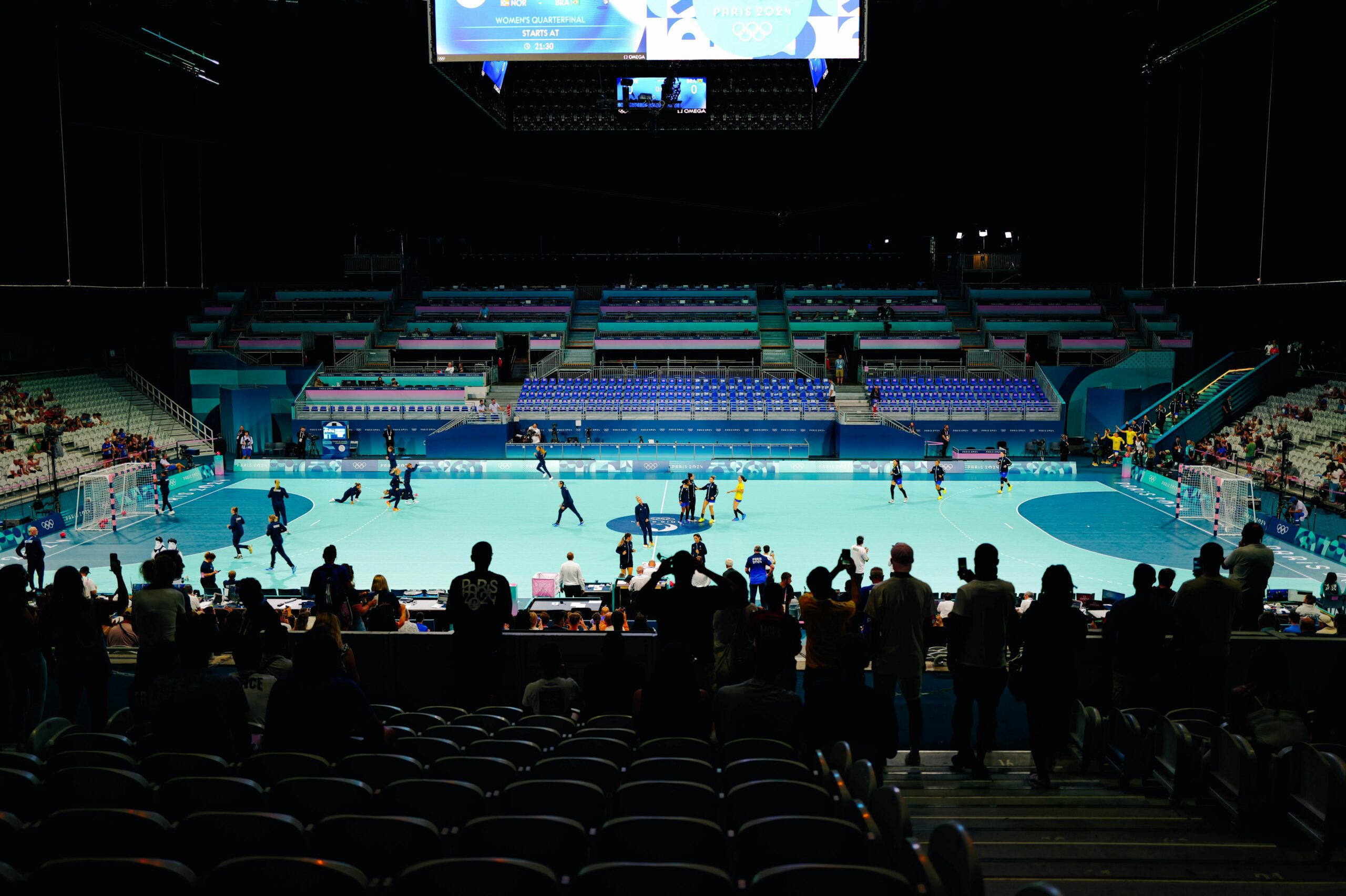
Winning a handball championship is rarely about one magic tactic or a single superstar player. It’s the end result of months (and often years) of planning, training, and building a competitive mindset. Whether you coach a youth team, play in a semi-professional league, or simply love following international handball tournaments, understanding what it takes to win a handball championship can transform how you see the game.
This guide walks through the complete journey: from preseason preparation and tactical development to mental toughness and recovery strategies. Along the way, you’ll find practical tips, real-world examples, and proven concepts you can adapt to your own handball team.
Why Winning a Handball Championship Is Different
League games are one thing; championship handball is another. In knockout phases and final tournaments, the stakes are higher, the pressure is heavier, and every mistake is magnified. To lift the trophy, teams need:
- Consistency across an entire season and through playoffs
- Depth in the squad to handle injuries and fatigue
- Mental resilience for must-win games
- Adaptability to different opponents and playing styles
In short, the road to the title is a marathon disguised as a sprint: you need both long-term planning and the ability to explode into decisive performances when it matters most.
Building the Foundation: Preseason and Long-Term Planning
The path to any handball title starts long before the first whistle of the season. Championship teams treat preseason as the foundation on which everything else is built.
1. Setting Clear, Measurable Goals
Championship-winning teams know exactly what they’re aiming for and what it will take to get there. Effective goal-setting includes:
- Performance goals: e.g., “Top 3 in defensive efficiency,” “Average 30 goals per game.”
- Process goals: e.g., “Three strength sessions per week,” “Minimum 85% training attendance.”
- Outcome goals: e.g., “Reach the semifinal,” “Win the national cup.”
Clear goals guide training plans, player recruitment, and tactical choices throughout the season.
2. Building the Right Handball Squad
Winning a handball championship is rarely about having the 7 best players-it’s about having the right squad of 14-18 complementary players. Coaching staff look for:
- Balance of positions: Goalkeepers, wings, backs, line players, and utility players who can cover multiple roles.
- Mix of experience and youth: Veterans bring composure; younger players bring energy and depth.
- Role clarity: Starters, impact substitutes, defensive specialists, and power-play experts.
| Role | Primary Focus | Championship Impact |
|---|---|---|
| Playmaker (Center Back) | Organize attack, read defense | Controls game tempo in tight matches |
| Goalkeeper | Shot-stopping, directing defense | Turns close games with key saves |
| Defensive Specialist | Blocks, tackles, communication | Neutralizes opponent’s top scorers |
| Impact Sub | High-intensity minutes | Changes momentum off the bench |
Physical Preparation: Fitness, Strength, and Injury Prevention
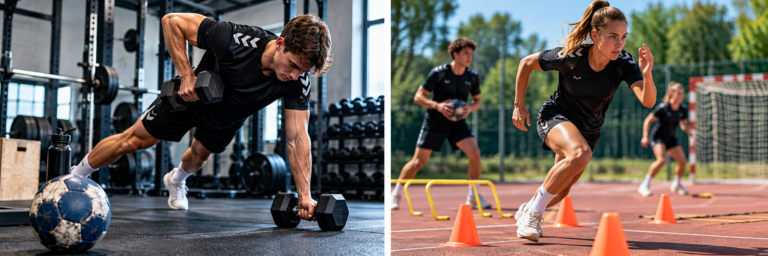
No team wins a handball championship at 80% fitness. The sport demands explosive strength, speed, endurance, and resilience in contact situations.
1. Strength and Conditioning for Handball
Elite handball teams follow structured strength and conditioning plans that cover:
- Explosive power: Jumps, sprints, and medicine ball throws for faster breaks and stronger shots.
- Strength for contact: Squats, deadlifts, and upper-body work to withstand tackles and screens.
- Agility and coordination: Ladder drills, cone drills, and change-of-direction exercises.
- Aerobic and anaerobic conditioning: Intervals, shuttle runs, and game-based drills for match fitness.
2. Recovery and Load Management
To stay fresh for decisive championship games, recovery must be planned, not improvised. Key elements include:
- Structured rest days during heavy phases of the season.
- Active recovery (light jogging, stretching, mobility work).
- Sleep routines and basic nutrition strategies (hydration, protein, carbs after training).
- Monitoring workload with simple tools: session RPE (rate of perceived exertion), wellness questionnaires, or GPS data where available.
3. Injury Prevention: Keeping the Squad Healthy
Injury prevention often separates champions from nearly-champions. Common strategies are:
- Prehab routines for shoulders, knees, and ankles (band work, stability drills).
- Warm-up protocols that progressively increase intensity.
- Load management for players returning from injury.
- Technique training for landing, tackling, and blocking to reduce strain.
Tactical Mastery: Offense, Defense, and Transition
Fitness and mentality open the door, but tactical handball wins tight knockout games. Successful championship teams are both well-drilled and flexible.
1. Building a Championship Offense
On the road to any handball league title, teams need a scoring system that works even when their star shooter is off-form. Strong offenses share these traits:
- Clear attacking structures: 6-0, 5-1, or 7-6 strategies with practiced patterns.
- Multiple threats: Wings, backs, and line players all involved to prevent predictable play.
- Fast transitions: Quick counterattacks and second-wave offense after winning the ball.
- Set plays: Well-rehearsed actions for free throws, penalties, and last-second shots.
2. Defense Wins Championships
Time and again, handball championships are decided by defense and goalkeeping. High-level defenses typically:
- Have clear responsibilities for each defender in different formations (6-0, 5-1, 3-2-1).
- Communicate constantly to manage switches, screens, and line players.
- Adapt to key threats (left-handed backs, tall shooters, fast wings).
- Defend without constant suspensions by mastering legal contact and body positioning.
3. Transition: The Hidden Key
Transition is often where championships are won: how fast you switch from defense to attack and back again.
- Positive transition (defense to attack): Goalkeepers look for fast-break passes, wings sprint wide immediately, and mids read when to push vs. when to slow the tempo.
- Negative transition (attack to defense): Players sprint back to block the center, stop the ball early, and force the opponent into a settled attack instead of easy counters.
Mental Game: Psychology of a Handball Champion
When the score is tight and the arena is loud, physical skills and tactics are useless without mental strength. The best handball teams invest in the psychological side of performance.
1. Developing a Winning Culture
A “championship culture” is built day by day. Key ingredients include:
- Shared standards: Being on time, giving maximum effort, respecting roles.
- Open communication: Honest feedback between players and staff.
- Focus on improvement: Treating mistakes as learning opportunities, not reasons for blame.
- Team-first mindset: Individuals understand that minutes, roles, and statistics serve the bigger goal of winning the title.
2. Pressure Management
Finals, semifinals, and decisive league games bring intense pressure. Successful teams use:
- Pre-game routines to create familiarity (music, warm-up order, team huddles).
- Visualization and mental rehearsal of key plays and difficult situations (e.g., last-minute penalties).
- Focus cues like “one attack at a time” or “next ball” to prevent spiraling after mistakes.
- Leadership groups within the team to stabilize emotions during crises.
3. Handling Setbacks During the Season
No road to the title is perfectly smooth. Injuries, unexpected losses, and internal conflicts are part of a long season. The difference between contenders and champions is how they respond:
- Analyzing defeats objectively instead of panicking.
- Rotating the squad intelligently when injuries hit.
- Addressing conflicts early through meetings and mediation.
- Reconnecting with the team’s goals to maintain motivation.
Case Study Snapshot: Traits of Recent Handball Champions
While every team has its own style, recent national and international handball champions share common characteristics.
| Champion Type | Key Strength | Championship Lesson |
|---|---|---|
| National League Winner | Squad depth & rotation | Fresh legs in spring decide the title race. |
| Cup Champion | Clutch performances | Ability to peak in single-elimination games. |
| International Club Champion | Tactical versatility | Switching systems mid-game to exploit opponents. |
| National Team Champion | Strong identity | Clear style of play despite limited preparation time. |
Studying how these teams manage their seasons, rotate players, and handle crucial moments can provide a blueprint for any ambitious club or national program.
Practical Tips for Coaches Aiming at a Handball Championship
If you’re a coach with eyes on a handball championship title, these practical strategies can make a real difference over a season.
1. Plan the Season Backwards
Start from the end: the final month of the league or the dates of your championship tournament. Then work backwards to design:
- Phases of physical training (build, peak, maintain).
- Tactical focus blocks (defense, special situations, power-play).
- Rest periods before critical matches.
2. Build a Playbook, Not Just Drills
Instead of random drills, create a clear playbook that includes:
- Core offensive patterns against different defenses.
- Defensive formations and when to switch between them.
- Special plays for the last 5 minutes of each half.
- Standard operating procedures after time-outs, suspensions, and goalkeeper changes.
3. Use Video as a Competitive Weapon
Video analysis doesn’t require a huge budget. With basic tools, you can:
- Review your own games for recurring mistakes or successful patterns.
- Analyze opponents’ favorite plays, key shooters, and standard formations.
- Create short clips for players focused on one improvement at a time.
4. Communicate Roles Clearly
Unclear roles can destroy team chemistry, especially when players start thinking about minutes, shots, or contracts. Before the season and at key points:
- Explain each player’s primary role (starter, rotation, specialist).
- Agree on individual goals that support the team’s main objective.
- Be honest about competition for places, but fair and consistent with selection.
Practical Tips for Players on the Road to the Title
Players have more influence than they sometimes realize. If you want to help your team win a handball championship, focus on what you can control.
1. Master the Basics Under Pressure
Championship games are often decided by fundamentals:
- Accurate passing and catching at full speed.
- Consistent shooting technique-even when tired.
- Clean 1v1 defense without unnecessary fouls.
- Quick decision-making in fast breaks and overloads.
2. Build Your Own Championship Habits
- Pre-training routine: Arrive early, activate key muscles, work on your weak points.
- Daily recovery: Hydration, light stretching, basic mobility or foam rolling.
- Mental reset: Short reflection after games-“What did I do well? What is one thing to improve?”
3. Be the Teammate You’d Want to Play With
Championship locker rooms are built on trust and mutual respect. You can contribute by:
- Encouraging teammates during tough phases.
- Accepting feedback without taking it personally.
- Staying engaged on the bench: watching, learning, and supporting.
- Putting the team’s goal (the title) above personal statistics.
Common Pitfalls on the Road to a Handball Title
Even strong teams can derail their championship dreams by falling into predictable traps.
- Overtraining and burnout: Too much intensity, not enough recovery.
- Panic after a few losses: Constantly changing systems instead of making focused adjustments.
- Ignoring bench players: Underused squad depth leads to fatigue for starters and lost motivation for substitutes.
- Underestimating mental preparation: Great tactics and fitness won’t help if the team collapses under pressure.
Conclusion: Turning a Season into a Championship Story
The road to the handball title is never easy, but it is rarely random. Championship success comes from a combination of:
- Smart long-term planning and clear goals.
- High-level physical preparation and injury prevention.
- Tactical systems that balance structure with creativity.
- Mental resilience and a strong, team-first culture.
- Daily habits from both coaches and players that align with the ultimate goal.
Whether you’re preparing for a local league, a national cup, or an international tournament, the principles are the same. Start early, plan carefully, train intelligently, and cultivate a culture where every player understands that their decisions-on and off the court-move the team closer to or further from the championship trophy.
Winning a handball championship is never guaranteed. But by following these strategies, you give your team the best possible chance to turn a promising season into a title-winning story.