Choosing the right ball and equipment for mini handball players is crucial for safety, skill development, and enjoyment of the game. Whether you coach a youth team, teach PE in school, or are a parent of a young player, using age-appropriate mini handball gear will make a huge difference in how quickly kids learn and how much fun they have.
In this guide, we’ll walk through everything you need to know about mini handball balls, shoes, protective gear, and training equipment. You’ll find practical tips, buying advice, and example setups you can use right away with your team or child.
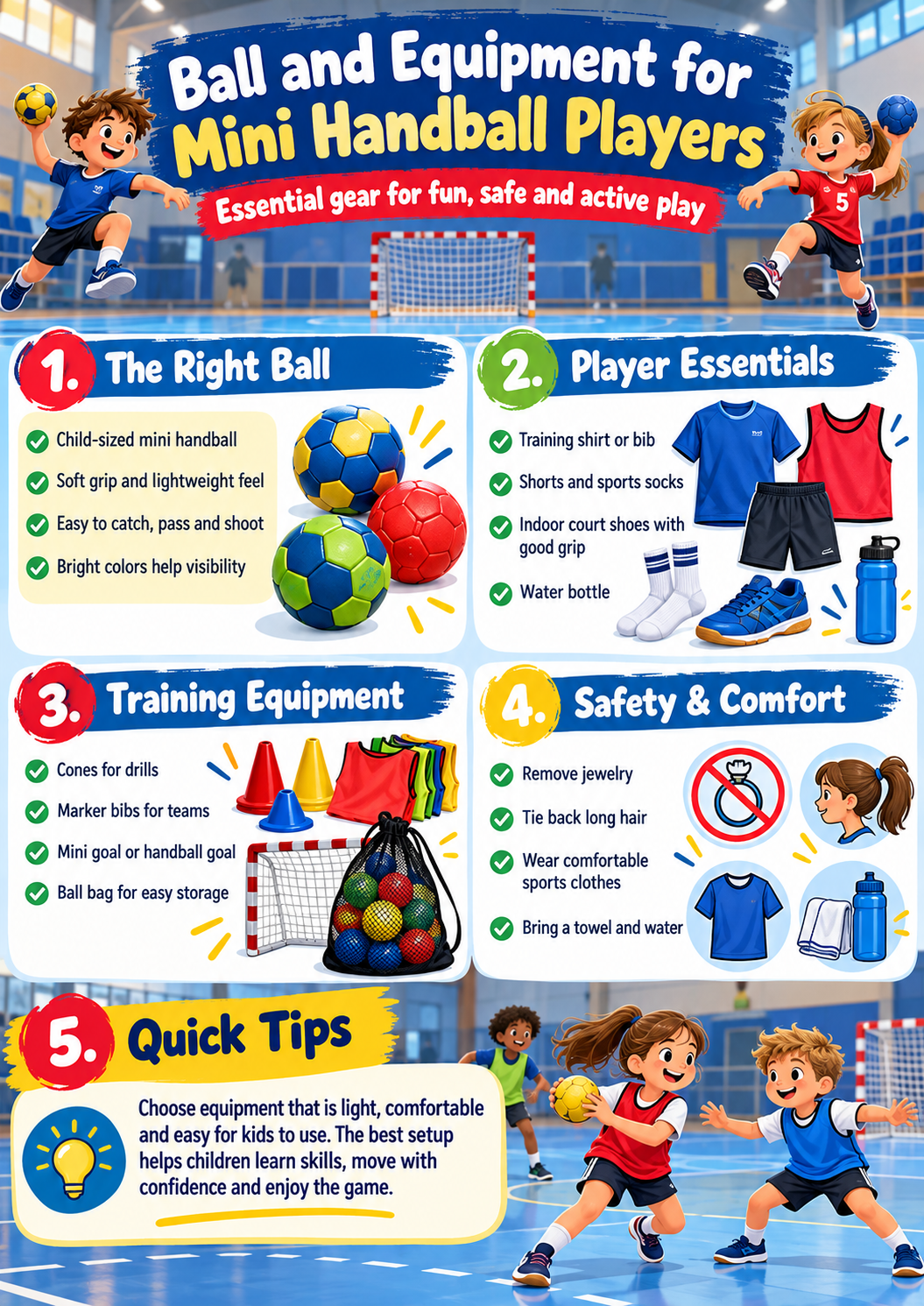
What is mini handball and why equipment matters?
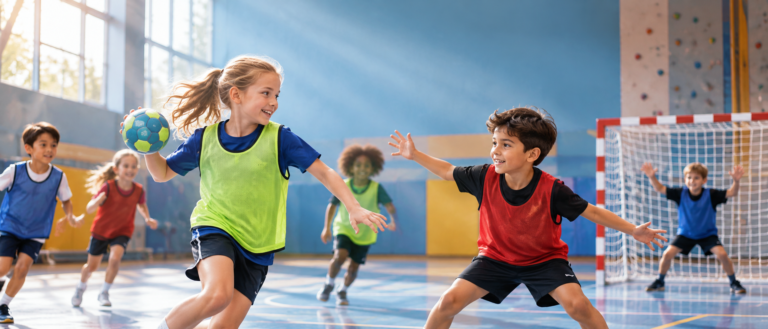
Mini handball is a modified version of traditional handball, specifically adapted for children, usually between the ages of 6 and 12. The rules, court size, goals, and especially the ball are simplified to match kids’ physical and motor development.
Using the wrong equipment – for example, a ball that is too heavy or too big – can cause:
- Poor throwing technique and bad habits
- Increased risk of injuries to fingers, wrists, and shoulders
- Fear of the ball and low confidence
- Less fun and more frustration
On the other hand, the right mini handball equipment helps kids:
- Develop correct passing and catching technique
- Improve hand-eye coordination and reaction time
- Build confidence through early success
- Stay motivated and enjoy training and matches
Key factors when choosing a mini handball ball
Not every ball labeled “kids” or “mini” is ideal for mini handball. Pay attention to these factors:
1. Size and circumference
Ball size should match the age and hand size of the players. For mini handball, smaller and lighter balls are mandatory. While exact recommendations can vary by federation, a simple guideline is:
| Age Group | Suggested Ball Size | Typical Circumference | Key Focus |
|---|---|---|---|
| 6-8 years | Mini / Size 0 | ~46-48 cm | Basic catching & fun |
| 8-10 years | Size 0-1 | ~48-50 cm | Passes & simple shots |
| 10-12 years | Size 1 (Girls & Boys) | ~50-52 cm | Stronger throws & tactics |
A good rule: the child should be able to grip the ball comfortably with one hand or at least with a firm two-handed grip without strain.
2. Weight
Lightweight balls are essential for young arms and shoulders. A ball that is too heavy encourages wrong throwing mechanics and can lead to overuse injuries.
- Choose the lightest version available for each size for players under 10.
- For beginners or very young kids, consider foam mini handball balls as a starting point.
3. Grip and surface material
Mini handball for kids is usually played without resin, so the surface must provide natural grip.
- Look for a soft, slightly textured synthetic surface for good grip.
- A ball that is too glossy or slippery will be hard for small hands to control.
- Some balls offer a “soft touch” layer that reduces fear of impact and improves catching.
4. Bounce and air pressure
Bounce should be consistent but not too high. Over-inflated balls become hard and difficult to handle.
- Inflate to the manufacturer’s recommended pressure, then test bounce on the court.
- For younger age groups, slightly lower pressure often makes the ball softer and easier to catch.
5. Durability and safety
Mini handball is fast and energetic. Balls hit walls, floors, and goals many times per session.
- Choose stitching or bonding designed for indoor court use.
- Foam or soft balls should have a robust outer skin that resists tearing.
- Always check that the ball is free from sharp seams or defects.
Types of balls for mini handball players
There is no one-size-fits-all solution. The best ball depends on age, level, and training goals.
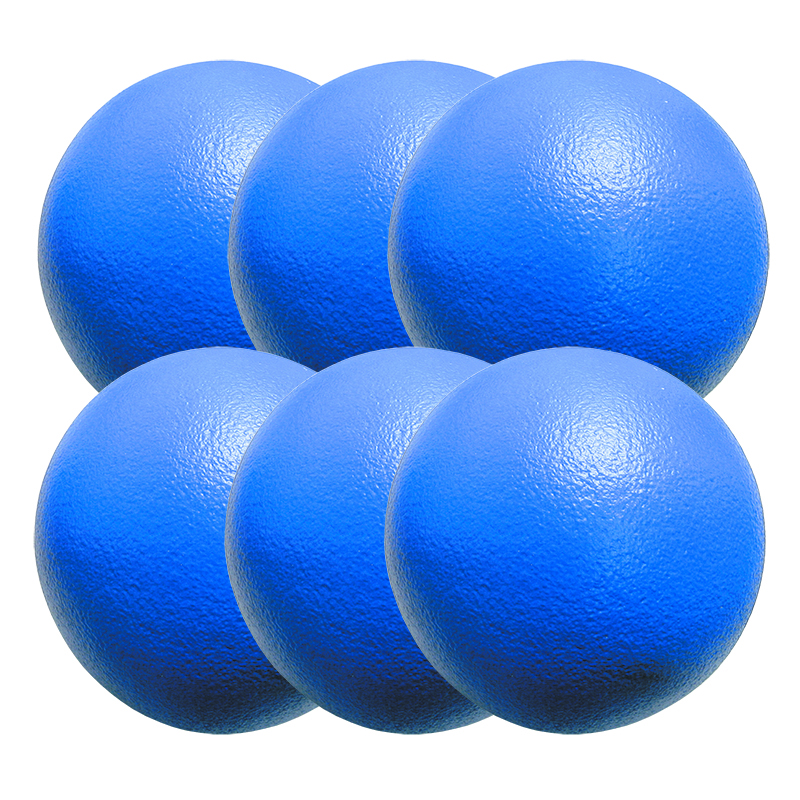
Soft foam balls
Best for: 6-8-year-olds, complete beginners, school PE, and fear reduction.
Foam mini handball balls are very light and soft, perfect for teaching basic throwing, catching, and spatial awareness.
- Reduce fear of being hit
- Encourage kids to attack the ball with their hands
- Ideal for introductory games and warm-ups
Soft synthetic training balls
Best for: 8-12-year-olds, club training, and early competition.
These balls combine a synthetic outer surface with a softer, forgiving feel.
- Good grip without resin
- Stable flight and bounce
- Suitable for passing drills, shooting practice, and match play
Match balls (Youth Sizes)
Best for: older mini handball age groups, advanced players, and official matches.
High-quality youth match balls follow federation specs for size and weight while still being manageable for younger players.
- Precise construction and consistent performance
- Good for developing accurate passing and shooting
- Often used from ages 10-12 as kids prepare for full handball rules
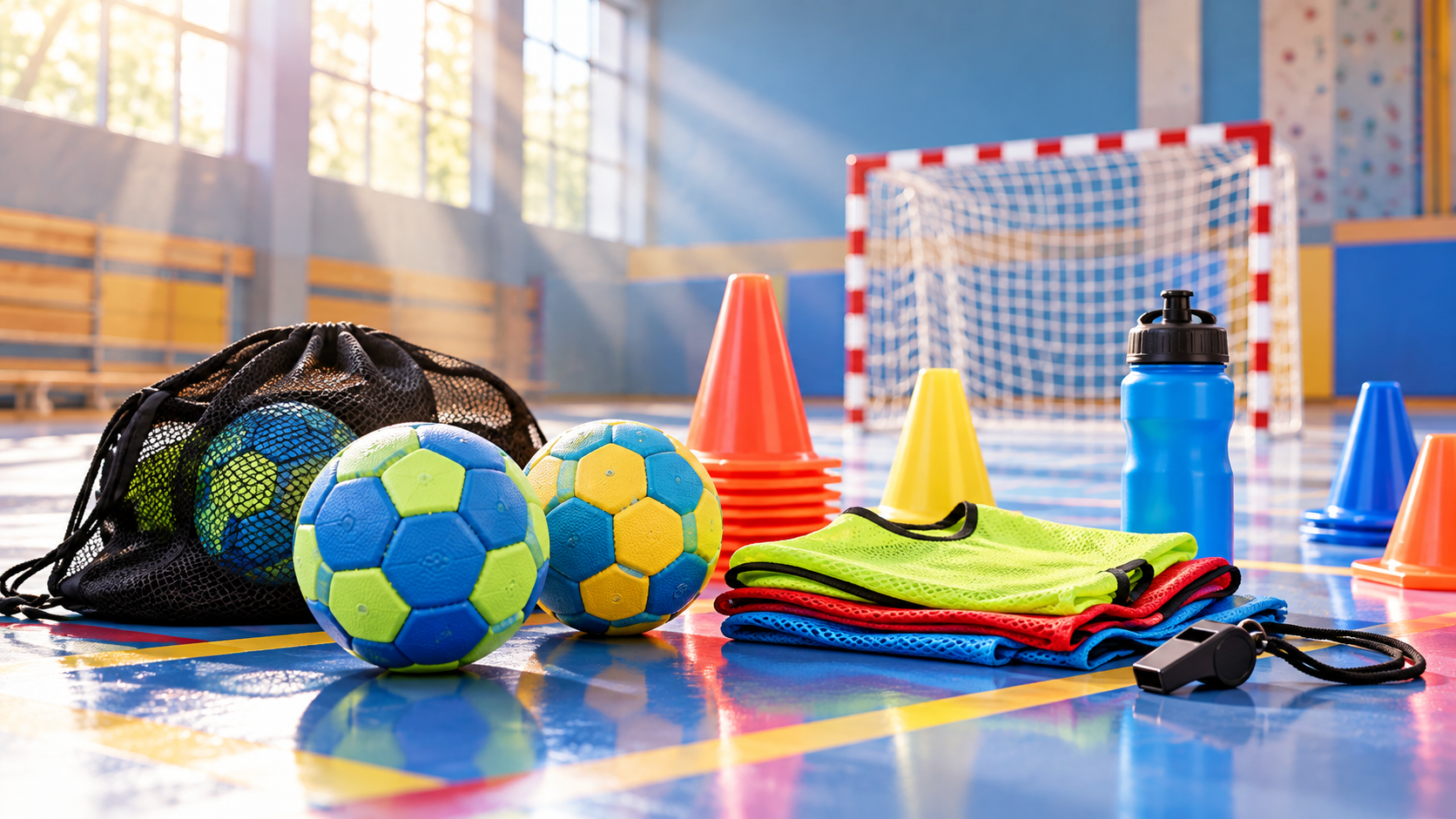
Other essential equipment for mini handball players
Choosing the right ball is important, but complete mini handball equipment goes beyond that. The right shoes, clothing, and protective gear will help kids play safely and confidently.
Indoor handball shoes
Proper footwear is a major factor in preventing injuries and improving agility.
- Non-marking rubber sole: Required on indoor courts and provides grip for quick changes of direction.
- Cushioning: Protects growing joints from repetitive impacts.
- Support: Stable heel cup and midfoot support help avoid ankle twists.
- Fit: Snug but not tight; allow a thumb’s width in front of the toes.
Comfortable sportswear
Kids should move freely and stay comfortable throughout practice and games.
- Lightweight, breathable T-shirt or jersey
- Shorts with an elastic waist for flexibility
- Sports socks that reduce friction and blisters
Basic protective gear
While mini handball is less physical than adult handball, contact and falls still happen.
- Knee pads: Excellent for beginners who fall often, especially on hard courts.
- Ankle supports: For kids with prior ankle twists or weak joints (use after consulting a professional).
- Mouthguard: Optional but useful in more competitive environments.
Mini handball goals and court markings
To create a true mini handball experience, adjust the playing environment as well.
- Use smaller goals for young players to increase shooting success.
- Mark reduced court dimensions with cones or tape for younger age groups.
- Soft or collapsible goals can improve safety in limited spaces (e.g., school gyms).
Recommended equipment sets by age group
| Age | Ball Type | Footwear | Extra Gear |
|---|---|---|---|
| 6-8 | Foam or soft mini ball (Size 0) | Basic indoor trainers | Knee pads, small goals |
| 8-10 | Soft synthetic Size 0-1 | Indoor court shoes | Light cones, soft markers |
| 10-12 | Youth match ball Size 1 | Handball / court shoes | Optional ankle support, match goals |
How to test if a ball is right for your mini handball player
Before buying several balls for a team, always test a sample with real players. Here are a few quick checks:
Hand fit test
- Ask the child to hold the ball with one hand on the side.
- If they can’t get their fingers around it at all, it’s probably too big.
- If they can almost control it with one hand or with a solid two-hand grip, the size is appropriate.
Catching & fear test
- Gently throw the ball to the child from a short distance.
- Watch for signs of fear, flinching, or turning away.
- If they are afraid to catch, start with a softer ball and progress later.
Bounce & flight test
- Let kids dribble, bounce, and pass the ball on the court.
- The ball should react predictably without flying away uncontrollably.
- Adjust the air pressure if the ball feels too hard or bouncy.
Practical tips: caring for mini handball balls and equipment
Proper care extends the life of your mini handball equipment and keeps it safe to use.
Ball maintenance
- Use a needle and pump designed for small valves.
- Do not over-inflate – follow the pressure printed on the ball.
- Wipe balls clean with a damp cloth after use, especially in dusty gyms.
- Store in a cool, dry place, not directly on hot radiators or in damp bags.
Shoe and clothing care
- Air shoes out after every session to prevent odor and bacteria.
- Wash sportswear regularly; avoid heavy fabric softeners that trap sweat.
- Check for worn soles or damaged stitching and replace when needed.
Safety checks before each session
- Inspect balls for cracks, tears, or deflation.
- Verify goals are stable and well anchored.
- Make sure court surface is clean and dry to avoid slips.
Benefits of using the right mini handball equipment
Investing time and a bit of budget in age-appropriate equipment has long-term benefits for your young players.
1. Faster skill development
Kids who can comfortably grip and control the ball learn to:
- Pass with better accuracy
- Catch under pressure
- Shoot with proper arm motion instead of “pushing” the ball
2. Reduced injury risk
Light balls and supportive shoes reduce stress on young muscles and joints, allowing more frequent training without overuse problems.
3. More fun and confidence
When children can throw, catch, and score, they naturally enjoy mini handball more. Early success increases:
- Confidence in their abilities
- Willingness to try new skills
- Long-term motivation to stay in the sport
Real-World example: Transitioning from foam to match balls
Here’s a simple progression many clubs and schools use when introducing mini handball equipment to new players:
- Week 1-4: Use foam mini handball balls only. Focus on fun games, throwing, and catching in small groups. Kids learn not to fear the ball.
- Week 4-8: Introduce soft synthetic Size 0 balls for some drills. Keep foam balls for warm-up and confidence-building games.
- After 2-3 months: For players around 8-10, start using Size 0-1 balls in simple match-like games. Still mix in softer balls for technical exercises.
- 10-12 years: Transition most training and matches to Size 1 youth balls, while keeping a few softer balls for special drills and shy or smaller players.
This gradual change respects each child’s development and ensures that equipment supports, rather than blocks, progress.
Checklist: What a mini handball player needs
Use this quick checklist to make sure your mini handball player is properly equipped:
- ✔ Age-appropriate mini handball ball (size and weight)
- ✔ Non-marking indoor court shoes with good grip
- ✔ Comfortable sportswear (T-shirt, shorts, socks)
- ✔ Optional knee pads and ankle support if needed
- ✔ Access to safe goals and a marked court area
- ✔ Ball pump and needle for correct inflation
Conclusion: Set young players up for success in mini handball
Choosing the right ball and equipment for mini handball players is one of the most effective ways to support their development in the sport. A well-sized, lightweight ball, quality indoor shoes, and simple protective gear can transform training sessions from chaotic and frustrating into fun, safe, and skill-building experiences.
When in doubt, always choose:
- Smaller and softer for younger kids
- Gradual progression to larger, firmer balls as skills grow
- Reliable, comfortable footwear and clothing
By paying attention to mini handball ball size, grip, and overall equipment quality, you’re not just buying gear – you’re investing in your players’ confidence, safety, and love for the game. With the right setup, mini handball becomes the perfect entry point into a lifetime of healthy, enjoyable handball.