Coaching mini handball is one of the most rewarding ways to introduce children to team sports. At this stage, the focus should be less on perfect technique and more on fun, confidence, and a love for being active. When kids are engaged and feel successful, they’ll keep coming back to training-and that’s where real development starts.
In this guide, you’ll find practical tips for coaching mini handball, strategies for keeping kids motivated, and simple ideas to build their confidence on and off the court. Whether you’re a new coach, a PE teacher, or a parent volunteer, these mini handball coaching tips will help you run sessions that kids truly enjoy.
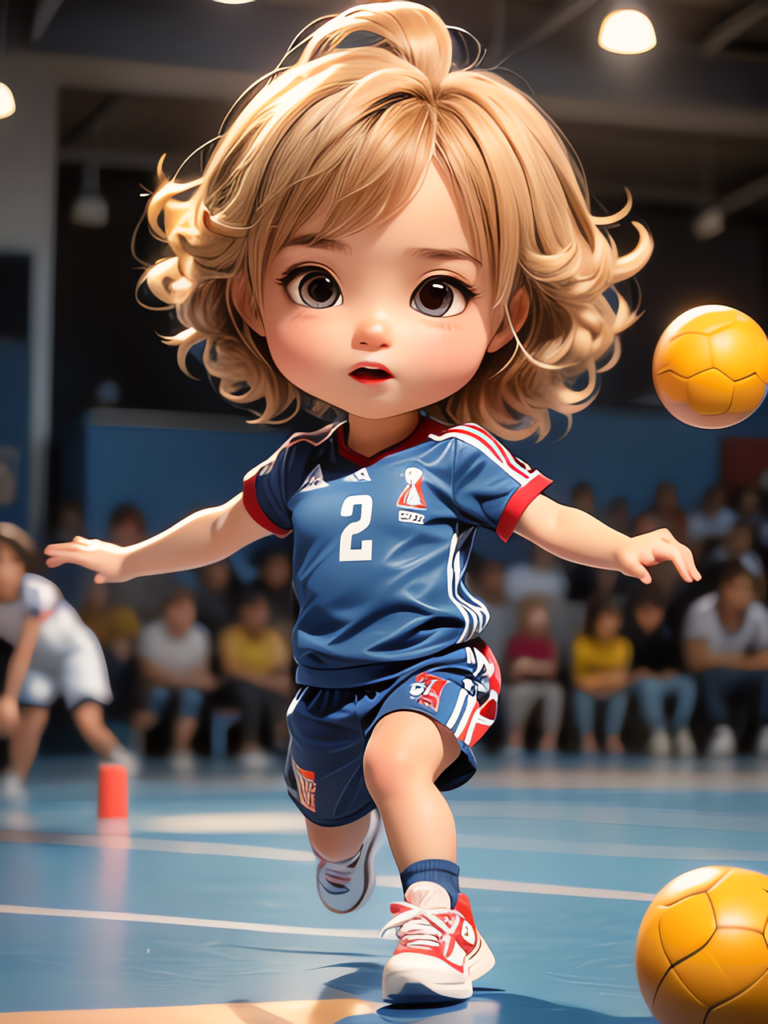
What Is Mini Handball and Why It Matters
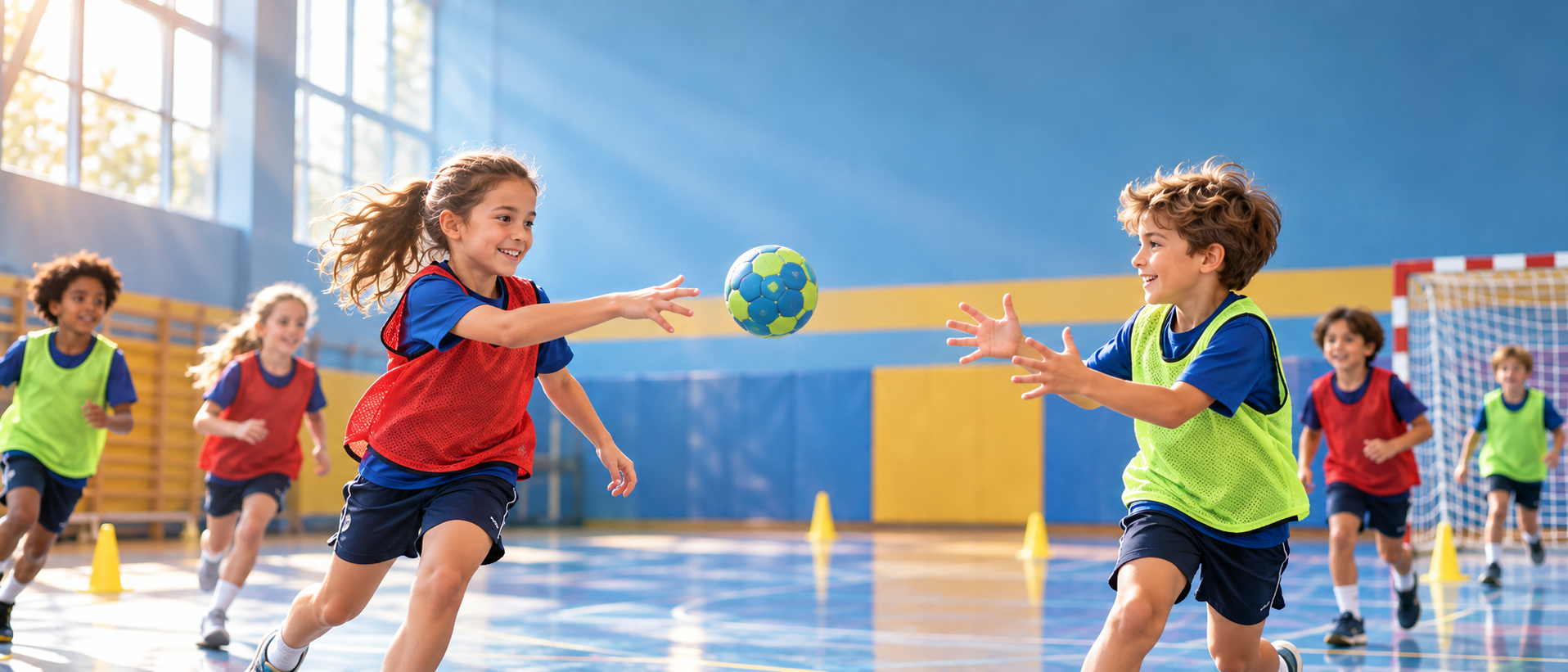
Mini handball (or kids’ handball) is a simplified version of traditional handball designed for younger players, usually between 6 and 11 years old. The rules are adapted to make the game safer, more accessible, and more enjoyable:
- Smaller court size
- Smaller and softer balls
- Reduced number of players
- Shorter game duration
- Simple and flexible rules
The main goal is not competition; it’s play, learning, and confidence-building. Children at this age are still developing basic motor skills, coordination, and social skills. A positive mini handball experience can improve:
- Physical fitness
- Teamwork and communication
- Self-esteem and resilience
- Love for lifelong physical activity
Core Principles of Coaching Mini Handball
Before you plan drills and games, it helps to keep a few core principles in mind. These will guide every practice session and help you keep kids engaged and confident.
1. Fun Comes First
If kids aren’t having fun, they won’t want to learn. Mini handball training should feel like play:
- Use lots of small games instead of long lectures.
- Include variety: throwing, catching, running, jumping, simple challenges.
- Celebrate effort, not just goals or wins.
2. Maximum Ball Contact
The more each child touches the ball, the faster they improve and the more involved they feel. Avoid lines where kids stand and wait. Instead:
- Use small-sided games (2v2, 3v3).
- Set up multiple stations with different activities.
- Use extra balls so there’s always something to do.
3. Positive Coaching Language
Your words shape how kids feel about themselves. Focus on constructive feedback:
- Replace “Don’t do that” with “Try it this way instead.”
- Praise specific actions: “Great quick pass!” or “Nice movement into space.”
- Highlight progress over perfection.
4. Age-Appropriate Expectations
Young children are still learning to coordinate their bodies and emotions. Keep expectations realistic:
- Short instructions (10-20 seconds max).
- Activities lasting 5-8 minutes before changing.
- Plenty of breaks for water and resetting attention.
Benefits of Mini Handball for Kids
Parents often want to know why they should choose mini handball over other sports. Here’s a quick overview you can even share with your team’s families.
| Benefit | What Kids Gain |
|---|---|
| Physical Skills | Coordination, balance, agility, strength |
| Social Skills | Teamwork, sharing, communication |
| Mental Skills | Focus, decision-making, creativity |
| Emotional Growth | Confidence, resilience, self-control |
| Fun & Enjoyment | Positive attitude toward sport and activity |
Practical Coaching Tips to Keep Kids Engaged
Engagement in mini handball is about energy, structure, and creativity. Use these practical tips to design training sessions that children look forward to every week.
1. Start Every Session with a High-Energy Warm-Up
Warm-ups should be playful, not boring. They prepare kids physically and mentally, while immediately grabbing their attention.
Ideas for mini handball warm-ups:
- Tag variations: freeze tag, cone tag (unfreeze teammates by touching a cone), shadow tag.
- Animal movements: bear walks, frog jumps, crab walks while dribbling or carrying the ball.
- Traffic lights: green = run, yellow = slow jog, red = stop and perform a handball move (jump shot without ball, pass in the air, etc.).
2. Use Small-Sided Games
Small-sided games are one of the best tools in mini handball coaching. They keep everyone moving and make it easier for kids to understand basic tactics.
- 2v2 or 3v3 games: More touches, more decisions, less pressure.
- Conditioned games: points for 3 passes in a row, or everyone must touch the ball before scoring.
- Zone games: divide the court into zones where players must move into space before receiving the ball.
3. Rotate Roles and Positions
Early specialization can reduce enjoyment and confidence. In mini handball, every child should try multiple roles:
- Everyone plays attack and defense.
- Rotate goalkeepers regularly.
- Encourage kids to switch sides and positions during games.
This not only keeps training interesting but also helps children understand the entire game, not just one position.
4. Keep Instructions Short and Simple
When coaching kids, your explanations should be:
- Short: 1-2 key points per drill.
- Clear: use simple language and demonstrations.
- Visual: show more, talk less.
After explaining, ask a quick question like, “Where do we run after passing?” to check understanding without a long speech.
5. Build Routines Kids Can Recognize
Children feel safer and more confident when they know what to expect. Consider a simple session structure like:
- 5-10 minutes: fun warm-up game
- 10-15 minutes: basic skill work (passing, catching, dribbling)
- 15-20 minutes: small-sided mini handball games
- 5 minutes: cool-down, review, positive feedback
Repeating this structure each week helps kids settle in quickly and mentally prepare for what’s coming next.
How to Build Confidence in Young Mini Handball Players
Confident kids take more risks, try new skills, and enjoy handball more. As a mini handball coach, you can actively shape their self-belief.
1. Focus on Effort, Not Results
Celebrate behaviors that players can control:
- Trying a new pass or shot
- Running back quickly in defense
- Encouraging a teammate
Use phrases like:
- “I love how hard you ran back to help in defense.”
- “Great effort trying that pass, keep experimenting.”
- “You didn’t give up even after missing, that’s real courage.”
2. Break Skills into Small Steps
Complex skills like jump shots or fast breaks can be overwhelming. Break them into simple parts:
- Start with standing throws, then add a step, then a small jump.
- Practice catching without defenders before adding pressure.
- Introduce one rule at a time in games.
Every successful step builds confidence and keeps frustration low.
3. Use “Success Zones” in Training
Create activities where every child can succeed, regardless of skill level:
- Shooting from closer distances so most kids score.
- Passing games where accuracy is easier than in full-speed play.
- Challenges that can be personalized (e.g., “Beat your own record of 5 catches in a row”).
4. Encourage Peer Support
Teammates can be powerful confidence boosters. Nurture a team culture where kids support each other:
- Ask them to clap for a teammate who tried something brave.
- Use pair work (older or more skilled kids helping younger ones).
- Model supportive language: “Let’s help each other get better.”
Fun and Simple Mini Handball Drills
Here are a few easy-to-implement mini handball drills designed to keep kids active, engaged, and smiling.
1. Passing Circle
Goal: Improve passing and catching in a low-pressure setting.
- Players stand in a circle.
- One ball starts; players pass across the circle, not next to them.
- Add more balls as they improve.
- Variation: shout the name of the player before passing to improve communication.
2. Traffic Dribble
Goal: Improve ball control and awareness.
- Scatter cones around the court.
- Each player dribbles a ball, moving between cones.
- Coach calls commands: “Stop,” “Change hand,” “Turn,” “Speed up.”
3. Numbers Game (Small-Sided)
Goal: Quick decision-making and movement.
- Divide kids into two teams, give each player a number.
- Throw the ball into the middle and shout a number (or two numbers).
- The players with that number race to the ball and play 1v1 or 2v2 to score.
- Rotate quickly so everyone gets several turns.
4. Shooting Lanes
Goal: Build shooting confidence.
- Set up 2-3 shooting lines with cones.
- Each child dribbles or runs with the ball to a cone, then shoots.
- Use soft balls and move the shooting spots closer for beginners.
- Encourage different shot types once they are comfortable.
Managing Group Dynamics and Behavior
Keeping kids engaged in mini handball is not only about drills; it’s also about managing the group with calm authority and kindness.
1. Set Clear, Simple Rules
At the first session, create 3-4 basic team rules together, such as:
- Listen when the whistle blows.
- Respect teammates and opponents.
- Try your best and have fun.
Write them on a poster or repeat them briefly at the start of practice. When problems arise, refer back to “our team rules” instead of making it personal.
2. Use Signals, Not Shouting
To keep attention without yelling:
- Use a whistle signal for “stop and listen.”
- Raise your hand as a visual cue; ask kids to copy you.
- Use countdowns (3-2-1) to transition between drills.
3. Involve Everyone
Engagement drops when kids feel invisible. Make sure each child:
- Hears their name with positive feedback each session.
- Gets equal playing time in games.
- Has chances to lead (e.g., leading a warm-up game, demonstrating a skill).
Simple Session Plan for Mini Handball Coaches
Use this sample plan as a starting point and adapt it to your group size and age.
| Time | Activity | Focus |
|---|---|---|
| 0-5 min | Welcome & quick briefing | Set tone, remind team rules |
| 5-15 min | Fun warm-up game (tag or traffic lights) | Movement, excitement |
| 15-30 min | Basic drills (passing circle, dribbling) | Core skills, lots of touches |
| 30-45 min | Small-sided games (2v2, 3v3) | Game sense, teamwork |
| 45-50 min | Cool-down & feedback circle | Reflection, confidence |
Working with Parents and Guardians
Parents play a big role in how children experience mini handball. When you involve them in a positive way, kids feel more supported and stay motivated.
- Communicate clearly: Share training times, goals, and simple updates.
- Explain the philosophy: Emphasize that fun and learning come before winning.
- Encourage support, not pressure: Ask parents to praise effort and sportsmanship after games.
- Invite them occasionally: “Parents vs kids” fun matches or open training days can build a strong community.
Common Mistakes in Mini Handball Coaching (and How to Avoid Them)
Even experienced coaches can fall into traps when switching to younger age groups. Here are a few mistakes to watch out for.
- Too much talking, not enough playing: Keep explanations short and get the ball moving quickly.
- Overemphasis on tactics: At mini level, focus on basic skills, enjoyment, and simple positioning.
- Focusing only on the best players: Make sure every child gets time, attention, and opportunities to shine.
- Using adult rules: Adapt contact, steps, and defending to keep games safe and flowing.
Conclusion: Creating a Positive Mini Handball Experience
Coaching mini handball is about much more than teaching kids how to pass and shoot. It’s about creating an environment where they feel safe, supported, and excited to move their bodies and be part of a team.
When you:
- Prioritize fun and engagement,
- Use small-sided games and plenty of ball contact,
- Focus on confidence and positive feedback, and
- Adapt your coaching to their age and abilities,
you’ll help children build skills that last a lifetime-on and off the handball court.
Whether you’re just starting your journey in coaching mini handball or looking to refresh your approach, the key is simple: keep kids engaged, keep them moving, and help them believe in themselves. The results will show not just in their handball skills, but in their smiles, friendships, and growing confidence every time they step onto the court.