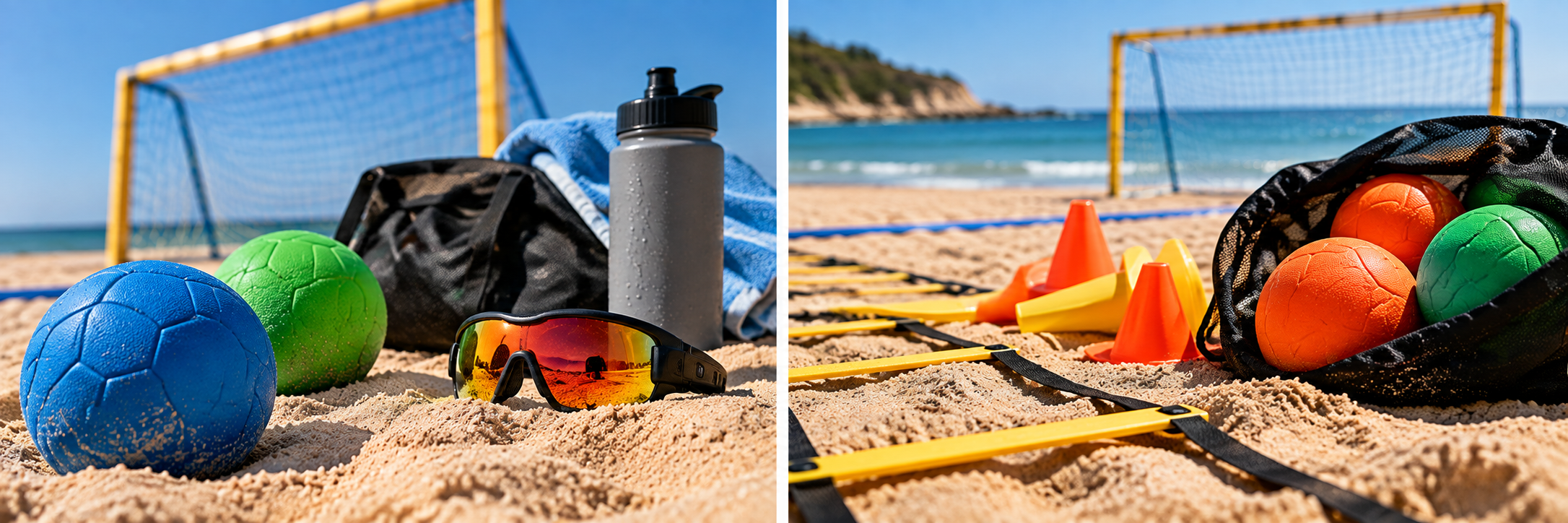
Beach handball is fast, acrobatic, and incredibly fun-but playing your best on sand requires the right equipment. Whether you’re a beginner or a seasoned player, choosing the proper beach handball balls, sand shoes, and apparel can dramatically improve your performance and comfort.
In this guide, you’ll learn exactly what gear you need for beach handball, how to choose it, and what to look for in terms of quality, safety, and value. We’ll also cover some practical tips for caring for your equipment so it lasts through an entire season on the sand.
Why the Right Beach Handball Gear Matters
Beach handball is not just indoor handball moved outside. The sand, the heat, and the constant diving and jumping add unique demands on your body and your equipment. Using specialized beach handball gear offers several advantages:
- Better ball control: Beach handball balls are designed for grip with sweaty or sandy hands.
- Improved safety: Sand shoes, knee pads, and padded apparel reduce burns, cuts, and impact injuries.
- Enhanced performance: Lightweight, quick-drying clothing keeps you cool and fast on the sand.
- Longer gear life: Gear made for sun, salt, and sand is more durable than regular indoor equipment.
Let’s break down the essential gear you need for beach handball, starting with the most important piece: the ball.
Beach Handball Balls: Grip, Size, and Feel
The ball is at the heart of the game. Official beach handball balls differ from indoor balls in both material and size. They’re usually made of soft, non-slip rubber with a textured surface to ensure a secure grip, even when your hands are wet or sandy.
Key Features of a Beach Handball Ball
- Material: Soft, non-abrasive rubber that won’t hurt when catching or shooting barefoot.
- Surface texture: Deep enough to improve grip but smooth enough to prevent skin irritation.
- Weight: Light enough for quick spins and aerial shots, but heavy enough for accurate passing.
- Color: Bright neon or contrasting colors for high visibility in strong sunlight.
Ball Sizes for Beach Handball
Beach handball uses different ball sizes for men, women, and youth categories. While these may vary slightly by federation, a simplified reference guide is:
| Category | Size | Approx. Circumference | Suggested Age |
|---|---|---|---|
| Men | Size 3 | ~54-56 cm | 16+ years |
| Women | Size 2 | ~50-52 cm | 14+ years |
| Youth | Size 1 | ~46-48 cm | 10-14 years |
How to Choose the Best Beach Handball Ball
When shopping for a beach handball ball, consider:
- Official approval: Balls approved by IHF or your national federation usually meet size and grip standards.
- Grip with wet hands: Wet your hands and test the ball. It should feel secure without slipping.
- Softness: For beginners and youth players, a softer ball reduces fear of catching and increases confidence.
- Durability on sand: Check that the rubber surface doesn’t peel or crack when exposed to sun and salt.
Tip: Always keep at least two balls for training and warm-ups to maintain game rhythm and minimize downtime.
Sand Shoes for Beach Handball: Protect Your Feet
One of the biggest questions new players have is whether to play barefoot or with beach handball sand shoes. Barefoot is common, but sand shoes (also called sand socks or neoprene socks) offer significant advantages, especially on hot, rough, or shell-covered beaches.
Benefits of Wearing Sand Shoes
- Heat protection: Prevents burns from hot sand during intense midday games.
- Cut and abrasion prevention: Shields your feet from shells, stones, and hidden objects.
- Extra grip: Helps with quick changes of direction and jumping in soft or uneven sand.
- Hygiene and comfort: Reduces friction and blisters, especially during long tournaments.
Types of Sand Shoes for Beach Sports
Most sand shoes used in beach handball come from the wider world of beach volleyball and water sports. The two main types are:
- Neoprene sand socks: Thin, flexible, with rubberized soles for traction.
- Hybrid beach shoes: A bit thicker, often with more structured soles and better arch support.
| Type | Best For | Key Advantage |
|---|---|---|
| Neoprene Socks | Fast, agile play | Maximum flexibility |
| Hybrid Shoes | Rough or rocky sand | Extra protection |
How to Choose the Right Sand Shoes
Consider these criteria when choosing sand shoes for beach handball:
- Fit: Snug, like a second skin, but not restrictive. They should not move around during sprints.
- Sole thickness: Thinner soles = better feel and agility; thicker soles = better protection.
- Breathability: Perforated panels and quick-drying materials keep your feet cool.
- Durability: Reinforced toes and heels resist tearing during slides and dives.
Pro tip: Try your sand shoes on with slightly damp feet and walk on sand if possible. This gives a more realistic feel than testing them on a hard floor.
Beach Handball Apparel: Stay Cool, Light, and Protected
Beach handball apparel needs to support quick movement, intense heat, and frequent contact with sand. From tops and shorts to protective gear, your outfit can significantly impact your comfort and performance.
Essential Beach Handball Clothing
- Lightweight tops: Sleeveless jerseys or sports bras for women; breathable singlets for men. Look for moisture-wicking fabrics.
- Shorts or bikini bottoms: Stretchy, quick-drying materials that don’t hold sand or water.
- Compression wear (optional): Tight-fitting compression shorts or tops can reduce muscle fatigue and help manage sand friction.
Fabric and Fit for Beach Handball Clothing
What makes clothing truly “beach ready”?
- Quick-drying fibers: Polyester and elastane blends are ideal for sweat and sea water.
- Four-way stretch: Allows full range of motion for spins, jumps, and dives.
- Flatlock seams: Minimizes chafing against sandy skin.
- UV protection: Many high-quality beach jerseys offer built-in UPF protection.
Protective Apparel and Accessories
Beyond basic clothing, a few key pieces of protective gear make a big difference:
- Knee pads and elbow pads: Thin, flexible pads specifically designed for sand reduce impact when diving.
- Light compression sleeves: Protect elbows and knees from scrapes without overheating.
- Sports sunglasses: Polarized, secure-fit glasses improve visibility in bright sun.
- Cap or visor: Keeps sweat and sun out of your eyes during long tournaments.
Optional but Useful Beach Handball Gear
Once you’ve covered the basics-ball, sand shoes, and apparel-consider these optional items to build a complete beach handball kit.
- Large sports towel: To clean your hands and remove excess sand before handling the ball.
- Gear bag with ventilation: Prevents moisture build-up and bad odors in shoes and apparel.
- Water-resistant sunscreen: Essential for long days under direct sun.
- Reusable water bottle: Staying hydrated is crucial on hot sand courts.
- Portable shade or umbrella: Helpful for rest intervals between matches.
How to Care for Your Beach Handball Gear
Sand, sweat, salt, and sun can quickly wear down your gear if you don’t maintain it. Proper care extends the life of your beach handball equipment and keeps it performing at its best.
Ball Maintenance
- Rinse your ball with fresh water after playing near the sea.
- Dry it with a towel and store it in a cool, shaded place.
- Avoid prolonged exposure to direct sunlight when not in use.
- Check air pressure regularly and avoid overinflation.
Sand Shoes and Apparel Care
- Rinse sand shoes in fresh water and let them air dry completely.
- Do not leave shoes or apparel in a sealed, hot car trunk-this damages materials.
- Wash jerseys and shorts in cold water with mild detergent; avoid fabric softeners, which can affect breathability.
- Shake out as much sand as possible before putting items in the washing machine.
Beginner Tips: Building Your First Beach Handball Kit
If you’re just starting, it can be tempting to buy everything at once. Instead, prioritize key items and add more specialized gear later. Here’s a simple approach:
- Start with essentials: 1-2 official beach handball balls, 1 pair of sand shoes, a breathable top, and shorts.
- Add protection: Knee pads and sunscreen after your first few sessions.
- Upgrade as you progress: Compression gear, higher-end balls, and multiple sets of apparel for tournaments.
To keep costs under control, look for multi-piece bundles or off-season sales for beach sports gear. Many brands that specialize in beach volleyball or beach soccer offer products that work perfectly for beach handball as well.
Practical On-Court Gear Tips
- Always have a backup ball: In tournaments, a spare ball avoids delays if one gets damaged.
- Rotate sand shoes: If you play often, having two pairs lets one dry fully while you use the other.
- Test gear in training first: Never wear brand-new shoes or apparel for the first time in a big game.
- Label your gear: In team environments, many balls and shoes look similar-add your initials.
Quick Comparison: Indoor vs Beach Handball Gear
If you come from indoor handball, here’s how your gear changes on sand:
| Item | Indoor Handball | Beach Handball |
|---|---|---|
| Ball | Leather/composite, heavier | Soft rubber, textured, lighter |
| Footwear | Indoor court shoes | Sand shoes or barefoot |
| Apparel | Heavier jerseys and shorts | Minimal, quick-drying clothing |
| Protection | Thicker pads for hard floors | Flexible pads for sand dives |
Conclusion: Gear Up and Enjoy the Sand
Playing beach handball is all about creativity, speed, and fun-but having the right gear makes a huge difference. A well-chosen beach handball ball, good-fitting sand shoes, and lightweight, protective apparel will help you move freely, avoid injury, and stay comfortable from the first whistle to the final shootout.
To recap, focus on:
- Beach handball balls with excellent grip, proper size, and durable rubber surfaces.
- Sand shoes that protect your feet from heat and sharp objects while maintaining agility.
- Breathable apparel and protective accessories that support movement and shield you from the elements.
Investing in quality beach handball gear isn’t just about looking professional-it’s about playing better, staying safer, and maximizing your enjoyment every time you step onto the sand. Grab your ball, slip on your sand shoes, and get ready for your next match on the beach.