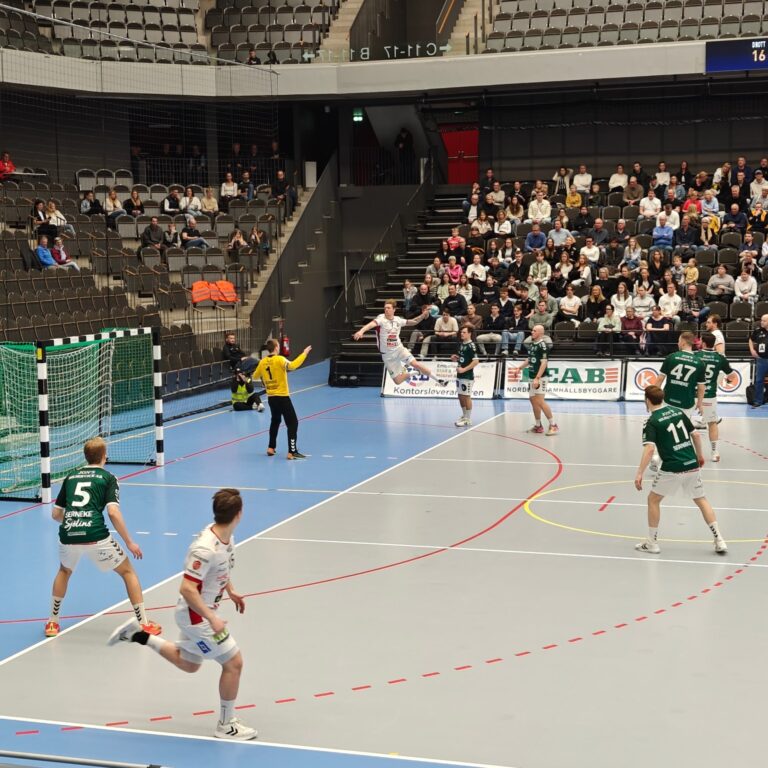

Mental preparation in handball is just as important as technical skills, physical conditioning, and tactical awareness. Whether you’re a backcourt shooter, a goalkeeper, or a wing player, your mindset will often decide if you execute under pressure or collapse in key moments. In this guide, we’ll explore how to build focus and confidence in handball training with practical tools, routines, and mindset shifts that you can start using today.
Why Mental Preparation Matters in Handball
Handball is a fast, intense, and physically demanding sport. Matches are full of:
- High-pressure shots in the final minutes
- Fast transitions from attack to defense
- Frequent physical contact and emotional swings
- Rapid decision-making in tight spaces
Without solid mental preparation, even highly skilled players can:
- Lose focus after a mistake
- Struggle with fear of failure during important games
- Get overwhelmed by crowd noise or coaching pressure
- Underperform despite excellent training sessions
By training your mind as consistently as you train your body, you can:
- Stay focused for 60+ minutes
- Recover quickly from errors and missed shots
- Play with calm confidence in key moments
- Support your teammates mentally and emotionally
Key Elements of Mental Preparation in Handball
Mental preparation in handball is not one single technique. It’s a combination of skills that you build over time. The main elements include:
- Focus and concentration
- Confidence and self-belief
- Emotional control under pressure
- Goal setting and motivation
- Game routines and mental habits
Let’s break these down and see how you can train each one in your daily handball practice.
Building Laser-Sharp Focus in Handball Training
1. Use “Focus Blocks” in Every Session
Instead of treating mental focus as something that “just happens,” train it intentionally. During your handball training, create 5-10 minute focus blocks where you:
- Eliminate all talking unless it’s tactical
- Lock in on one specific objective (e.g., perfect shot preparation or defensive footwork)
- Restart the drill if the concentration drops
This teaches your brain what full concentration feels like and makes it easier to access during games.
2. Practice “Reset Routines” After Mistakes
In handball, mistakes are inevitable: missed shots, technical errors, defensive misreads. What separates top players is how quickly they reset their focus. Use a simple, consistent reset routine such as:
- Physical cue: Clap your hands, tap your thigh, or adjust your wristband.
- Breath: One slow, deep breath (4 seconds in, 4 seconds out).
- Thought: Short phrase like “Next ball” or “New action.”
Repeat this in training after every clear mistake. Over time, your brain will automatically link mistakes with recovery, not frustration.
3. Train “Game-Like” Focus, Not Just Technique
To improve focus in handball, drills must simulate pressure and decision-making. For example:
- Time-limited attack drills (e.g., “score in under 10 seconds”)
- Defensive drills with surprise elements (e.g., coach calling out last-second tactical changes)
- Shooting drills where missed shots have small consequences (e.g., extra sprints)
This conditions your attention to stay sharp in dynamic and stressful situations, similar to real match play.
Building Confidence in Handball Training
Confidence in handball doesn’t come from hoping you’ll play well. It comes from evidence and mental habits that reinforce your belief in your abilities.
1. Create a “Confidence Log” After Training
At the end of each session, spend 3-5 minutes writing down:
- Three things you did well (technical, tactical, mental, or effort-based)
- One thing to improve (without self-criticism, just clarity)
This simple reflection helps your brain store proof of progress, which becomes the foundation of long-term confidence.
2. Use Success-Focused Visualization
Visualization is a powerful mental training tool in handball. Before or after training:
- Close your eyes for 3-5 minutes
- Imagine yourself executing specific actions with success:
- Scoring from the wing despite a tight angle
- Saving a 7-meter shot as a goalkeeper
- Winning a one-on-one duel in defense
- Include details: crowd noise, ball feeling, floor, your breathing and emotions
Your brain processes vivid visualization in a way that is similar to real experience, reinforcing your confidence for future situations.
3. Build Confidence Through Role Clarity
One of the fastest ways to damage confidence is not knowing your role on the team. Talk with your coach and clarify:
- Your primary responsibilities (e.g., “drive the attack from the center” or “organize defense as a pivot”)
- What success looks like in your position
- How you are expected to respond after mistakes
Clear expectations remove mental noise and make it easier to play with conviction.
Pre-Training and Pre-Game Routines for Mental Preparation
Structured routines are a cornerstone of mental preparation in handball. They create stability and calm, especially before intense training or matches.
Sample Pre-Training Mental Routine (10-15 Minutes)
| Time | Activity | Mental Goal |
|---|---|---|
| 3 min | Light breathing or stretching | Calm body and mind |
| 4 min | Review today’s main goal | Clear training focus |
| 3-4 min | Short visualization (2-3 key actions) | Build confidence |
| 2-3 min | Positive self-talk or mantra | Boost energy and belief |
You don’t have to follow this exact routine. The key is consistency. Use the same or similar mental preparation steps before every training and game to signal your brain, “It’s time to perform.”
Powerful Self-Talk Phrases for Handball Players
- “Next action, best action.”
- “I play with courage, not fear.”
- “I trust my training.”
- “I respond, I don’t react.”
Repeat your chosen phrase quietly during warm-up, time-outs, or after mistakes to anchor your mindset.
Goal Setting for Handball: Mental and Physical Combined
Effective goal setting is a big part of mental preparation in handball. It helps turn vague intentions into clear, measurable progress.
Use a Simple 3-Level Goal System
| Goal Type | Example in Handball | Purpose |
|---|---|---|
| Season Goal | Become starting left back / improve shot % by 10% | Long-term direction |
| Monthly Goal | Train 3× weekly + 2 extra shooting sessions | Medium-term structure |
| Session Goal | Focus on fast defensive transitions | Daily concentration |
Write your goals somewhere visible in your locker, notebook, or phone. Check them weekly and adjust if needed.
Emotional Control: Staying Calm Under Pressure
Handball can quickly become emotional: referees’ calls, rough contact, missed chances. Learning to manage your emotional responses is crucial for maintaining performance.
Breathing Techniques for In-Game Calm
When you feel stress rising during training or matches, try this quick method:
- Inhale through your nose for 4 seconds.
- Hold your breath for 2 seconds.
- Exhale through your mouth for 6 seconds.
- Repeat 2-3 times during a break, timeout, or while walking back on defense.
This slows down your heart rate and gives you just enough space to choose a calmer response.
Reframing Pressure Situations
Instead of thinking:
- “I can’t miss this shot.”
- “If I fail, everyone will be disappointed.”
Train your mind to think:
- “This is an opportunity to help my team.”
- “I’ve done this many times in training.”
- “No matter the result, I give my best.”
Reframing doesn’t remove pressure completely, but it makes it more manageable and productive.
Case Study: How Mental Training Transformed a Handball Player
Let’s look at a realistic example of mental preparation in handball.
The Situation
“Lukas,” a 19-year-old right back, had:
- Strong shot power and good physical fitness
- But poor confidence in tight matches
- Tendency to disappear in the last 10 minutes of games
The Mental Training Approach (8 Weeks)
- Week 1-2: Started a confidence log after each session; focused on one positive action per training.
- Week 3-4: Introduced a pre-game routine:
- 5 minutes of visualization (two successful breakthroughs, one long-distance goal)
- Repeat mantra: “Attack with courage.”
- Week 5-6: Implemented reset routine after missed shots (deep breath + “Next ball”).
- Week 7-8: Practiced with pressure drills: last-minute shots, score required, teammates watching.
The Results
| Metric | Before | After 8 Weeks |
|---|---|---|
| Shot % in last 10 min | 38% | 55% |
| Reported anxiety (1-10) | 8 | 4 |
| Coach rating of focus | “Inconsistent” | “Reliable under pressure” |
Nothing “magical” happened. Lukas simply applied consistent mental preparation in handball training – and that consistency changed how he played when it mattered most.
Practical Mental Training Drills for Handball
Here are a few easy-to-implement mental training drills you can add to your sessions straight away.
Drill 1: Pressure Penalties
- Setup: 3-5 players practice 7-meter throws.
- Rule: Each player gets 1 shot only; team must hit a target percentage (e.g., 4 out of 5).
- Mental focus: Pre-shot routine, emotion control, and focus under “all-eyes-on-you” pressure.
Drill 2: Mistake → Reset Sprint
- Setup: Small-sided game (3v3 or 4v4).
- Rule: After a clear mistake (missed catch, poor pass), the player must:
- Do a 5-meter sprint
- Immediately rejoin play using a reset routine
- Mental focus: Quick reset, no time for overthinking.
Drill 3: One-Word Focus Games
- Setup: Standard team game or scrimmage.
- Rule: Each player chooses one focus word for the game (e.g., “speed,” “balance,” “vision”).
- Mental focus: Players must stay aligned with one mental objective, reviewing after the game how well they kept it.
Coaches’ Role in Mental Preparation in Handball
Coaches have a huge influence on the mental environment of their team. Here are some coaching tips to support focus and confidence in handball:
- Model calm behavior: Players mirror their coach’s reactions under pressure.
- Normalize mistakes: Frame errors as part of learning, not as identity failures.
- Ask mental questions: “What were you thinking before that shot?” or “How did you reset after that mistake?”
- Include mental goals in planning: Don’t just set tactical and physical goals; add a mental objective to every session.
Simple Daily Habits to Support Mental Strength
You don’t always need long sessions with a sports psychologist. Daily habits can create a strong mental foundation for handball performance:
- Sleep: Prioritize 7-9 hours. Tired players struggle with focus and emotion control.
- Nutrition and hydration: Stable energy = stable emotions and better decisions.
- Screen limits before games: Reduce social media 1-2 hours before matches to avoid distractions and comparisons.
- Journaling: Write 3 short lines after training or games: “What went well? What did I learn? What’s next?”
Conclusion: Make Mental Preparation Part of Your Handball Routine
Mental preparation in handball is not a luxury reserved for professionals. It’s a practical, trainable part of performance that every player and coach can work on daily. By building focus and confidence in training – through routines, visualization, goal setting, and emotional control – you prepare yourself to perform when pressure is highest.
Start small:
- Add a 5-minute visualization before training
- Use a reset routine after every mistake
- Write down three positives after each session
Over time, these simple habits will transform not just how you play, but how you feel on the court: more focused, more confident, and more in control of your handball journey.