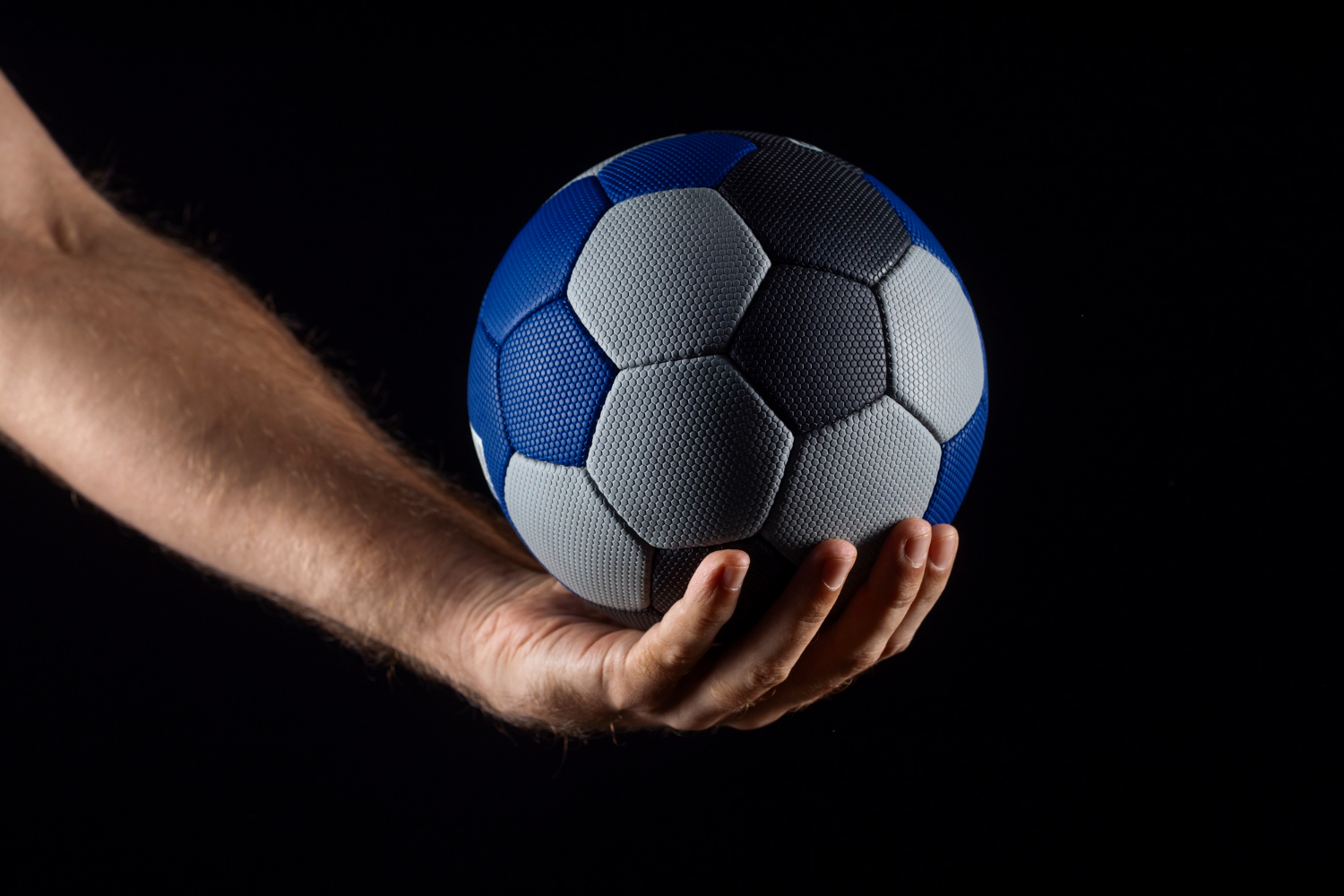
Picking the right handball is more important than many players realize. The size, grip, and material of a handball can completely change how you catch, pass, and shoot. Whether you’re a beginner buying your first ball or a coach looking to equip a whole team, understanding these factors will help you choose a handball that fits your level, style, and budget.
In this guide, we’ll walk through everything you need to know about choosing the right handball, including:
- Handball sizes for different ages and genders
- How grip and surface texture affect control
- Different handball materials and what they mean in practice
- Indoor vs outdoor handballs
- Practical tips for care, durability, and performance
By the end, you’ll know exactly what to look for when buying your next handball and how to match the ball to your game.
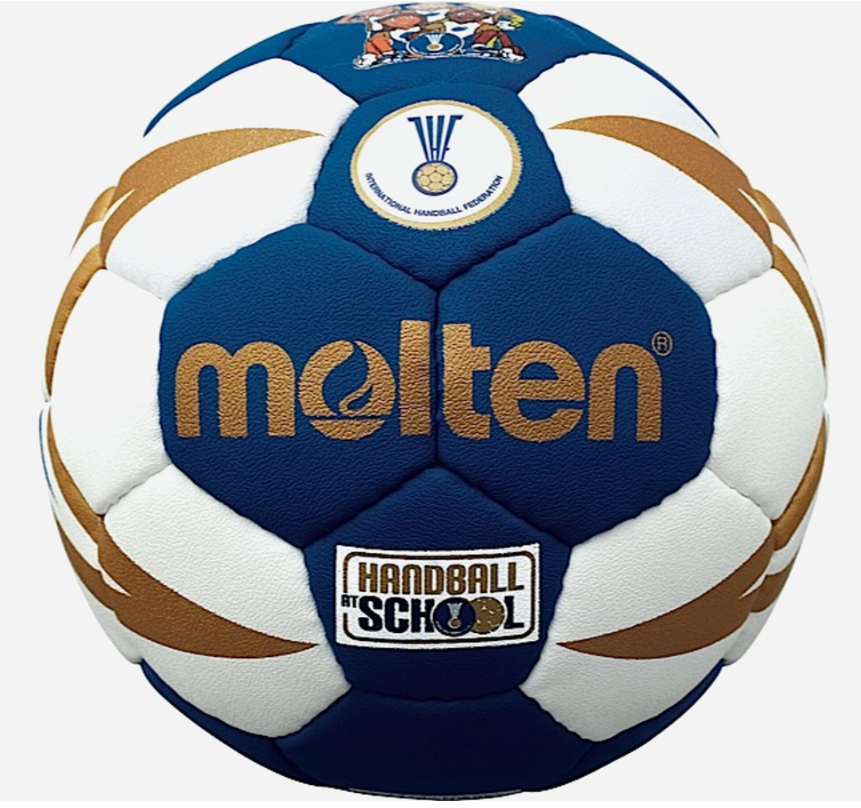
Why Choosing the Right Handball Matters
The right handball can improve your game in three key ways:
- Better control: A ball that fits your hand size and has the right grip makes passing, catching, and dribbling easier and safer.
- More accuracy: Correct weight and material give you more predictable bounces and more precise shots.
- Less strain and injury risk: Using a ball that’s too big or too heavy can stress wrists, fingers, and shoulders, especially in young players.
Handball balls are not “one-size-fits-all.” International rules (IHF – International Handball Federation) define different sizes and weights for youth, women, and men. On top of that, brands use different materials and surface designs to optimize grip and durability.
Handball Sizes Explained: Find the Perfect Fit
The first step in choosing the right handball is selecting the correct handball size. Size affects how securely you can hold the ball and how well you can control it during fast plays.
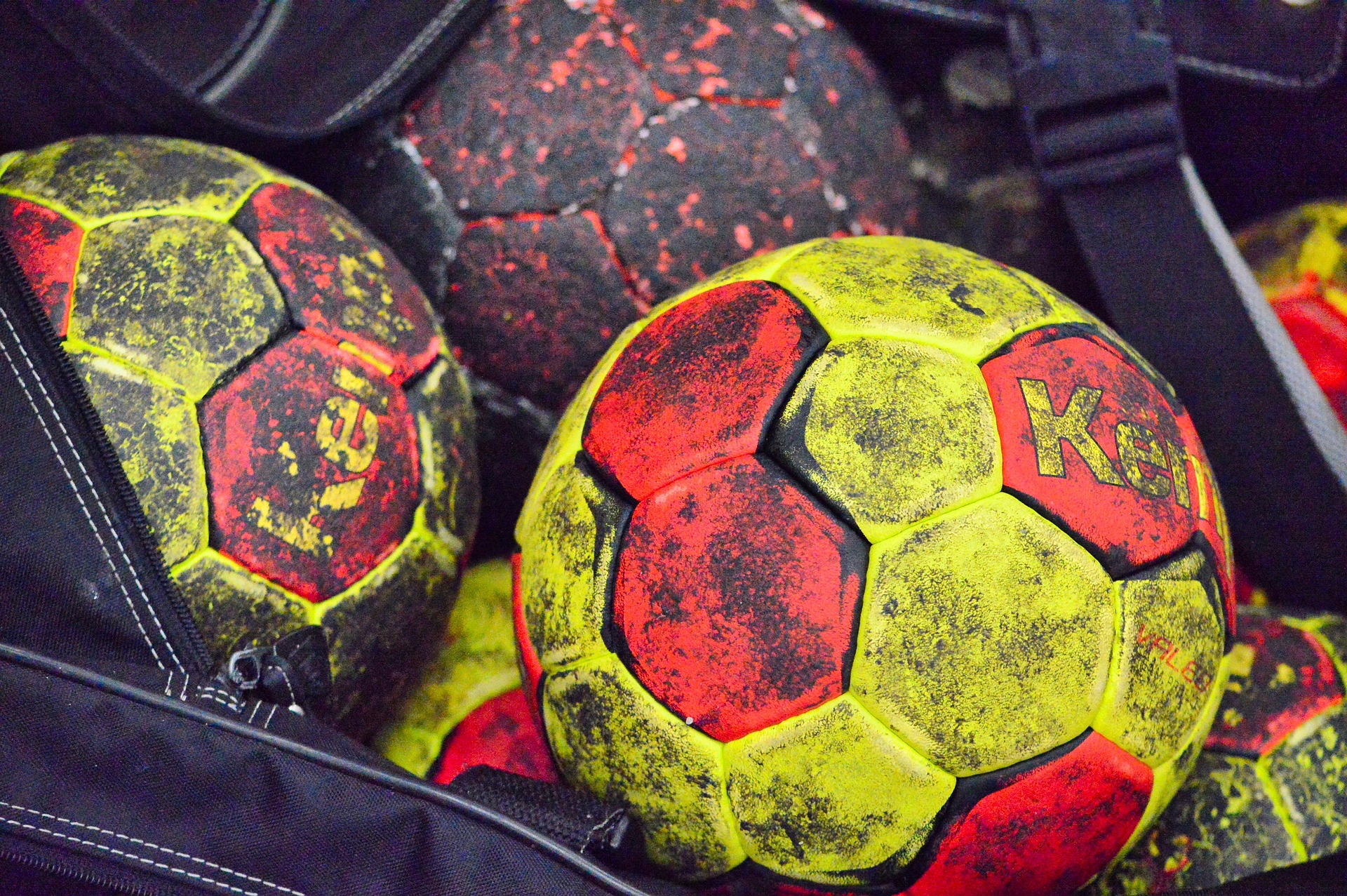
Official Handball Size Chart
Most manufacturers follow IHF standards. Here’s a quick overview:
| Handball Size | Age / Category | Circumference | Weight |
|---|---|---|---|
| Size 0 | Mini handball, kids under ~8 | ~46-48 cm | ~200-250 g |
| Size 1 | Boys & girls 8-12 years | ~50-52 cm | ~290-330 g |
| Size 2 | Women & girls 13+ / boys 12-16 | ~54-56 cm | ~325-375 g |
| Size 3 | Men & boys 16+ | ~58-60 cm | ~425-475 g |
How to Choose the Right Handball Size
Use the chart above as a starting point, then consider:
- Hand size: If players struggle to palm or control the ball, drop down a size, especially for beginners.
- Skill level: For training younger or new players, a slightly smaller, lighter ball can build confidence and reduce fear of catching.
- Competition rules: If you play in a league, always check official regulations. Many competitions require a specific size for each age group.
Quick rule of thumb: The player should be able to comfortably hold and control the ball in one hand without overstretching the fingers. If they can’t, the ball is too big.
Grip in Handball: Why It’s a Game-Changer
The grip of a handball is crucial for high-speed play. Good grip means you can fake, pass, and shoot with confidence, even under pressure. Grip is influenced by three main factors:
- Surface texture
- Material quality
- Use of resin (glue) or resin-free technology
Surface Texture and Panel Design
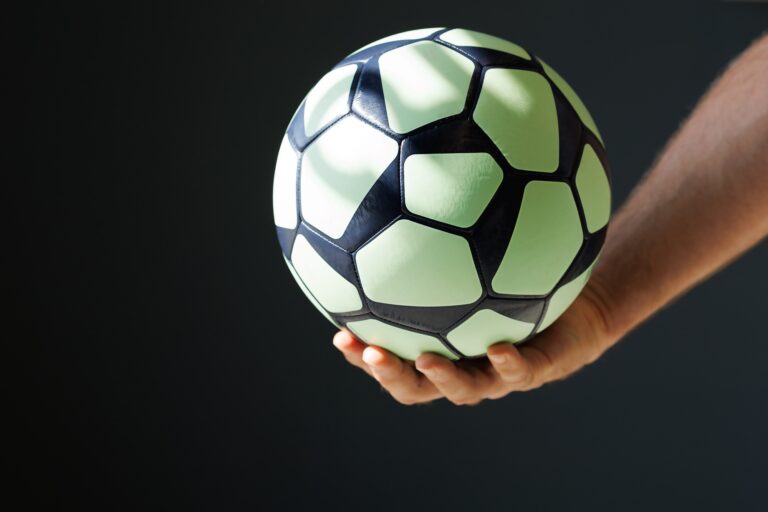
Look closely at a modern handball and you’ll see it has a pattern of panels and textures. This isn’t just for looks; it affects how the ball feels in your hand.
- Deep embossing / pronounced texture: Offers excellent grip, especially useful without resin and for youth players.
- Smoother surface: Often designed for resin use, giving a very sticky feel when used with approved adhesives.
- Number and shape of panels: More panels usually mean a rounder shape and more consistent bounce.
Resin vs Resin-Free Handballs
Traditionally, handball players use resin (glue) to improve grip. However, many modern sports halls and leagues are moving towards resin-free handball due to cleaning and maintenance issues.
- Resin balls:
- Optimized for use with resin.
- Great for high-level play and powerful shots.
- Require regular cleaning and can leave marks on the floor.
- Resin-free balls:
- Made with special, grippy surfaces.
- Ideal for schools, multi-sport halls, and clubs with resin bans.
- Better for beginners who should learn proper technique before using resin.
When choosing a handball, always check the product description: it usually clearly states whether the ball is resin-friendly, resin-free, or suitable for both.
Handball Materials: What’s Inside Your Ball?
The material of a handball affects how it feels, how long it lasts, and how it behaves when bouncing or being caught. Most modern handballs have a layered construction:
- An outer cover (surface material)
- Several layers of foam or fabric backing
- A rubber bladder inside to hold air
Common Outer Material Types
| Material | Main Features | Best For |
|---|---|---|
| PU (Polyurethane) | Soft touch, good grip, high quality | Match play, club training |
| PVC (Polyvinyl Chloride) | Very durable, cheaper, less soft | Schools, outdoor use, beginners |
| Synthetic Leather Mix | Balanced feel, good control | All-round training |
Foam Backing and Softness
Between the outer cover and the bladder, many handballs use foam layers. These layers influence:
- Softness: Softer balls are more comfortable to catch, especially for youth.
- Control: A bit of cushioning gives better grip and ball feel.
- Shock absorption: Reduces impact on fingers and hands.
High-quality match balls often have multi-layer foam construction, giving a premium feel and consistent performance. Training or school balls may be slightly harder and more robust.
Bladder and Air Retention
Inside every handball is a rubber or latex bladder that holds air:
- Latex bladders: Excellent bounce and feel but may need more frequent inflation.
- Butyl/rubber bladders: Better air retention, ideal for training and for players who don’t want to pump the ball often.
For most players, air retention is more important than the subtle differences in feel. If you train several times a week, a ball with a good butyl bladder saves time and maintains consistent pressure.
Indoor vs Outdoor Handballs
While handball is primarily an indoor sport, many players train outdoors or on rougher surfaces. Using the wrong ball type can lead to faster wear and poor performance.
Indoor Handballs
Indoor balls are designed for parquet or sport hall floors:
- Softer, grippier surface for resin or resin-free play.
- Optimized for controlled bounce and high-speed passing.
- Best choice for club training and official games.
Outdoor & Street Handballs
Outdoor handballs or street handballs are built with different priorities:
- More robust outer material (often PVC or tougher PU).
- Less affected by dirt, dust, and moisture.
- Better suited for asphalt, artificial turf, or concrete.
If you play a lot outside, buy a specific outdoor handball to avoid destroying your match ball on rough surfaces.
How to Test a Handball Before You Buy
If you have the chance to handle the ball in person, use this quick checklist:
- Size test: Can you comfortably hold it in one hand? Try faking a throw and mimicking a shot.
- Grip test:
- Dry hands: Does the ball feel secure without slipping?
- Slightly sweaty hands: Is the texture still effective?
- Bounce test:
- Drop it from around chest height.
- The bounce should be lively but controlled, not too flat or too wild.
- Softness test: Squeeze the ball gently. It should give a little without feeling mushy.
Buying online? Read user reviews and check for terms like “good grip”, “durable stitching”, and “keeps air well”. These are often the best indicators of real-world performance.
Practical Tips: Care, Durability & Performance
Choosing the right handball is only half the job. Proper care will keep your ball in top condition longer and maintain its grip and bounce.
How to Care for Your Handball
- Keep it clean: Wipe dirt and resin off with a slightly damp cloth. For resin balls, use manufacturer-approved resin cleaner.
- Avoid extreme heat and cold: Don’t leave your ball in a hot car or outside in freezing temperatures.
- Store with moderate pressure: Don’t overinflate; follow the recommended pressure on the ball.
- Rotate training balls: If you have several balls, rotate them to ensure even wear.
Common Mistakes When Buying a Handball
- Choosing a ball that’s too big or heavy for the player’s age.
- Using an indoor match ball on asphalt or concrete.
- Ignoring league rules for ball size and type.
- Focusing only on price and not on grip and feel.
Case Study: How the Right Handball Improved a Youth Team’s Game
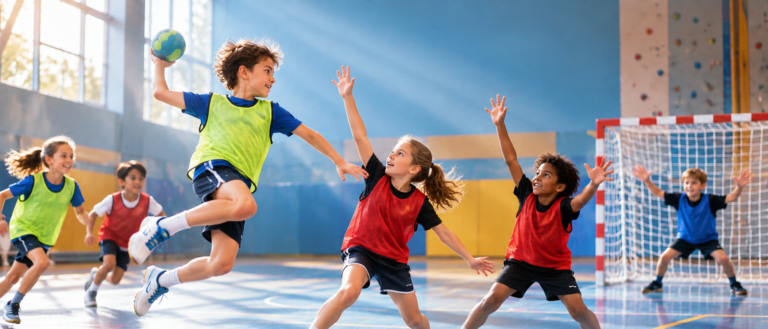
A U13 mixed youth team struggled with catching errors and weak passing, especially among smaller players. They were training with size 2 balls designed for older players and using worn-out, slippery training balls in poor condition.
After a simple equipment review, the coach made three changes:
- Switched to a mix of size 1 and size 2 handballs, matched individually to players’ hand sizes.
- Invested in resin-free, grippy training balls with a soft PU surface.
- Introduced a basic ball care routine to clean and properly store the handballs.
The results after only a few weeks:
- Fewer dropped balls during fast breaks and quick passing drills.
- More confident shooting from the backcourt, especially for smaller players who could now grip the ball properly.
- Higher training intensity because players spent less time chasing bad bounces.
This simple change in equipment – choosing the right handball size and grip level – directly improved technical skills and overall team performance.
Quick Buying Guide: Matching the Handball to Your Needs
| If You Are… | Recommended Ball |
|---|---|
| Young beginner (under 12) | Size 1, soft PU, resin-free, strong grip |
| Female player (13+) | Size 2 match ball, good texture, resin or resin-free depending on rules |
| Male player (16+) | Size 3, premium PU, match-grade foam backing |
| School / PE teacher | Durable PVC/PU, resin-free, size 0-2 depending on age |
| Outdoor / street player | Rugged outdoor handball, reinforced cover |
Conclusion: Turn Every Pass into an Advantage
The right handball is more than just a piece of equipment – it’s an extension of your hand and your playing style. By paying attention to size, grip, and material, you give yourself (or your team) a real advantage on the court.
To summarize:
- Choose the correct size based on age, gender, and hand size.
- Decide on grip: resin-friendly or resin-free, depending on your hall and league rules.
- Select the right material (PU, PVC, foam backing) for the level of play and durability you need.
- Match the ball to the environment: indoor vs outdoor.
- Care for your handball to maintain performance and prolong its life.
Investing a bit of time in choosing the right handball will pay off every time you catch a difficult pass, fire a precise shot, or execute a fast break without losing control. Start with the basics from this guide, and you’ll be able to pick a ball that truly supports your game – from your first training session to your next big match.