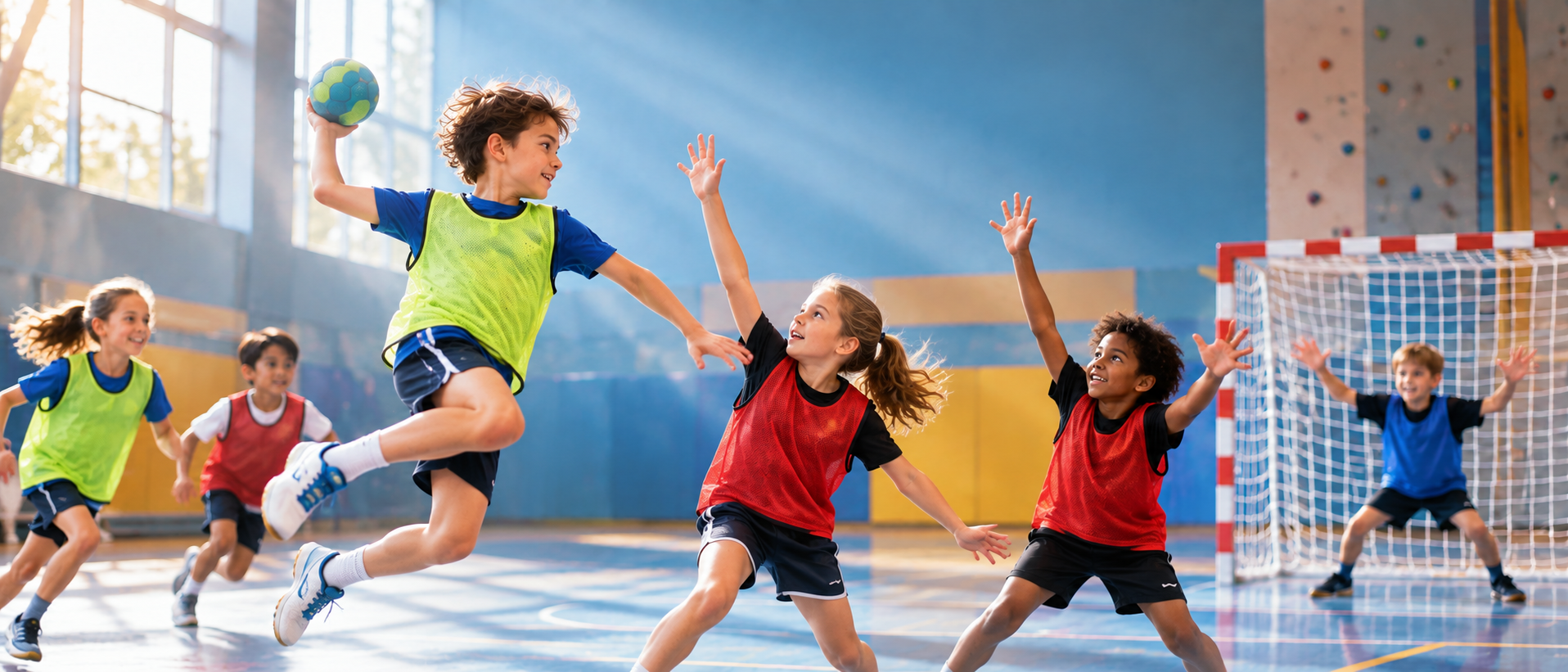
Are you looking for a fun, fast-paced sport that kids will love and that’s easy to integrate into your school or club? Mini handball might be exactly what you need. This modified version of traditional handball is perfectly suited for children, with simplified rules, smaller courts, and a big focus on enjoyment and participation.
In this guide, you’ll learn exactly how to start a mini handball program at your school or club – from planning and equipment to coaching tips and program promotion. Whether you’re a PE teacher, youth coach, or club organizer, this article will help you build a sustainable, exciting mini handball project that keeps kids active and engaged.
What Is Mini Handball?
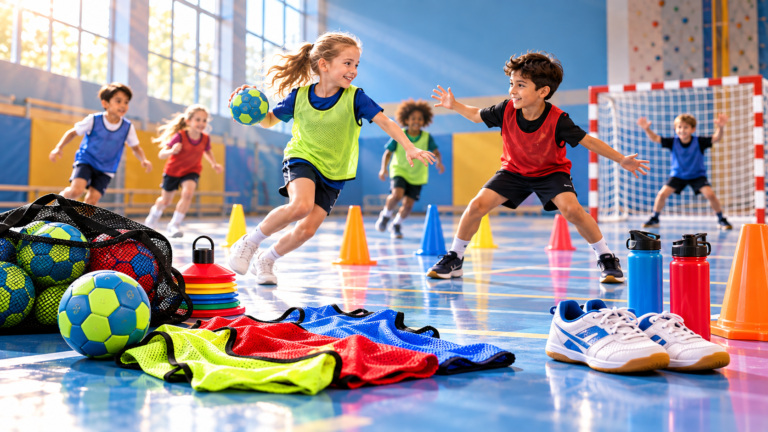
Mini handball is a child-friendly version of handball designed for kids roughly aged 6-12. It’s usually played on smaller courts, with softer balls and fewer players per team to make the game safer and more accessible.
Key Features of Mini Handball
- Smaller playing area (often a half-court or modified gym space)
- Lighter, softer balls for easier catching and throwing
- Reduced contact and simplified rules
- Shorter game durations and flexible team sizes
- Strong emphasis on fun, fair play, and learning basic skills
Because of these adaptations, mini handball is ideal for school sports programs, after-school activities, and youth club development.
Why Start a Mini Handball Program?
Before you invest time and energy, it helps to understand the benefits of mini handball for kids, schools, and clubs.
Benefits for Children
- Physical development: Improves coordination, agility, speed, and overall fitness.
- Skill building: Teaches throwing, catching, jumping, and spatial awareness.
- Social skills: Encourages teamwork, communication, and respectful competition.
- Confidence and resilience: Kids learn to handle wins, losses, and challenges in a safe environment.
- Inclusivity: Boys and girls of different ability levels can play together.
Benefits for Schools and Clubs
- Low-cost setup: Requires minimal equipment and space compared to many other sports.
- Flexible formats: Easy to adapt to class time, after-school clubs, or weekend leagues.
- Program diversity: Adds variety to your sports offering and can complement existing football, basketball, or volleyball programs.
- Community engagement: Great platform for local tournaments, open days, and family events.
- Talent pathway: A starter pathway into full handball for interested and talented kids.
Step 1: Define the Vision and Goals for Your Mini Handball Program
Every successful mini handball project starts with a clear plan. Before you buy equipment or schedule matches, define what you want the program to achieve.
Questions to Ask
- Who is your main target group (age range, class groups, club members)?
- Is the focus on fun, competition, or a mix of both?
- Will mini handball be part of PE lessons, an after-school club, or a separate weekend program?
- How many sessions per week can you realistically offer?
- Do you want to participate in local or regional mini handball festivals?
Set 3-5 simple, measurable goals – for example:
- Introduce mini handball to at least 60 children in the first school term.
- Organize one internal mini handball tournament after 3 months.
- Train at least two staff members or volunteers as mini handball coaches.
Step 2: Secure Space, Time, and Basic Resources
You don’t need a full-size indoor handball arena to run a successful program. Many schools and clubs start with whatever space they have available.
Choosing a Suitable Playing Area
- Indoor gym: Ideal for consistent sessions and weather-proof training.
- Outdoor court or playground: Use temporary markings for goals and lines.
- Multi-purpose hall: Share space with other sports by using portable goals and cones.
For younger children, a court of about 20-24 m long and 12-16 m wide is often sufficient. The key is to keep the playing area small enough that kids stay involved and don’t get lost in the space.
Scheduling Your Program
- Short, frequent sessions (30-45 minutes) work well for younger players.
- Choose fixed days and times to build routine (e.g., every Tuesday and Thursday after class).
- Coordinate with school timetables or club calendars to avoid clashes with major activities.
Step 3: Essential Equipment for Mini Handball
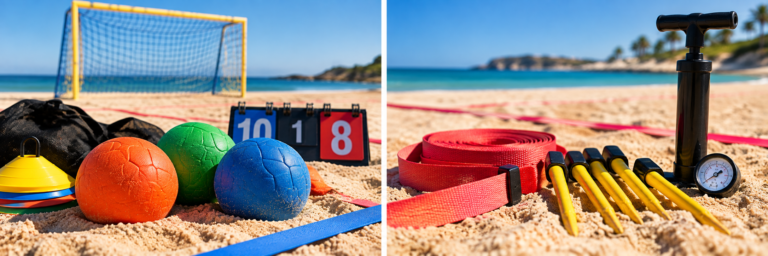
Starting a mini handball program doesn’t require a huge budget. You can begin with a small set of basic items and expand over time.
| Item | Quantity | Notes |
|---|---|---|
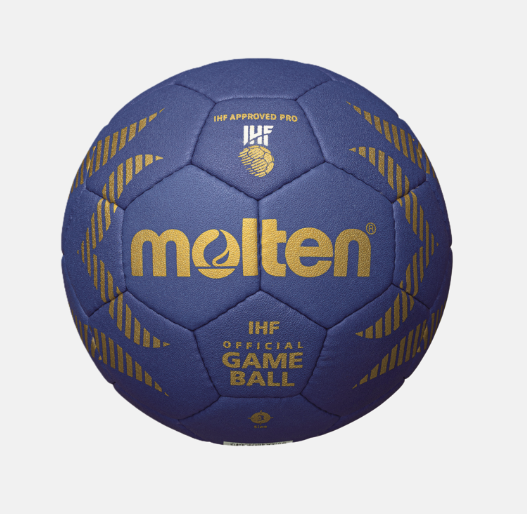
| Mini handballs (soft) | 6-12 | Size 0 or 1, foam or soft rubber |
| Portable goals | 2 | Lightweight, foldable if possible |
| Cones or floor markers | 20-30 | For drills, zones, and lines |
| Bibs / vests | 12-20 | Two different colors for teams |
| Whistle & stopwatch | 1 each | For coaches and referees |
Budget-Friendly Tips
- Start with foam balls if you’re working with very young children or complete beginners.
- Mark temporary courts using flat cones or removable tape instead of permanent lines.
- Share equipment between classes or clubs in the same area to reduce costs.
- Look for community grants or sports development funds that support youth sport programs.
Step 4: Adapt Rules for Age and Skill Level
One of the most important aspects of a good mini handball program is rule adaptation. Keep it simple and age-appropriate so children can learn quickly and stay motivated.
| Age Group | Team Size | Game Duration | Key Adaptations |
|---|---|---|---|
| 6-8 years | 3v3 or 4v4 | 2 x 8-10 min | No contact, focus on passing |
| 9-10 years | 4v4 or 5v5 | 2 x 10-12 min | Simple defending, rotating roles |
| 11-12 years | 5v5 or 6v6 | 2 x 12-15 min | Introduce tactics and basic rules |
Basic Mini Handball Rules to Consider
- Limited steps: For example, 3 steps with the ball before passing or shooting.
- Time limit with ball: 3-5 seconds holding the ball to promote quick decisions.
- Non-contact defense: Hands up, blocking passes, but no pushing or grabbing.
- Rolling substitutions: Allow kids to enter and leave freely so everyone plays.
- Fair play points: Reward teams for good sportsmanship and teamwork, not just goals.
Step 5: Design Fun, Skill-Based Training Sessions
To make your mini handball training engaging and effective, structure each session with a clear flow: warm-up, skill work, game-like drills, and a short match.
Sample 45-Minute Mini Handball Session
- 5-10 minutes – Warm-up games
Simple tag games, running with direction changes, or passing while moving. - 10-15 minutes – Basic skill drills
Passing in pairs, throwing at targets, catching on the move. - 10-15 minutes – Small-sided games
2v2 or 3v3 on small goals, focus on attacking and defending. - 5-10 minutes – Short match and cool-down
Mini match with adapted rules, stretching, quick reflection.
Coaching Tips for Beginners
- Use clear, simple language and demonstrate every new skill.
- Keep lines short – kids should move and touch the ball frequently.
- Rotate positions so each child experiences attacking, defending, and goalkeeping.
- Celebrate effort, good passes, and teamwork more than goals scored.
- Include cooperative games where teams win only if everyone scores or touches the ball.
Step 6: Train and Support Your Mini Handball Coaches
Even the best program design will struggle without motivated and informed coaches. Investing in coach education will raise the quality and sustainability of your mini handball initiative.
Who Can Coach Mini Handball?
- PE teachers and sports coordinators
- Club volunteers and youth leaders
- Senior students with an interest in leadership and sport
- Parents with a background in handball or other team sports
Coach Development Ideas
- Run an internal workshop on basic mini handball rules and safety.
- Share simple session plans that coaches can follow and adapt.
- Invite a local handball coach or federation representative to lead a clinic.
- Encourage coaches to watch online videos of mini handball drills and games.
- Provide feedback and support, especially in the first months.
Step 7: Promote Your Mini Handball Program and Engage the Community
To build momentum, you’ll need players, parents, and teachers to know about and support your mini handball program. Strategic promotion will help you fill sessions and create a sense of excitement.
Promotion Ideas for Schools
- Introduce mini handball during PE classes, then offer a voluntary club.
- Organize a “Mini Handball Day” with friendly matches and open participation.
- Use school newsletters, assemblies, and posters to invite children to join.
- Share regular updates and photos (with permission) on the school website or blog.
Promotion Ideas for Clubs
- Create a dedicated mini handball page on your website with schedules and contact details.
- Post training clips and event highlights on social media platforms.
- Offer a free “try-out month” to lower the barrier for new players.
- Partner with local schools to run demonstration sessions or mini tournaments.
Safety, Inclusion and Program Quality
To keep children safe and happy, and to ensure your mini handball initiative has a positive impact, pay attention to a few core quality standards.
Safety Guidelines
- Check the court surface for hazards before every session.
- Make sure goals are stable and securely fixed or weighted.
- Use age-appropriate balls and avoid overly hard throws for younger kids.
- Teach safe falls, no pushing, and respect for personal space.
- Keep a basic first-aid kit on site and know your emergency procedures.
Ensuring Inclusion
- Welcome children of all ability levels and adapt activities as needed.
- Use mixed-gender teams to promote equality and cooperation.
- Provide roles for shy or less confident kids, such as assistant referee or warm-up leader.
- Focus on personal improvement rather than comparing players publicly.
Simple Mini Handball Case Study (Example)
To illustrate how a mini handball project can grow, here’s a simple fictional example based on common success stories.
Greenfield Primary School decided to introduce mini handball as an after-school activity. They started with:
- One 45-minute session per week for children aged 8-10
- A small budget for 8 soft balls, 2 portable goals, and cones
- Two teachers and one volunteer parent as coaches
After three months:
- Over 40 children regularly attended the club.
- The school hosted an internal mini handball festival with mixed teams.
- Parents reported improved confidence and enthusiasm for physical activity.
- Other year groups requested their own mini handball sessions.
In the second year, Greenfield partnered with a local handball club to access additional coaching support and invited neighboring schools for a friendly tournament, turning their mini handball program into a highlight of the school’s sports calendar.
Practical Tips for Long-Term Success
- Start small, grow steadily: Begin with one or two age groups and expand once you have solid routines.
- Listen to feedback: Ask children what they enjoy most and adjust training sessions to keep energy high.
- Recognize participation: Use simple certificates, badges, or end-of-term awards.
- Build traditions: Annual mini handball festival, “Family vs Kids” match, or themed training days.
- Connect to full handball: For older or more advanced players, introduce them to local youth handball teams.
Conclusion: Take the First Step Toward a Successful Mini Handball Program
Starting a mini handball program at your school or club is an achievable and rewarding project. With modest equipment, a clear plan, and enthusiastic coaches, you can create an engaging sports environment that helps children develop physically, socially, and emotionally.
Begin by clarifying your goals, securing a suitable space, and gathering basic equipment. Adapt the rules to match your players’ ages, design fun and dynamic training sessions, and actively promote your mini handball activities to parents, students, and the wider community. Over time, your program can grow into a key pillar of your school or club’s sports culture.
Mini handball isn’t just a game – it’s a powerful tool to introduce kids to teamwork, fair play, and a lifelong love of physical activity. Start small, stay consistent, and watch your mini handball program thrive.