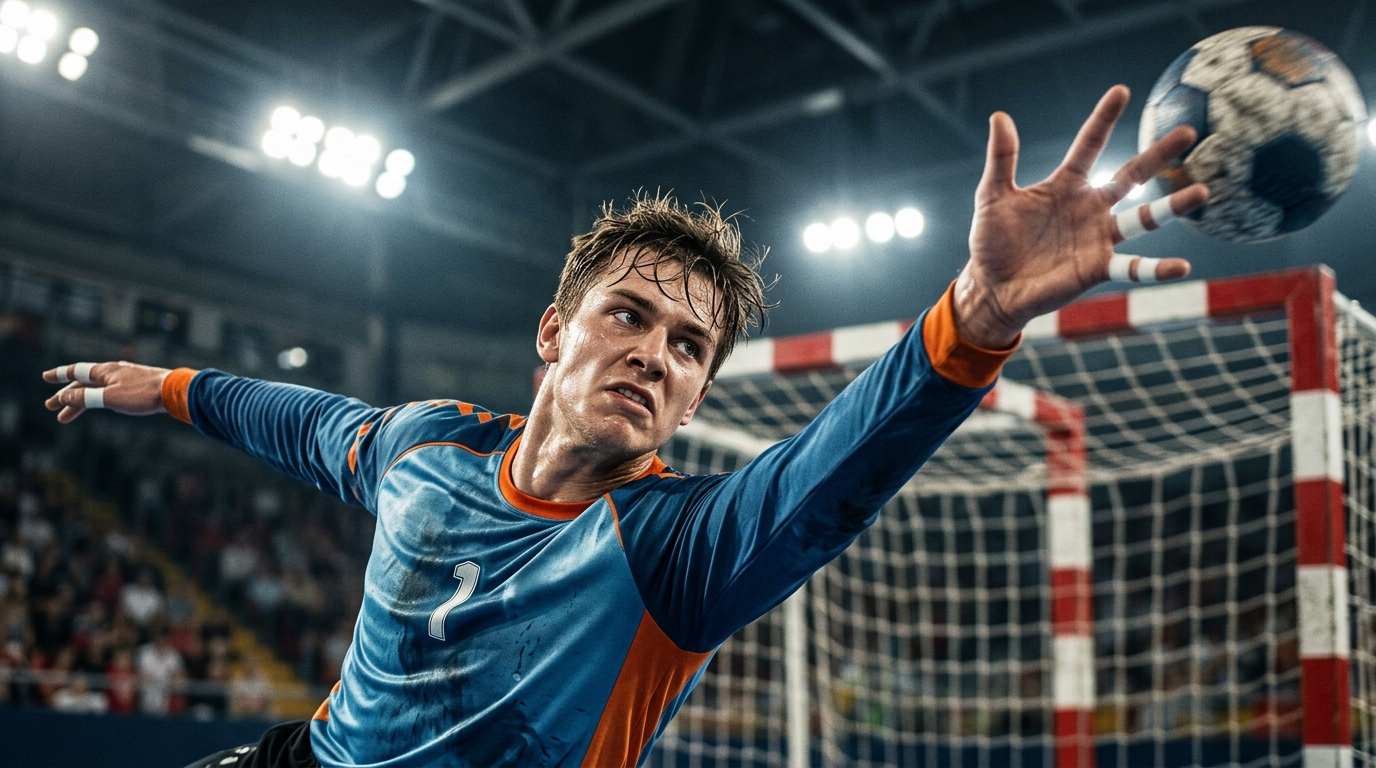
In modern handball, the goalkeeper is no longer just a shot-stopper – they’re the first attacker, the organizer of the defense, and often the deciding factor in close games. To perform at this level, handball goalkeeper gear must strike the perfect balance between protection and mobility.
This comprehensive guide covers everything you need to know about handball goalie shoes, knee and elbow pads, and goalkeeper clothing so you can move explosively, stay safe, and play with confidence.
Why the Right Handball Goalkeeper Gear Matters
Choosing the right handball goalkeeper equipment is not just about comfort; it directly influences your performance and injury risk.
- Explosive movement: Goalies need to dive, slide, jump, and change direction instantly.
- Injury prevention: Knees, hips, elbows, and fingers are highly exposed during saves.
- Confidence: When you trust your gear, you commit fully to shots and risky movements.
- Consistency: The right materials help maintain grip and mobility throughout a full match, even when tired and sweaty.
With this in mind, let’s break down each category of gear: shoes, pads, and clothing.
Handball Goalkeeper Shoes: Grip, Stability, and Speed
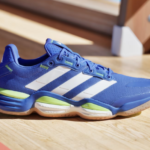
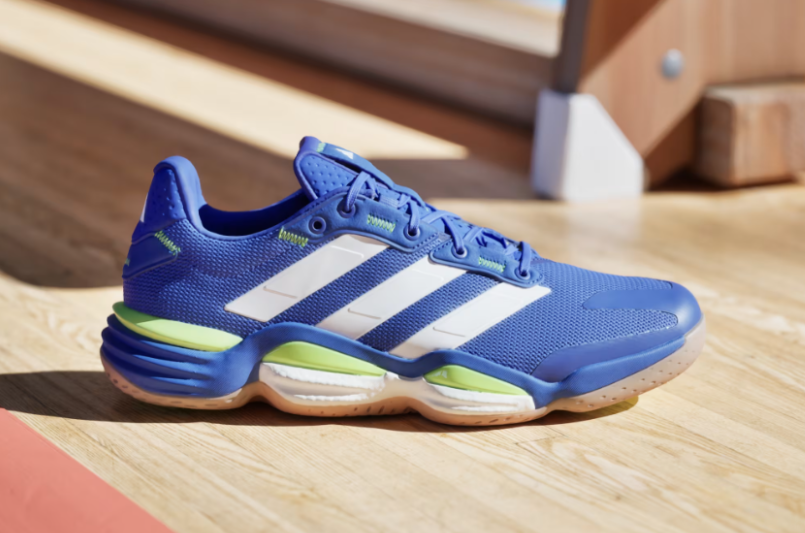
Footwork is the foundation of goalkeeping. The best handball goalkeeper shoes support lightning-fast lateral movements while keeping your ankles and knees stable.
Key Features of Good Handball Goalkeeper Shoes
- Non-marking indoor sole: Essential for any indoor handball court; look for gum-rubber or similar compounds.
- High lateral stability: Reinforced sides and a stable heel counter reduce the risk of ankle sprains when pushing off.
- Low-to-medium profile: A lower shoe (closer to the ground) improves balance and reaction time.
- Cushioning in heel and forefoot: Absorbs shock when landing from jumps and lateral pushes.
- Good traction pattern: A multi-directional sole pattern helps with rapid side steps, shuffles, and pivots.
- Snug, locked-in fit: A slightly tighter fit (without pain) minimizes internal foot movement and blisters.
Indoor Court Shoes vs. Running Shoes
Running shoes are designed primarily for forward motion, while indoor court shoes are built for multi-directional movement and quick stops. For a handball goalkeeper:
- Avoid: Soft, high-cushion running shoes (too unstable sideways, higher risk of rolling an ankle).
- Choose: Court shoes marketed for handball, volleyball, squash, or indoor sports with strong lateral support.
Recommended Shoe Characteristics (Quick Overview)
| Feature | Why It Matters | Goalkeeper Tip |
|---|---|---|
| Grip | Prevents slipping on quick dives | Test by making sudden side steps in the store |
| Lateral Support | Protects ankles during explosive pushes | Look for reinforced side panels |
| Cushioning | Reduces impact on knees and hips | Choose medium, not ultra-soft soles |
| Fit | Improves responsiveness and comfort | Leave about a thumb’s width at the toes |
Practical Tips for Goalkeeper Shoes
- Break them in gradually: Use new shoes in training sessions first before an important match.
- Replace when grip fades: Worn soles increase sliding and slow reaction time.
- Keep soles clean: Wipe them with a damp cloth before games for maximum traction.
- Consider ankle braces: If you have a history of ankle injuries, combine stable shoes with lightweight ankle supports.
Handball Goalkeeper Pads: Protect Without Slowing Down
A good handball goalkeeper pad setup allows you to dive aggressively without hesitation. The challenge is finding the balance between protection and mobility.
Essential Pads for Handball Goalkeepers
- Knee pads
- Elbow pads
- Hip and thigh padding (optional but useful)
- Finger and hand protection (through gloves or tape, if desired)
Knee Pads for Handball Goalkeepers
The knees take constant impact from dives, slides, and low saves. The best handball goalie knee pads are:
- Flexible: Allow full bending of the knee without restricting jumps or squats.
- Low-profile: Not too bulky, so you can move fast and stay close to the ground.
- Shock-absorbing: With EVA foam or gel zones over the kneecap and slightly to the sides.
- Breathable: With mesh or moisture-wicking fabric to reduce sweat and skin irritation.
Tip: Volleyball-style knee pads often work very well for handball goalkeepers due to similar movement demands.
Elbow Pads: Protecting from Hard Landings
Handball goalkeeper elbow pads are especially useful for keepers who dive often or play on harder surfaces.
- Choose slim, articulated pads that move with your arm.
- Look for strategic padding just over the elbow joint, not around the entire arm (to keep mobility).
- Ensure they don’t slip when your arms get sweaty – silicone grippers on the inner edges can help.
Hip and Thigh Padding
Hitting the floor on your hip or outer thigh is painful and can discourage aggressive dives. Thin padded compression shorts with built-in hip and thigh protection can:
- Reduce bruises and floor burns.
- Encourage more confident side dives.
- Stay discreet under your goalkeeper shorts.
Finger and Hand Protection
Handball goalkeepers rarely use thick gloves like football goalies, because the ball is smaller and shots are faster at close range. However, you can still protect your hands through:
- Finger taping: Buddy-taping weak fingers or old injuries for added stability.
- Thin grip gloves: Some brands offer minimalist gloves with light padding and improved grip, but test them carefully – they must not slow your reaction speed.
Minimalist vs. Heavy Protection
| Style | Pros | Cons |
|---|---|---|
| Minimal Pads | Light, maximum mobility | Higher impact on joints |
| Medium Pads | Good balance for most keepers | Slightly warmer/heavier |
| Heavy Pads | Best protection on hard courts | Can feel bulky, slower movements |
For most competitive goalkeepers, medium padding (good knee and elbow pads, light hip padding) offers the best combination of safety and freedom of movement.
Clothing for Handball Goalkeepers: Speed, Comfort, and Confidence
Clothing can be a performance tool. The right handball goalkeeper clothing keeps your body at the right temperature, allows you to move freely, and protects your skin.
Layer 1: Base Layer / Compression Wear
Many elite goalkeepers use a compression base layer to stay comfortable and supported.
- Compression tops: Long-sleeve shirts with moisture-wicking fabric reduce friction burns on the arms and help regulate temperature.
- Compression shorts or tights: Support key muscles and may include built-in light padding at the hips or thighs.
- Benefits: Improved blood circulation, reduced muscle vibration, less chafing and floor burn.
Layer 2: Goalkeeper Jersey
The goalkeeper jersey is more than just a color difference from the field players.
- Fit: Slightly loose for freedom of movement, but not baggy enough to snag on posts or opponents.
- Fabric: Light, breathable, and quick-drying to manage sweat during intense matches.
- Sleeves: Long sleeves provide extra protection from abrasions and hard shots.
- Padding: Some jerseys have light padding on shoulders or elbows. This can be useful, but don’t rely on it alone – proper elbow pads are still recommended.
Layer 3: Goalkeeper Pants or Shorts
The choice between goalkeeper pants vs. shorts often depends on personal preference and playing conditions.
Goalkeeper Pants
- Best for: Hard courts, beginners, or keepers who dive frequently and want extra protection.
- Features: Reinforced or padded hips, knees, and thighs; durable fabric; slightly tapered lower legs to avoid catching on shoes.
Goalkeeper Shorts
- Best for: Fast-paced play, warm conditions, and experienced keepers who prioritize mobility.
- Combo: Often used together with padded compression tights for skin and joint protection.
Choosing the Right Fit for Maximum Mobility
- Avoid overly baggy clothing that can slow you down or get tangled.
- Make sure waistbands are secure – diving should not pull your shorts or pants down.
- Check that knees and hips bend freely without tension when you squat, lunge, or perform split-like motions.
Balancing Protection and Mobility: Practical Gear Setups
Here are some sample handball goalkeeper gear setups depending on your level and style of play.
Beginner Goalkeeper Setup
- Indoor court shoes with solid grip and basic lateral support
- Medium-thickness knee pads
- Light elbow pads
- Long-sleeve jersey, lightly padded if possible
- Padded pants or shorts with compression tights underneath
Goal: Maximize protection and build confidence in diving and floor contact.
Intermediate / Club Goalkeeper Setup
- High-quality handball shoes with strong lateral stability
- Low-profile but well-cushioned knee pads
- Elbow pads that don’t slip when sweaty
- Compression base layer (top and shorts or tights)
- Goalkeeper shorts with or without thigh padding
Goal: Balance between speed and safety for regular training and match play.
Advanced / Elite Goalkeeper Setup
- Top-tier indoor court shoes tailored to personal preference
- Minimal but effective knee and elbow pads (great fit, precise padding zones)
- Custom compression wear, possibly with targeted padding
- Lightweight, breathable goalkeeper jersey and shorts
- Optional hip padding for tournaments on hard courts
Goal: Maximize mobility and explosiveness while maintaining just enough protection to stay healthy long-term.
Care and Maintenance of Handball Goalkeeper Gear
Taking care of your handball goalkeeper gear extends its life and keeps it performing at its best.
Cleaning and Drying
- Shoes: Air-dry after each session, remove insoles occasionally, and never leave them in a closed, damp bag.
- Pads: Wash according to label instructions; regular washing prevents odors and material breakdown from sweat.
- Clothing: Turn jerseys and base layers inside out and wash at moderate temperatures to maintain elasticity and color.
When to Replace Gear
- Shoes: When the sole loses grip or the upper loses support, typically every 6-12 months of regular play.
- Knee/elbow pads: When padding becomes thin, flat, or the fabric is torn and slipping.
- Compression wear: When elasticity is lost and the fabric feels loose or see-through.
Practical Tips for Testing and Choosing Handball Goalkeeper Gear
- Simulate real movements: In the store or at home, test shoes and pads with actual goalkeeper motions: side steps, lunges, diving motions.
- Prioritize function over brand: Popular brands are often good, but the best gear is what fits your body and style.
- Consider your playing surface: Hard, older courts may require more padding; newer, softer courts allow lighter protection.
- Listen to your body: Pain in knees, hips, or elbows is a sign that you may need better padding or different shoes.
Conclusion: Build Your Ideal Handball Goalkeeper Kit
Maximum mobility in handball goalkeeping doesn’t mean going unprotected; it means choosing smart, lightweight, and well-fitted gear that lets you move explosively while keeping your body safe.
To recap the essentials for handball goalkeeper gear:
- Shoes: Non-marking, high-grip indoor soles with strong lateral support and a stable, low-to-medium profile.
- Pads: Flexible knee and elbow pads, with optional hip and thigh padding, matched to your playing style and court surface.
- Clothing: Breathable compression base layers, a comfortable long-sleeve goalkeeper jersey, and shorts or pants that allow unrestricted movement.
Investing in the right handball goalkeeper shoes, pads, and clothing will pay off in better reactions, fewer injuries, and greater confidence every time you step into the goal. Start by upgrading one piece of equipment at a time, test what works best for you, and gradually build a kit that supports your unique style as a goalkeeper.