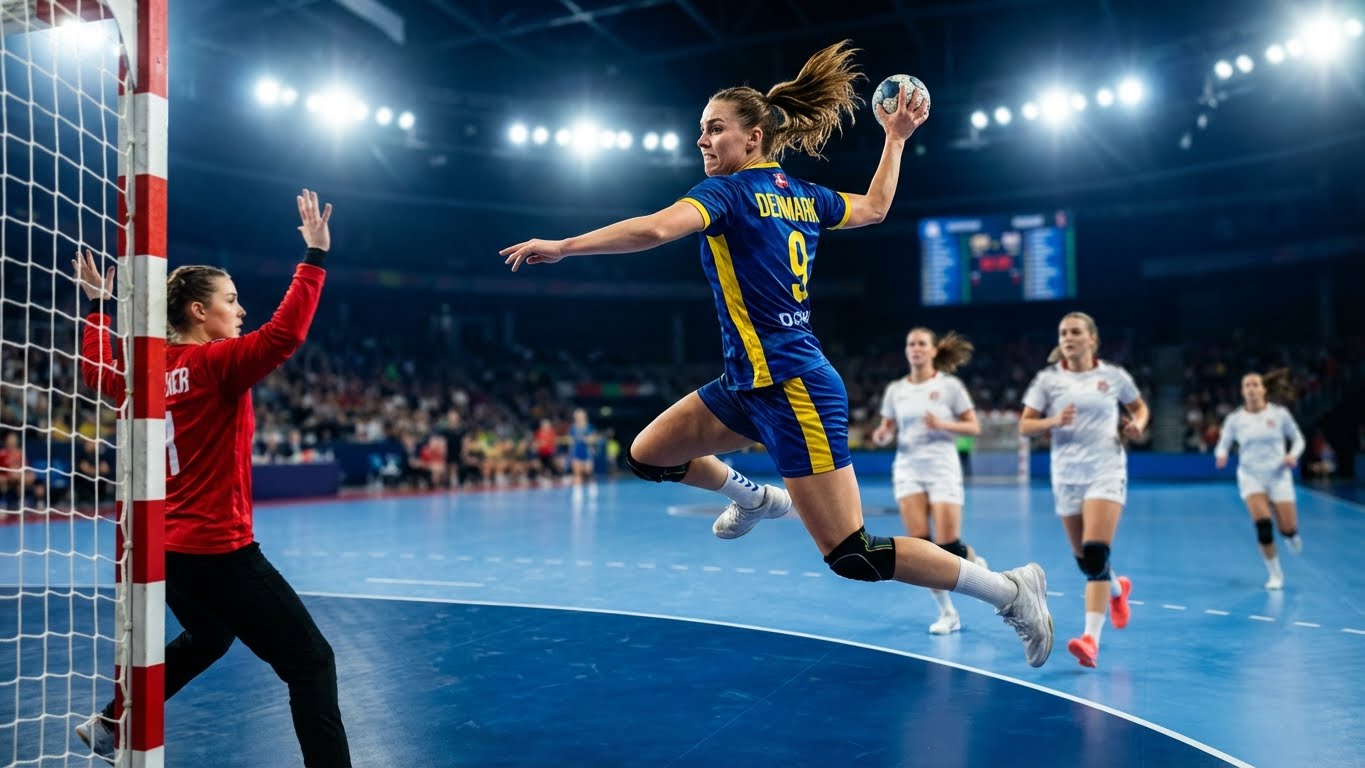
Fast breaks and counterattacks are among the most exciting and decisive elements in modern handball. They turn defense into instant offense, punish slow transitions, and can completely change the momentum of a game in just a few seconds. Whether you’re a player, coach, or fan, understanding how fast breaks and counterattacks work is essential to appreciating and improving handball performance.
In this guide, you’ll learn what fast breaks are, how counterattacks function, the key roles for each position, and practical tips to train and implement them effectively.
What Is a Fast Break in Handball?
A fast break in handball is a rapid transition from defense to attack immediately after regaining possession of the ball. The goal is to score before the opposing defense has time to organize, often creating numerical superiority (e.g., 3 vs 2 or 2 vs 1).
Key Characteristics of a Fast Break
- Speed: The ball and players move quickly up the court with minimal dribbling.
- Verticality: The play goes directly towards the goal, avoiding unnecessary lateral passes.
- Numerical Advantage: Usually takes place when attackers outnumber defenders.
- High Efficiency: A well-executed fast break leads to a high percentage of clear scoring chances.
In elite handball, teams often aim to score 20-40% of their goals through fast breaks and counterattacks, because these are typically the highest-quality shots of the game.
Fast Break vs Counterattack: What’s the Difference?
These terms are often used interchangeably, but in handball tactics they can refer to slightly different phases of the transition game.
| Aspect | Fast Break | Counterattack (Second Wave) |
|---|---|---|
| Main Trigger | Immediate ball recovery (save, steal, turnover) | Continuation after fast break, or slower transition |
| Tempo | Maximum speed, few passes | Fast, but slightly more structured |
| Typical Situation | 3 vs 2, 2 vs 1, or 1 vs 0 | Balanced numbers, but disorganized defense |
| Main Goal | Immediate clear shot | Attack a still-forming defense with quick combinations |
Fast break: Often called the “first wave,” it is the pure sprint phase right after winning the ball.
Counterattack: Often includes the “second wave” and even “third wave,” where more players join, the pace is still high, but the play is already closer to a fast-paced positional attack.
The Three Phases of a Fast Break in Handball
Most coaches divide the fast break into three clearly defined phases: outlet, progression, and finish.
1. Outlet Phase: Securing and Releasing the Ball
The outlet starts the transition. It happens the moment your team gains possession.
- Typical triggers: goalkeeper save, intercepted pass, forced error, offensive foul, or defensive rebound.
- Main objective: get the ball safely and quickly to a player in a better running position.
Key roles:
- Goalkeeper: Quick decision-making, accurate long throws to wings or backcourt players.
- Central back: Signals and organizes who runs which lane.
- Defenders: Instant reaction to sprint forward after the ball is secured.
2. Progression Phase: Advancing the Ball Fast
In the progression phase, the team moves the ball rapidly up the court, ideally keeping it ahead of the players to avoid dribbling.
- Use of running lanes: wings run wide and deep; backs run central or half-spaces; the pivot may trail behind.
- Limited dribbling: passing is faster; one or two dribbles at most to adjust angle or speed.
- Reading the defense: players must constantly scan for defenders’ positions and numbers.
3. Finishing Phase: Choosing the Best Shot
The finishing phase decides whether the fast break was worth it. Players must be aggressive yet composed.
- Decision-making: pass or shoot based on defender and goalkeeper position.
- Shot selection: high-percentage shots (wing, 6-meter, clear jump shots).
- Fouls and penalties: defenders often commit 2-minute fouls in desperation; attackers must finish cleanly.
Roles and Responsibilities in Fast Break Handball
Every position has a distinct role in effective fast breaks and counterattacks. When players know their jobs, transition becomes automatic and much more dangerous.
| Position | Primary Fast Break Role |
|---|---|
| Goalkeeper | Initiate outlet, long passes, quick restart |
| Wings | First sprinters, wide lanes, main finishers |
| Backcourt Players | Organize lanes, pass ahead, second wave shooters |
| Pivot | Trail runner, block defenders, finish at 6 m |
| Defensive Specialists | First to recover ball, quick substitution if needed |
Goalkeeper
- Reads the court immediately after the save or turnover.
- Executes precise long passes to wings or central backs.
- Communicates with defenders to launch the break.
Wings
- Usually the fast break specialists in handball.
- Run wide and deep along the sideline to stretch the defense.
- Time their catch and jump so they can finish under control.
Backcourt Players (Left, Centre, Right Back)
- Receive outlet passes if wings are covered.
- Lead the second wave of the counterattack.
- Decide whether to pass to wings/pivot or attack the gap themselves.
Pivot
- Often slightly slower, so acts as trailing runner.
- Arrives at 6 meters to set blocks or receive passes in second/third wave.
- Opens space for backcourt players by sealing defenders.
Defensive Specialists / Substitutions
- If you play defense-offense specialists, fast substitutions on the bench side are crucial.
- Defenders must decide: join the break or substitute for an attacking specialist.
Benefits of Fast Breaks and Counterattacks in Handball
Investing in a strong transition game brings several advantages:
- Higher scoring efficiency: more clear chances from 6 meters and free wing shots.
- Psychological impact: demoralizes opponents who lose the ball and concede instantly.
- Forces mistakes: opponents rush back on defense, leading to fouls and suspensions.
- Better fitness use: teams with superior conditioning can dominate the pace.
- Game control: a strong fast break game allows you to change tempo when needed.
Common Fast Break Patterns in Handball
While every team has specific plays, several classic fast break patterns appear in most high-level handball systems.
1. 1-0 or 1-1 Break
One attacker vs no defenders, or one defender chasing from behind.
- Usually a wing running alone after a long pass from the goalkeeper.
- Focus on clean reception and finishing technique vs goalkeeper.
2. 2 vs 1 Fast Break
Two attackers against a single defender.
- Ball carrier runs slightly towards the defender to force a decision.
- Pass at the last possible moment to partner if defender commits.
- Both must be ready to shoot.
3. 3 vs 2 or 3 vs 1 Situations
Very common after steals or blocked shots.
- Wing and backcourt run wide lanes, central back carries the ball.
- Objective: create a 2 vs 1 on one side through quick passes.
- Use a simple “pass – cross – extra pass” pattern for easy finish.
4. Second Wave Counterattack
Happens when the first fast break does not lead to an immediate shot.
- More players join from behind (especially pivot and opposite back).
- Quick crosses, overlaps, and short combinations target gaps in a still unstable defense.
- Aim to finish before the defense fully sets in a 6-0 or 5-1 formation.
Practical Tips to Improve Fast Break Handball
Improving your fast break and counterattack game requires technical, tactical, and physical work. Here are actionable tips you can apply in training.
1. Train the First Three Seconds After Ball Recovery
Coaches often say: “The fast break is decided in the first three seconds.”
- Use drills that start with a goalkeeper save or a defensive interception.
- Set rules like: “You must attempt a fast break within three seconds of recovery.”
- Reward immediate reactions and punish hesitation during practice games.
2. Develop Passing Accuracy at High Speed
- Include long passing drills for goalkeepers and backs under time pressure.
- Practice catching and shooting on the run with minimal steps.
- Use narrow targets or zones to improve placement.
3. Use Simple, Clear Running Lanes
Each player should know where to run in every fast break scenario:
- Left wing: left sideline, deep sprint.
- Right wing: right sideline, deep sprint.
- Central back: central lane, ball carrier in many cases.
- Other backs: half-lanes, ready to receive second-wave passes.
- Pivot: center trailing, finish near 6 meters.
4. Condition for Repeated High-Intensity Sprints
- Use interval sprints that mimic handball distances (20-30 meters repeated).
- Combine sprint drills with ball-catching and shooting tasks.
- Train both offensive and defensive transitions to build two-way endurance.
5. Prepare Defensive Transition Against Opponent Fast Breaks
An effective fast break system must be balanced by a strong defensive transition.
- Designate “first back” players who must always sprint back after a shot.
- Train quick retreat to a central zone to slow down opponents’ fast break.
- Work on tactical fouls within the rules to stop clear breaks without 2-minute suspensions.
Simple Training Drills for Fast Breaks and Counterattacks
Below is a quick overview of basic fast break drills you can adapt to any handball team.
| Drill Name | Focus Area | Key Detail |
|---|---|---|
| GK to Wing Sprint | Outlet & finishing | Goalkeeper long pass, wing scores in 1-0 |
| 2 vs 1 Break | Decision-making | Late pass, reading defender |
| 3 vs 2 Continuous | Second wave play | Rotate roles, nonstop transitions |
| 3-Second Rule | Reaction speed | Shot must be taken within 3 s of recovery |
Case Study: How Top Teams Use Fast Breaks
At international level, successful national teams and professional clubs build game plans around fast breaks and counterattacks.
- Strong defense as a base: Aggressive 6-0 or 5-1 formations create steals and bad shots.
- Goalkeeper-wing connection: Many goals come from direct passes after saves.
- Structured counterattack phases: First, second, and even third waves drilled to perfection.
- Depth of squad: Fresh players off the bench keep the pace high throughout the game.
By tracking fast break conversion rate (e.g., goals per fast break attempt) and number of fast break attempts per match, elite teams manage and improve their transition efficiency season after season.
Common Mistakes in Fast Break Handball (and How to Fix Them)
Even experienced teams make recurring errors in fast break and counterattack situations:
- Too much dribbling: Slows the game and allows defenders to come back.
Fix: Emphasize passing ahead and running without the ball. - Early, predictable passes: Defenders read and intercept them.
Fix: Teach attackers to approach the defender and pass at the last instant. - Poor spacing: Players run too close together.
Fix: Mark lanes on the court during training, enforce wide running. - Rushed finishing: Missed open shots due to lack of control.
Fix: Practice 1 vs goalkeeper finishes from both wings and central lanes. - Slow reaction after ball loss: Opponents punish with their own fast break.
Fix: Implement clear “first defender” rules and instant transition mindset.
Integrating Fast Breaks into Your Overall Handball Strategy
Fast breaks and counterattacks should not be isolated elements; they must fit your team’s style and strengths.
- Defensive identity: If your team has strong defenders and a good goalkeeper, build a defense-to-attack philosophy.
- Roster profile: With quick, agile wings and fit backs, prioritize high-tempo handball.
- Game management: Use fast breaks to break the rhythm of a slow, physical opponent.
- Training time: Dedicate specific segments each week to fast break drills and video analysis.
Conclusion: Mastering Fast Breaks and Counterattacks in Handball
Fast breaks and counterattacks are more than just spectacular moments; they are strategic weapons that can define the outcome of a handball match. By understanding the phases of the fast break, clarifying player roles, and training decision-making under pressure, any team can dramatically improve its transition game.
Focus on:
- Winning the ball through solid defense and goalkeeper play.
- Launching the fast break within the first seconds of recovery.
- Running clear lanes and using quick, accurate passes.
- Finishing calmly and efficiently in numerical superiority.
With consistent practice and a clear tactical framework, fast breaks and counterattacks will not only bring more goals, but also give your team a dynamic, modern style of handball that’s both effective and exciting to watch.