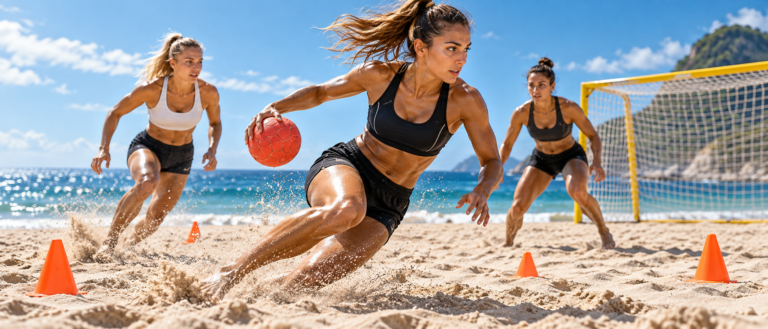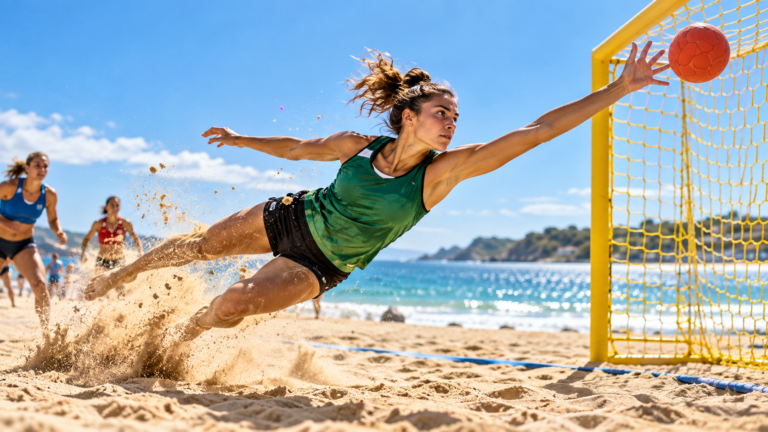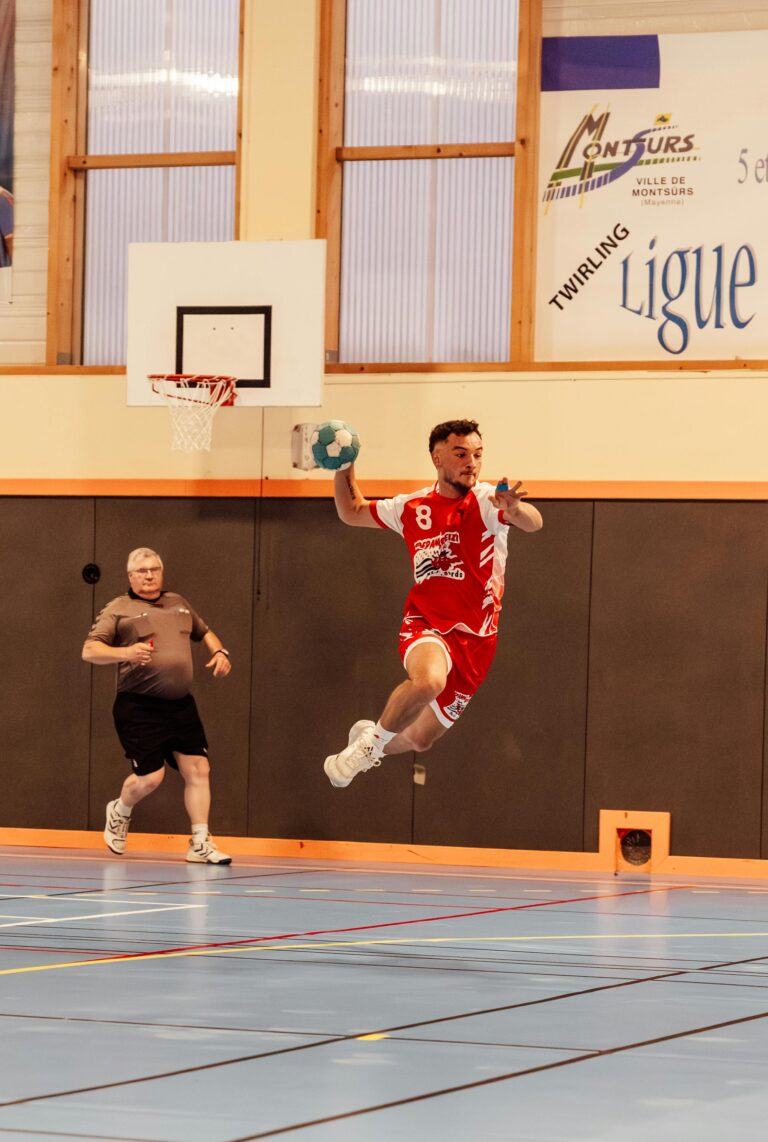
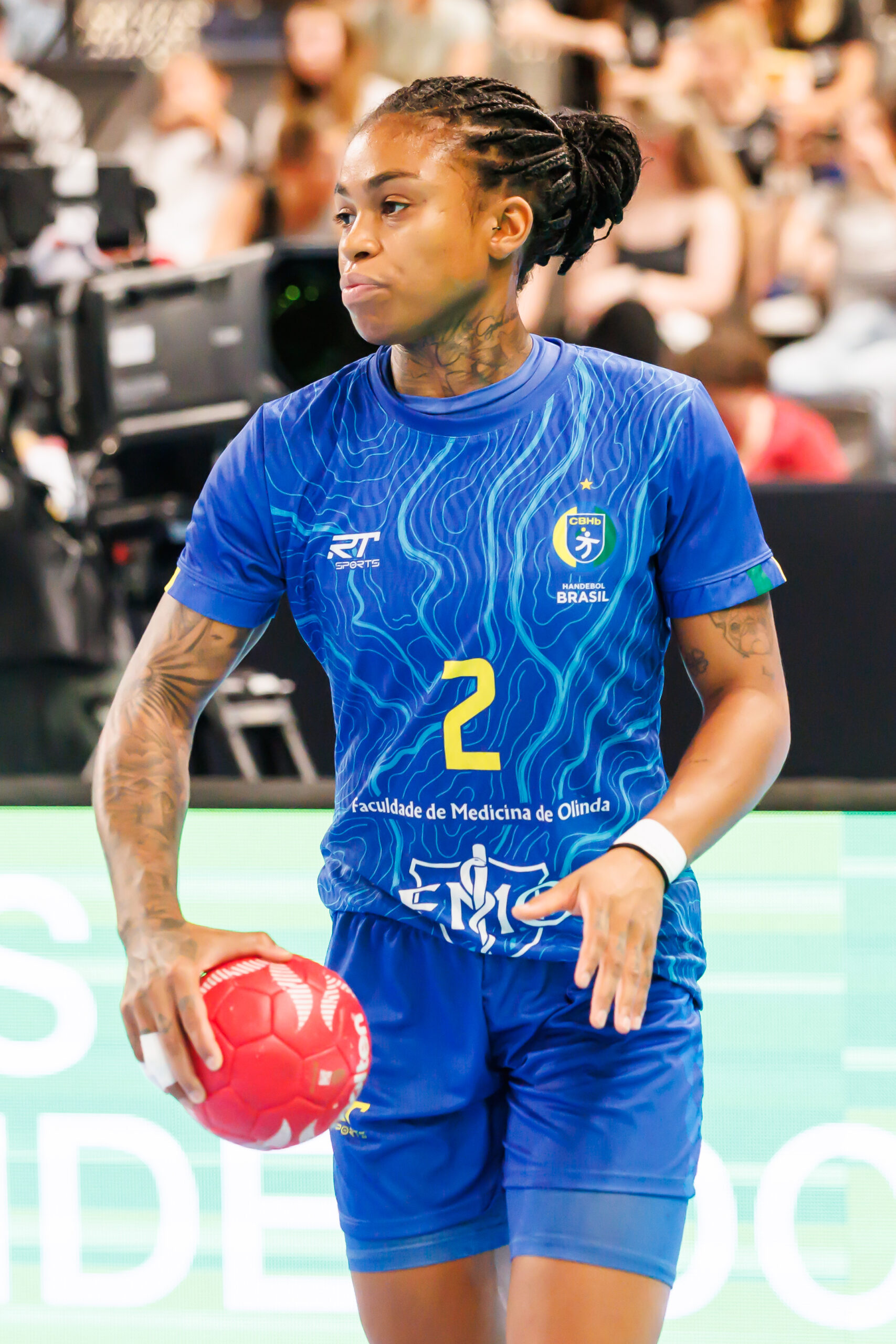
In modern team handball, your kit is more than just a uniform – it’s a performance tool, a brand statement, and a key part of the player experience. Well-designed handball jerseys, shorts, and warm‑ups can support movement, improve comfort, and even give your club a psychological edge on the court.
This guide walks you through everything you need to know about team handball kits: from choosing fabrics and fits to adding custom prints, sponsor logos, and warm‑up layers that actually work under pressure.
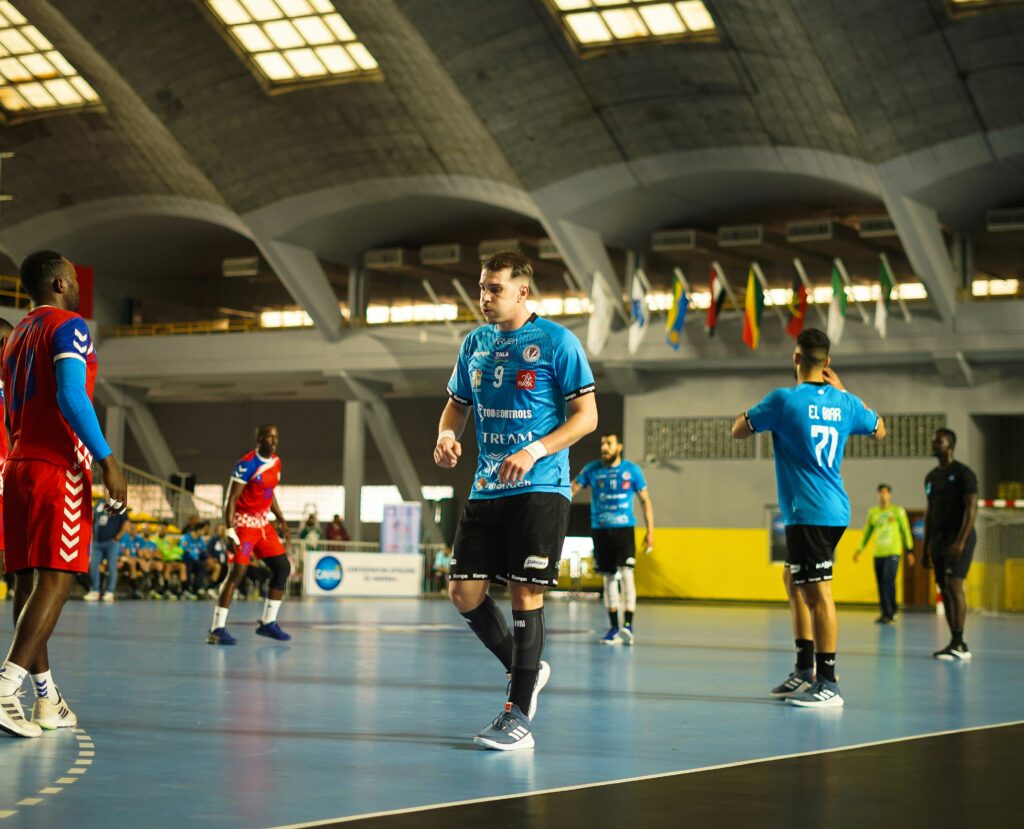
Why Your Team Handball Kit Design Matters
A great handball kit does three important jobs:
- Performance: It supports quick changes of direction, jumps, and throws without restriction.
- Comfort: It keeps players cool, dry, and focused for a full 60 minutes.
- Identity: It makes your team look unified, professional, and memorable to fans and sponsors.
Ignoring kit design or choosing the cheapest option often leads to heavy, sweaty, itchy fabrics, poor sizing, and graphics that peel off mid-season. Investing time in designing a high-performance handball kit pays off over several seasons of use.
Core Components of a Team Handball Kit
Most clubs build their handball uniform around three main components:
- Match jerseys (home and away)
- Handball shorts
- Warm‑ups and outerwear (jackets, hoodies, track pants)
Let’s dive into each piece in detail.
Designing High‑Performance Handball Jerseys
1. Fabric Choices: Breathe, Stretch, Perform
The right fabric is the foundation of a quality handball jersey. You want a balance of breathability, durability, and stretch.
| Fabric Type | Main Benefits | Best For |
|---|---|---|
| Polyester (performance knit) | Lightweight, quick‑dry, durable | Most match jerseys |
| Poly‑spandex blend | Extra stretch, close fit | Elite / fitted jerseys |
| Mesh panels | Maximum ventilation | Underarms, sides, back |
Key tips:
- Look for moisture‑wicking polyester (150-180 g/m² for jerseys is common).
- Add mesh zones in high‑heat areas (armpits, upper back, side panels).
- Choose smooth, anti‑abrasion weaves that withstand contact, grabbing, and falls.
2. Fit and Cut: Built for Handball Movement
Handball is explosive: sudden jumps, shoulder rotation for shooting, tight defensive movements. Your jersey should never restrict these actions.
- Shoulders and sleeves: Raglan or ergonomic sleeves allow free shoulder rotation for passing and shooting.
- Torso: Slightly athletic cut (not too baggy, not skin‑tight) works best for most amateur teams.
- Length: A bit longer at the back keeps the jersey tucked during dives and jumps.
- Neckline: V‑neck or shallow crew neck with soft edging to prevent irritation.
If you have both male and female squads, consider gender‑specific cuts so everyone gets a comfortable, performance‑oriented fit.
3. Graphics, Numbers, and Logos
Custom printing is where your handball club branding comes to life. It also affects durability and comfort, so it’s more than just a style choice.
Printing Methods
- Sublimation printing: The best option for performance.
- Design is dyed into the fabric – no heavy layers.
- Won’t crack, peel, or fade easily.
- Perfect for complex designs, gradients, and full‑color patterns.
- Heat transfer / vinyl: Good for small batches.
- Ideal for adding names and numbers to stock jerseys.
- Can feel heavier and may crack over time if low quality.
- Screen printing: Solid and cost‑effective for simple logos, but less ideal for highly breathable fabrics.
Typography and Visibility
- Choose bold, high‑contrast numbers for referees, audience, and streams.
- Follow your league’s rules for number size and placement (usually front and back).
- Ensure sponsor logos stay clear and legible without overpowering your club identity.
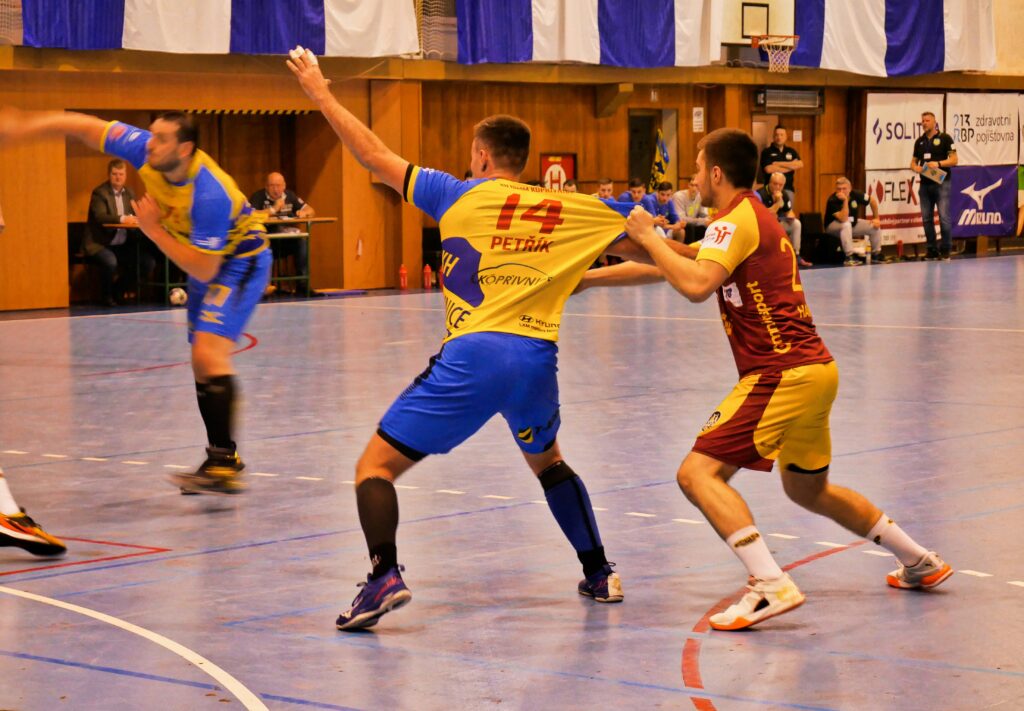
Handball Shorts: Freedom to Jump, Pivot, and Land
Players often notice shorts even more than jerseys. Poorly designed handball shorts can bunch up, restrict movement, or become heavy with sweat.
1. Fabric and Construction
- Use the same or similar polyester fabric as the jersey for consistent feel.
- Include 4‑way stretch panels in the crotch or sides for better mobility.
- Look for flatlock seams to minimize chafing during slides and lateral movements.
2. Fit, Length, and Waistband
- Cut: Athletic fit with room for deep squats and lunges.
- Length: Typically mid‑thigh to just above the knee; shorter cuts favor maximum mobility.
- Waistband: Wide elastic waistband with an internal drawcord for secure fit.
- Lining: Optional mesh lining; some players prefer compression shorts underneath instead.
3. Pockets: Yes or No?
For match shorts, many clubs skip pockets to reduce bulk and grabbing points. For training shorts, side pockets can be convenient for carrying small items before and after practice.
Warm‑Ups and Outerwear: Comfort Before and After the Game
Warm‑up gear is often overlooked, but it’s essential for injury prevention and team presentation. Good handball warm‑ups help players maintain body temperature, especially between warm‑up and kickoff or while sitting on the bench.
1. Types of Warm‑Up Gear
- Warm‑up tops: Lightweight training shirts or long‑sleeve layers.
- Track jackets / hoodies: For pre‑game arrival and team walkouts.
- Track pants: Easy to pull off quickly before entering the court.
| Warm‑Up Item | Ideal Fabric | Main Use |
|---|---|---|
| Lightweight jacket | Polyester with mesh lining | Pre‑game & bench wear |
| Track pants | Stretchy polyester knit | Warm‑up drills |
| Hoodie | Cotton‑poly blend | Travel & off‑court |
2. Functional Details
- Full‑length zips on jackets for fast changes.
- Ankle zips on track pants to pull them off over shoes.
- Light layering so players don’t overheat during dynamic warm‑ups.
- Enough room to wear over the main kit without feeling bulky.
Custom Handball Kit Design: Colors, Branding, and Identity
Your custom handball jerseys and shorts are a chance to build a strong and recognizable club identity.
1. Choosing Colors and Patterns
- Pick two main colors that represent your club (home) plus a strong contrasting color (away).
- Use accent colors carefully (on collar, sleeves, side panels) to avoid visual clutter.
- Maintain color contrast between jersey, shorts, and numbers for readability.
2. Integrating Logo and Sponsor Design
- Place the club crest on the chest (left side is traditional).
- Reserve central chest or front mid‑section for main sponsor logos.
- Use sleeve or back positions for secondary sponsors.
- Ensure sponsors agree with your color scheme so logos remain visible but harmonious.
3. Consistency Across the Whole Kit
To look professional on and off the court, make sure your:
- Jerseys, shorts, and warm‑ups share the same color palette.
- Typography and logo usage follow consistent rules (same fonts and logo versions).
- Training gear and fan merchandise echo the same design language.
Performance Features That Make a Difference
Small details separate an average kit from a great one. Consider adding:
- Ventilation panels: Laser‑cut or mesh zones where players sweat most.
- Anti‑odor treatments: Fabric finishes that reduce odor build‑up.
- Reinforced stitching: Especially around shoulders, sleeves, and short seams.
- Tag‑less labels: Printed or heat‑sealed labels instead of scratchy tags.
- Number and name visibility: Reflective or high‑contrast print for better visibility on video.
Sizing, Ordering, and Managing Your Handball Kit
1. Getting Sizing Right
A professional fit starts with accurate measurements:
- Request a size chart from your supplier (chest, waist, hips, height).
- Organize a fitting session with sample sizes before placing the final order.
- Account for youth, men’s, and women’s cuts if you run multiple teams.
2. Planning Your Order
- Order at least two full kits per player (home and away sets).
- Include spare jerseys and shorts in common sizes for new signings or replacements.
- Ask your supplier about reorder availability (same design next season).
3. Budgeting and Price Factors
Handball kit pricing depends on:
- Quantity (bigger orders lower the cost per kit).
- Printing method (sublimation vs. simple heat transfer).
- Fabric quality and added performance features.
- Customization level (individual names, numbers, extra sponsor logos).
Sustainability and Ethical Choices in Handball Kits
Many clubs now consider the environmental and social impact of their kit choices.
- Choose recycled polyester where available.
- Work with suppliers who provide transparency on factory conditions and certifications.
- Extend kit life with proper care (cool wash, air dry, avoid harsh detergents).
Promoting your eco‑friendly handball kit can also be a powerful message for fans and sponsors who care about sustainability.
Practical Tips for Coaches and Kit Managers
To keep your team handball uniforms in top condition throughout the season:
- Set clear washing guidelines for players and families.
- Keep a kit inventory list with sizes, numbers, and condition notes.
- Label every item with the player’s number to reduce losses.
- Store spare kits and warm‑ups in a dry, ventilated space after matches.
- Schedule kit checks mid‑season to identify damaged items early.
Mini Case Study: Transforming a Local Handball Club’s Kit
Consider a typical scenario: a regional handball club used basic, heavyweight jerseys and generic shorts for years. Players complained about overheating, and sponsors disliked the low visibility of their logos.
When the club finally invested in a custom handball kit redesign, they focused on:
- Switching to a lightweight, moisture‑wicking fabric with mesh side panels.
- Updating to a modern, high‑contrast color scheme using sublimation printing.
- Adding name and number customization to enhance player identity.
- Introducing matching warm‑up jackets and pants for a unified game‑day look.
The results were immediate: players reported feeling cooler and more comfortable, photos looked far more professional, and sponsors renewed their deals because their brands were clearly visible and well integrated into the kit design.
Conclusion: Build a Team Handball Kit That Works as Hard as You Do
A smartly designed team handball kit does much more than meet league rules. It supports every sprint, jump, and shot; keeps players comfortable from warm‑up to final whistle; and gives your club a strong, unified identity on the court.
When planning your next handball jerseys, shorts, and warm‑ups, focus on:
- High‑performance, breathable fabrics.
- Handball‑specific cuts that allow full range of motion.
- Durable, high‑visibility numbering and branding.
- Consistent, professional design across match and warm‑up gear.
- Reliable sizing, ordering, and long‑term kit management.
With a thoughtful approach to design and materials, your team can step onto the court in handball kits that truly perform-helping players feel confident, comfortable, and ready to give their best in every match.