Handball is fast, physical and incredibly exciting to watch or play. But if you’re new to the sport, the whistle can seem to blow every few seconds-and it’s not always obvious why. Understanding handball fouls is essential for players, coaches, referees, and fans who want to enjoy the game while keeping it fair and safe.
In this guide, you’ll learn what counts as a foul in handball, what kind of contact is allowed, typical penalties, and how to avoid unnecessary infringements. Whether you’re a beginner or an experienced player looking to refresh the rules, this article will help you make sense of what is and isn’t allowed in modern team handball.
What Is a Foul in Handball?
In handball, a foul occurs when a player breaks the rules of fair play, safety, or ball handling as defined by the International Handball Federation (IHF) rules. Fouls can involve:
- Illegal physical contact
- Improper use of hands or body
- Rule violations related to steps, dribbling, or the goal area
- Unsportsmanlike behavior or dangerous play
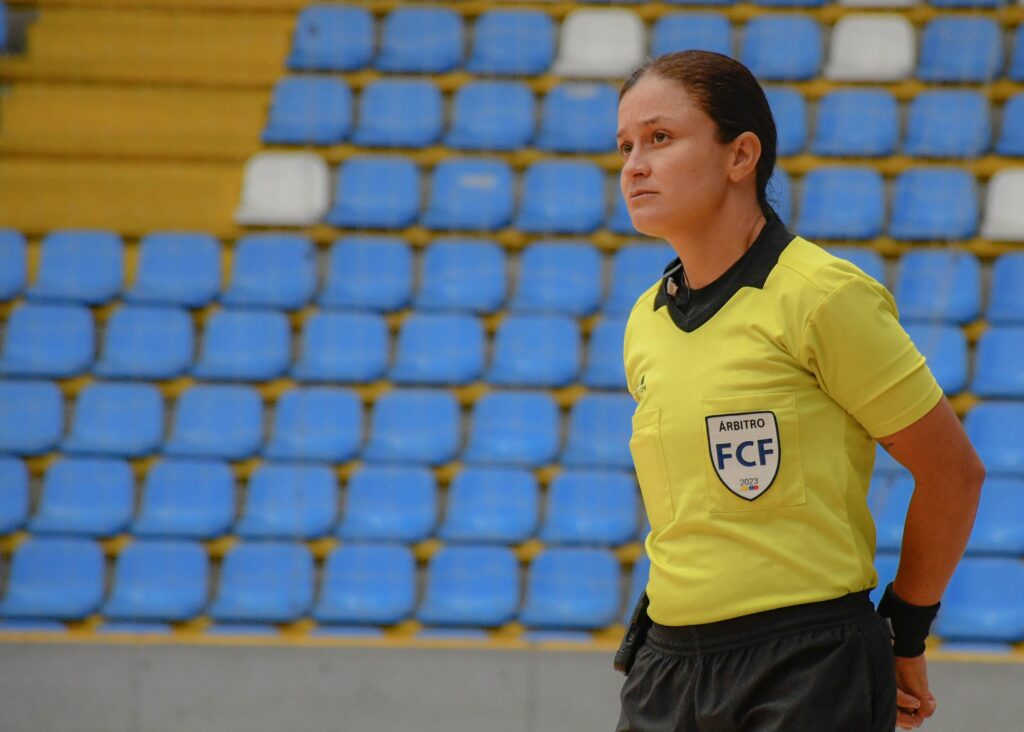
Not every foul leads to a suspension or penalty shot. Many are minor, resulting only in a free throw for the opposing team. The referee’s job is to distinguish between acceptable physical play and fouls that affect safety or fairness.
Legal vs. Illegal Contact in Handball
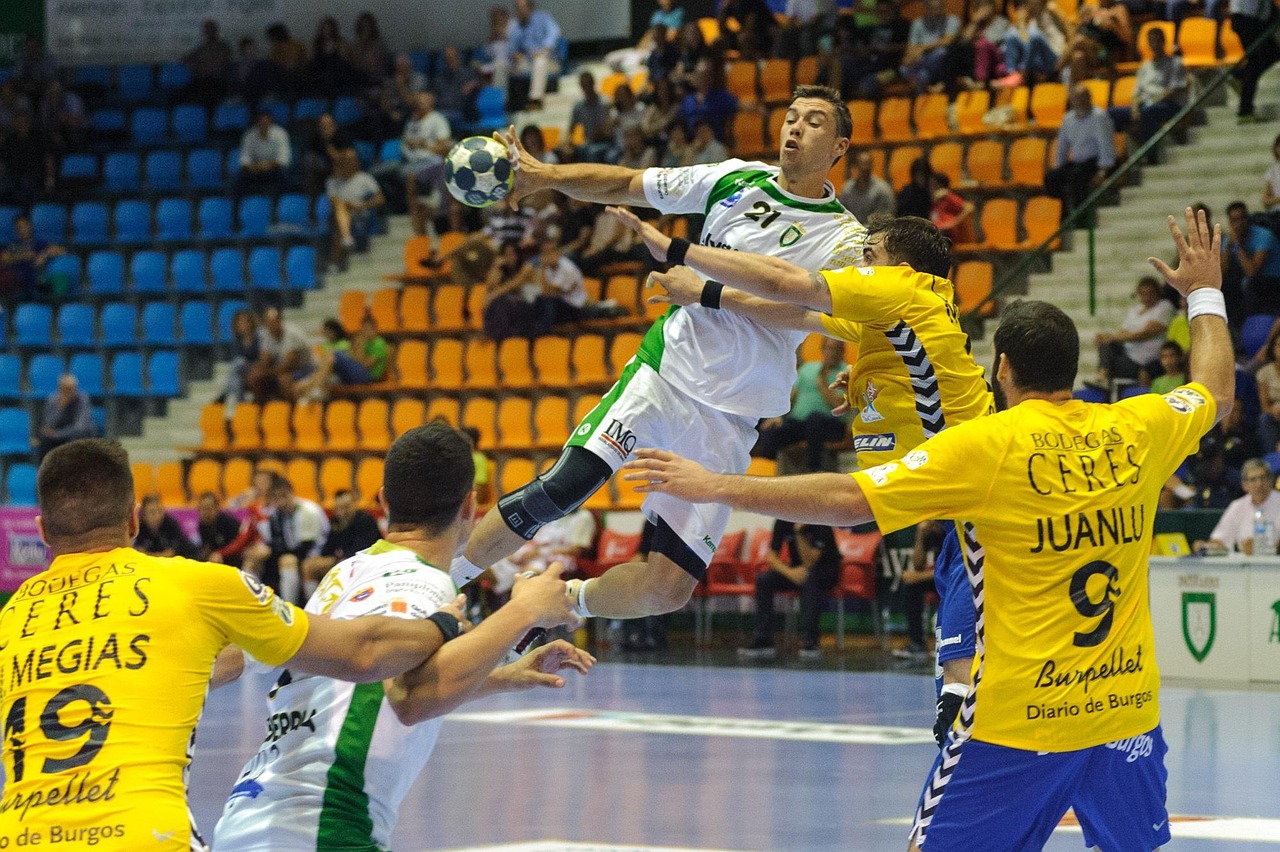
Handball is a contact sport, but the contact must be controlled and aimed at the ball, not at injuring or unfairly stopping the opponent. Knowing the difference between legal and illegal contact is the foundation of understanding handball fouls.
What Contact Is Allowed?
According to standard handball rules, the following types of contact are usually allowed:
- Using your body to block the path of an attacker (standing in front of them, arms bent).
- Contact with the torso of an opponent, as long as it is controlled.
- Using one arm to block or slow an opponent while attempting to play the ball with the other arm.
- Shadow defense where the defender moves with the attacker, maintaining legal body contact.
The key is that the defender tries to prevent a clear chance to shoot without hitting, grabbing, or endangering the attacker.
What Contact Is Not Allowed?
Contact becomes a foul when it is dangerous, excessive, or clearly aimed at the player instead of the ball. Common examples of illegal contact in handball include:
- Hitting or attempting to hit an opponent
- Pulling, grabbing, or holding the jersey or arm
- Pushing an opponent, especially from behind
- Jumping into an opponent or charging with excessive force
- Tackling at or above the neck
- Tripping or attempting to trip an opponent
These actions will typically result in a free throw, and depending on the severity or repetition, a yellow card, 2-minute suspension, or even a red card (disqualification).
Common Types of Handball Fouls
To help you quickly identify typical infractions, here are the most common types of handball fouls you’ll see in games.
1. Defensive Fouls
Defensive fouls happen when defenders use illegal methods to stop or slow attackers.
- Holding or grabbing: Restricting the movement of a player using hands or arms.
- Pushing: Using both hands or body weight to displace an opponent.
- Hitting the shooting arm: Striking downward or sideward on the arm instead of trying to block the ball.
- Dangerous blocks: Running into jumping attackers or undercutting them.
Most defensive fouls lead to a free throw from the 9-meter line, unless the attacker was prevented from a clear scoring chance, in which case the referee may award a 7-meter penalty throw.
2. Offensive Fouls (Charging)
Attackers can also commit fouls. The most frequent offensive foul in handball is charging, when an attacker:
- Runs straight into a stationary defender who has established position
- Uses the free arm or shoulder to push away a defender
- Jumps into a defender instead of toward the goal
In such cases, the referee awards a free throw to the defending team. Offensive fouls can be subtle, but they are vital for keeping play fair and preventing reckless drives into defenders.
3. Foot and Dribbling Violations
Not all fouls involve contact. Some are basic technical errors:
- Foot foul: Touching or controlling the ball with the foot or lower leg (below the knee), except if it was thrown into you by an opponent.
- Double dribble: Dribbling, holding the ball, then dribbling again.
- Traveling (steps): Taking more than three steps without dribbling or passing/shooting within three seconds.
These infractions are usually punished with a free throw for the other team, but rarely with suspensions or cards unless there is deliberate time-wasting or unsportsmanlike intent.
4. Goal Area and Goalkeeper-Related Fouls
The 6-meter goal area is a special zone. Entering it incorrectly or interfering with the goalkeeper can lead to key fouls:
- Attacker in the goal area: A field player cannot step into the goalkeeper’s area to gain an advantage. If they score from inside, the goal is disallowed.
- Defender in the goal area: If a defender illegally enters the area and prevents a clear scoring chance, it can result in a 7-meter penalty.
- Goalkeeper leaving area with the ball: The goalkeeper cannot take the ball outside the area and then step back with it.
Because many decisive actions happen near the 6-meter line, understanding these fouls is essential for both attackers and defenders.
Disciplinary Actions: Cards, Suspensions, and Penalties
Not all handball fouls are equal. Referees use a well-defined system to keep the game under control and protect players.
| Sanction | When It’s Used | Main Effect |
|---|---|---|
| Verbal Warning | First minor fouls or protests | No formal punishment |
| Yellow Card | Unsportsmanlike or repeated minor fouls | Official warning |
| 2-Minute Suspension | Serious fouls, repeated offenses | Team plays with one fewer player |
| Red Card | Very dangerous fouls or 3 suspensions | Player is disqualified from the game |
| Blue Card | Extremely serious, reportable offenses | Red card plus written report |
Free Throw vs. 7-Meter Penalty
One of the most important distinctions when analyzing handball fouls is the difference between a free throw and a 7-meter penalty throw:
- Free throw: Awarded for most common fouls and rule violations. Taken from the spot of the foul or from the 9-meter line.
- 7-meter penalty: Awarded when a clear scoring chance is illegally prevented (e.g., a foul from behind on a free shot at goal, defender in the goal area preventing a direct goal).
The 7-meter throw is one of the biggest punishments in handball defense, so smart defenders try to avoid fouls that convert into penalty shots.
Unsportsmanlike Conduct and Serious Fouls
Some actions go beyond normal physical play and count as unsportsmanlike or dangerous fouls. These are taken very seriously to protect players and the spirit of the game.
Examples of Unsportsmanlike Behavior
- Deliberately delaying the restart of play
- Protesting decisions aggressively or disrespectfully
- Feigning injury or exaggerating contact
- Verbally insulting opponents, referees, or spectators
Such behavior often leads to yellow cards or 2-minute suspensions, and in persistent or severe cases, a red card.
Examples of Serious or Dangerous Fouls
- Hitting an opponent in the face or neck
- Pulling an opponent mid-air, risking a dangerous fall
- Tackles from behind on a fast break
- Intentionally trying to injure an opponent
These fouls often result in direct red cards and, in some leagues, further suspensions across future games.
Handball Fouls: Quick Reference Table
| Situation | Type of Foul | Typical Decision |
|---|---|---|
| Defender holds shooter’s arm | Defensive foul | Free throw or 7m if clear chance |
| Attacker runs into standing defender | Offensive foul (charging) | Free throw for defense |
| Player takes 4 steps without dribbling | Technical foul (traveling) | Free throw for opponents |
| Defender pushes attacker from behind on fast break | Serious foul | 7m + 2-minute or red card |
| Attacker steps in goal area and scores | Goal-area violation | No goal; free throw for defense |
How to Avoid Fouls in Handball: Practical Tips
Reducing unnecessary fouls improves your team’s defense and keeps key players out of suspension trouble. Here are some practical, game-tested tips.
Tips for Defenders
- Play with bent arms: Keep your arms bent in front of your body to block and guide attackers instead of grabbing.
- Move your feet, not just your hands: Good positioning reduces the need for risky last-second tackles.
- Aim for the ball, not the body: Try to intercept passes and block shots instead of hitting arms.
- Stay side-on when possible: Sideways stance helps absorb contact and avoid obvious pushes.
- Learn to “take” contact: Use your torso to absorb impact without falling theatrically or reacting aggressively.
Tips for Attackers
- Use your body legally: Shield the ball with your body but avoid pushing defenders with your free arm.
- Read the defender’s position: If they’re already set, attacking straight into them can result in an offensive foul.
- Jump toward the goal, not into the defender: Refs often whistle when contact looks like you’re initiating it.
- Control your landing: Avoid landing too close to defenders to reduce risky collisions.
Tips for Coaches and Teams
- Include “defense without fouling” drills in every practice.
- Use video analysis to review fouls and understand what triggered the referee’s decision.
- Teach players to accept calls and reset mentally instead of arguing.
- Rotate players smartly when someone is close to a third 2-minute suspension.
Why Understanding Handball Fouls Matters
Knowing what is and isn’t allowed in handball has several important benefits:
- Better performance: Teams that foul less tend to give up fewer penalty throws and play more minutes at full strength.
- Injury prevention: Playing within the rules protects both you and your opponents from dangerous impacts.
- Cleaner, faster games: Fewer stoppages mean more rhythm, more fast breaks, and more enjoyment for everyone.
- Improved referee relations: When players understand handball foul rules, there are fewer arguments and less frustration.
For referees and coaches, a clear grasp of handball fouls also helps in educating younger players and building a strong culture of respect on and off the court.
Common Questions About Handball Fouls
Is all contact in handball a foul?
No. Handball is a contact sport. Legal, controlled body contact aimed at stopping the attacker fairly is allowed. It becomes a foul when it is excessive, dangerous, or clearly targeting the player, not the ball.
When is a 7-meter throw awarded?
A 7-meter penalty is awarded when a clear scoring opportunity is illegally prevented by a foul or rule violation-such as pulling back a shooter from behind or blocking a certain goal with an illegal action.
Can you hit the ball out of someone’s hand?
You can attempt to hit or block the ball in a controlled way, but you cannot strike the opponent’s arm or hand in a dangerous manner. Repeated or forceful hits on the arm are usually called as fouls.
Is stepping into the goal area always a foul?
For field players, stepping into the goal area to gain advantage (like scoring from inside) is a foul. However, if you enter after shooting due to momentum and do not interfere with the goalkeeper, the goal can still count, depending on the situation and rule interpretation.
Conclusion: Play Hard, Play Fair
Understanding handball fouls-what is and isn’t allowed-transforms the way you experience the sport. You start to see the strategy behind defensive positioning, the timing of attacks, and the importance of controlled physical play.
By learning the differences between legal and illegal contact, recognizing common fouls, and respecting disciplinary actions, you can:
- Improve your personal performance
- Help your team avoid unnecessary suspensions and penalties
- Contribute to a safer, fairer, and more enjoyable handball environment
Next time you step onto the court-or watch a match from the stands-you’ll understand exactly why the whistle blows, when a 7-meter penalty is justified, and how the best teams defend aggressively without crossing the line.
Play hard, play smart, and most importantly: play within the rules.