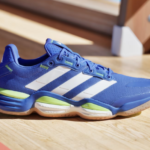
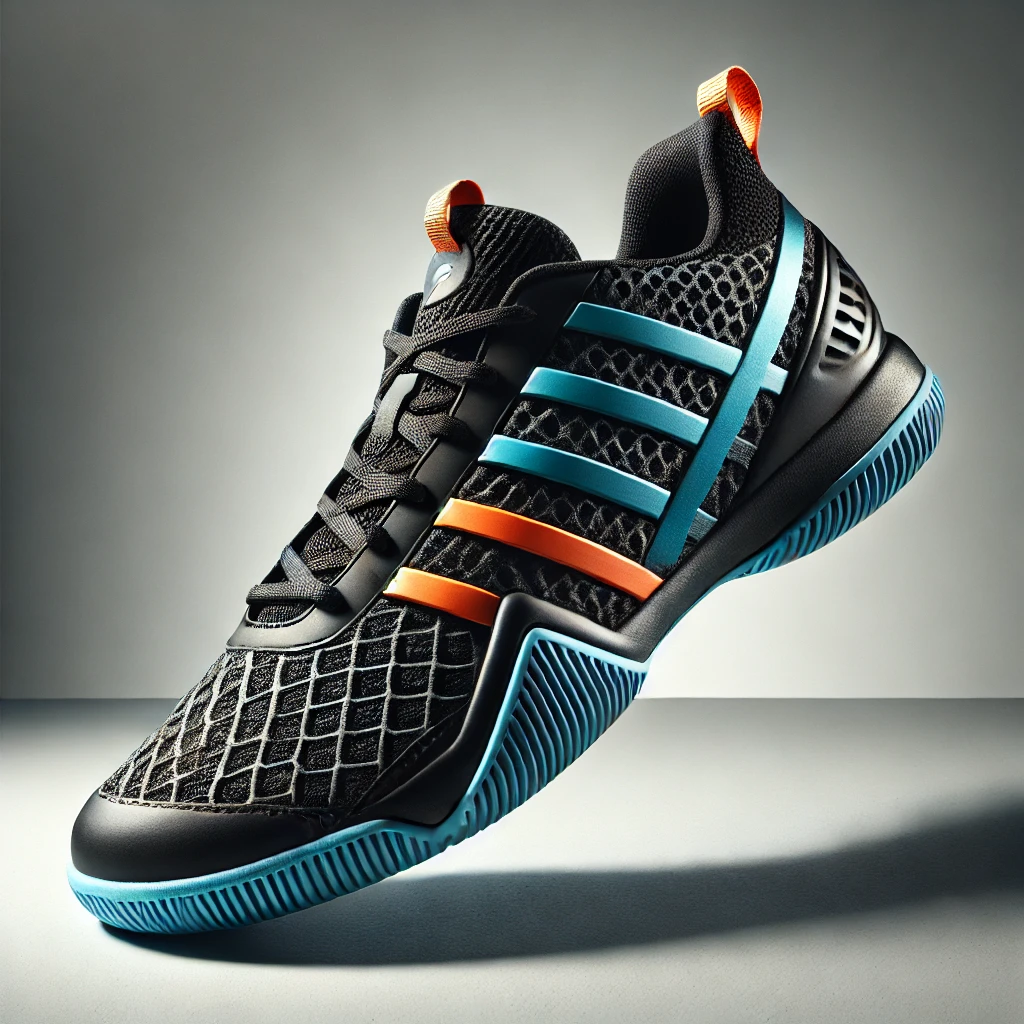
Choosing the best indoor handball shoes can be the difference between dominating on the court and constantly fighting for balance, speed, and comfort. Whether you play competitively or just for fun, the right shoes will boost your performance, protect your joints, and help prevent injuries. This guide breaks down exactly what to look for in terms of grip, support, and cushioning, while also covering durability, fit, and practical buying tips.
If you are searching for top indoor handball shoes or want to understand how handball footwear differs from regular indoor trainers, you’re in the right place.
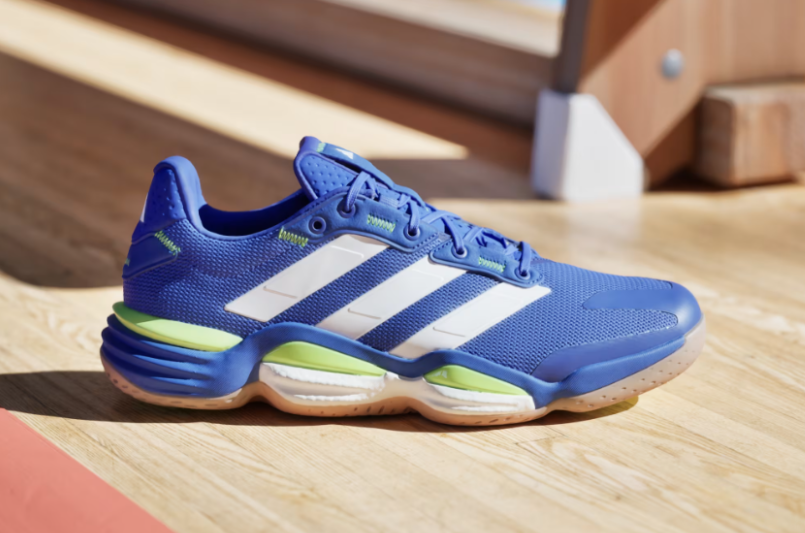
Why the Right Indoor Handball Shoes Matter
Handball is one of the most explosive indoor sports. It demands:
- Rapid changes of direction
- Short sprints and sudden stops
- Vertical jumps for shooting and blocking
- Frequent physical contact and off-balance landings
All of this puts tremendous pressure on your feet, ankles, knees, and hips. The best shoes for indoor handball are designed to handle this stress by offering:
- Superior traction on wooden or synthetic indoor courts
- Lateral stability to support side-to-side movements
- Impact protection for jumps and hard landings
- Breathability for intense, fast-paced matches
Playing in generic indoor shoes or running shoes may save money initially, but it can cost you in terms of performance and injury risk. Let’s break down the core elements you should focus on: grip, support, and cushioning.
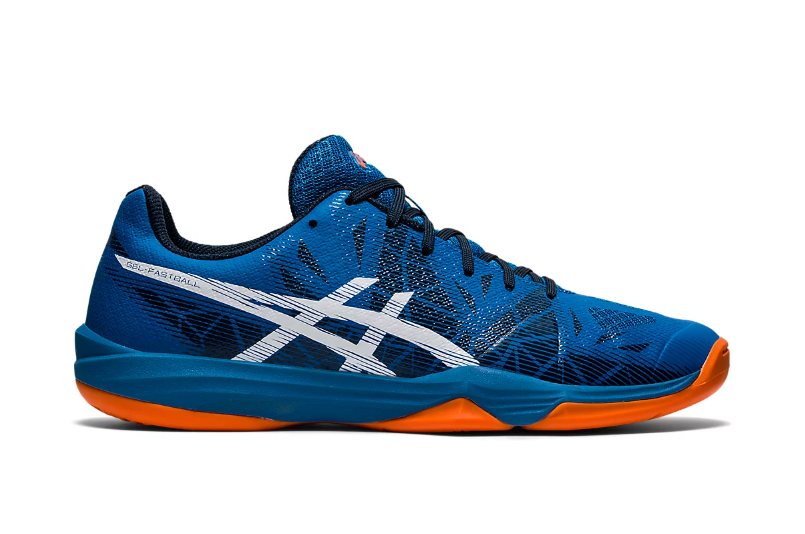
Core Features of the Best Indoor Handball Shoes
1. Grip: Non-Marking Outsoles and Court Traction
Grip is the most crucial factor for handball footwear. Good traction lets you accelerate quickly, brake safely, and change direction without slipping.
What to Look for in Grip
- Non-marking rubber outsole: Essential for indoor sports halls. It protects the floor and usually offers better court traction.
- Soft, tacky rubber compounds: Slightly softer rubbers generally grip the court better than hard compounds.
- Multi-directional tread pattern: Look for grooves and patterns that support lateral movements, pivots, and diagonal cuts.
- Wide contact area: A broader surface area increases friction and stability, especially when landing or planting your foot to change direction.
Common Grip Mistakes to Avoid
- Using outdoor shoes with rough, marking soles (they often slip more and damage the floor).
- Wearing running shoes with curved soles; they’re built for forward motion, not sudden stops and lateral cuts.
- Not cleaning the outsole regularly: dust and sweat can reduce grip over time.
2. Support: Lateral Stability and Ankle Protection
Support is what keeps your feet aligned and your ankles protected when the game gets intense. Handball involves aggressive sidesteps, feints, and body contact; proper support helps prevent rolled ankles and knee strain.
Key Support Features
- Stiff heel counter: The solid structure at the back of the shoe that keeps your heel in place during cuts and jumps.
- Lateral overlays: Extra material around the midfoot and sides to hold your foot securely when you push off sideways.
- Midfoot shank or torsion bar: A stabilizing element in the midsole to prevent the shoe from twisting excessively.
- Secure lacing system: Allows you to lock in your foot without pressure points.
- Option of mid-cut models: Some players, especially backcourt players, prefer a slightly higher ankle collar for more perceived protection.
Strong support doesn’t mean the shoe has to feel rigid. The best handball shoes combine support with natural flexibility in the forefoot so you can still move freely.
3. Cushioning: Shock Absorption for Jumps and Landings
Handball puts a lot of vertical load on your joints due to constant jumping and landing. Quality cushioning absorbs the shock, reducing stress on ankles, knees, and hips.
Types of Cushioning Technologies
- EVA foam: Lightweight, common in many sports shoes. Good balance of cushioning and responsiveness.
- Gel, air, or specialized foam units: Often placed in heel and forefoot to soften landings and improve comfort.
- Dual-density midsoles: Firmer foam on the sides for stability, softer foam underfoot for comfort and absorption.
How Much Cushioning Do You Need?
- Heavier players usually benefit from more cushioning and a slightly thicker midsole.
- Backcourt players who jump frequently often prefer extra heel and forefoot cushioning.
- Fast wingers and playmakers might choose a more responsive, slightly firmer cushioning for explosive speed.
The goal is to find a shoe that feels protective but not squishy. Too much softness can reduce stability and court feel.
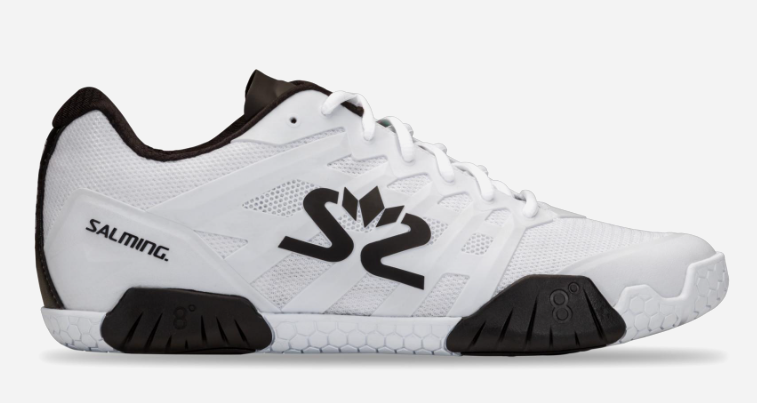
Other Important Factors When Choosing Indoor Handball Shoes
Fit and Comfort
Even the best indoor handball shoes are useless if they don’t fit your feet properly. Poor fit leads to blisters, black toenails, and lost agility.
- Length: Aim for a thumb’s width (about 5-8 mm) between your longest toe and the end of the shoe.
- Width: Your foot should feel locked in without pinching; no pressure points on the sides or little toes.
- Heel lockdown: Minimal heel slippage when you sprint or jump.
- Arch support: Choose models that match your arch type or allow you to add custom insoles.
Breathability and Materials
Indoor courts get hot quickly. Breathable uppers help keep your feet cool and reduce moisture, which can otherwise lead to blisters and bad odor.
- Mesh panels in upper areas for ventilation.
- Synthetic overlays in high-wear zones (toes, medial side) for durability.
- Moisture-wicking linings to keep sweat under control.
Durability vs. Weight
There’s always a trade-off between lightweight performance and long-term durability. The best shoes for handball hit a sweet spot.
- Lighter shoes feel faster and more agile but may wear out quicker.
- More robust models last longer but can feel slightly heavier.
If you play multiple times per week at a high level, consider investing in two pairs of indoor handball shoes and rotating them. This helps the cushioning recover and often extends the lifespan of both pairs.
Comparison Table: Key Features in Indoor Handball Shoes
| Feature | Why It Matters | What to Look For |
|---|---|---|
| Outsole Grip | Prevents slipping on indoor courts | Non-marking rubber, multi-directional pattern |
| Lateral Support | Protects ankles during side cuts | Strong heel counter, side overlays, firm midsole edges |
| Cushioning | Reduces impact from jumps | EVA or gel/air units in heel and forefoot |
| Fit & Lockdown | Enhances control and comfort | Secure lacing, snug heel, enough toe space |
| Breathability | Keeps feet cool and dry | Mesh upper, ventilated tongue |
| Durability | Withstands training and matches | Reinforced toe, side overlays, solid stitching |
How Your Playing Position Affects Shoe Choice
Not every player has the same needs. To pick the best handball shoes for your style, consider your position and movement pattern.
Backcourt Players (Left/Right Back, Centre Back)
- Frequent long-range jumps and landings
- Strong physical contact and drive actions
- Need a mix of cushioning, support, and stability
Best features: Excellent cushioning in heel and forefoot, rigid midfoot support, durable upper.
Wingers
- Explosive sprints on the flanks
- Quick changes of direction in small spaces
- Fast take-offs and landings from sharp angles
Best features: Lightweight shoes, very good grip, responsive (not overly soft) cushioning for speed.
Pivots (Line Players)
- Constant contact with defenders
- Frequent pushing, shoving, and off-balance landings
- Need maximum stability and durability
Best features: Strong lateral support, robust upper construction, slightly wider base for stability.
Goalkeepers
- Rapid lateral movements and stretches
- Less jumping, more reflex-based positioning
Best features: Exceptional grip for lateral slides and push-offs, flexible forefoot, stable yet comfortable fit.
Practical Tips for Buying Indoor Handball Shoes
1. Try Shoes Later in the Day
Your feet naturally swell during the day and during training sessions. Trying shoes in the afternoon or evening gives a more realistic idea of match-time fit.
2. Wear Your Handball Socks
Always test new shoes with the same socks you wear during training or games. Thicker socks can significantly change the fit.
3. Check Court Rules
Some sports halls have strict rules about non-marking soles and specific colors. Make sure your chosen model complies to avoid problems on game day.
4. Break Them In Gradually
- Use your new shoes for a short training session first.
- Alternate with your old pair during the first week.
- Check for hot spots or pressure points and adjust lacing accordingly.
5. Replace Shoes at the Right Time
Even if the upper still looks fine, the cushioning and grip can be worn out. Common signs you need new shoes:
- Frequent slipping even on clean floors
- Pain in knees or shins after normal sessions
- Visible cracks or smooth spots on the outsole
- Flattened or compressed midsole
Simple Maintenance Tips to Extend Shoe Life
- Clean the outsole regularly with a damp cloth to remove dust and improve grip.
- Air them out after each session; do not leave them in a closed bag overnight.
- Avoid direct heat sources like radiators; they can damage the glue and materials.
- Use them only indoors to keep the non-marking sole in good condition.
Sample Feature Checklist for Your Next Pair
| Category | Minimum Requirement | Ideal for Advanced Players |
|---|---|---|
| Grip | Non-marking sole, basic pattern | Soft, tacky rubber, multi-directional grip zones |
| Support | Decent heel counter, snug fit | Reinforced sides, torsion bar, strong heel lock |
| Cushioning | Standard EVA midsole | Advanced foam or gel units, targeted impact zones |
| Weight | Not excessively heavy | Lightweight build tuned to position and style |
| Breathability | Basic mesh panels | Engineered mesh, moisture-wicking liner |
| Durability | Reinforced toe | Extra overlays in high-wear zones, strong stitching |
FAQs About Indoor Handball Shoes
Can I use volleyball or indoor court shoes for handball?
Yes, many indoor court shoes designed for volleyball or squash share similar features: non-marking soles, cushioning, and lateral support. However, shoes marketed specifically as handball shoes are often optimized for the sport’s unique mix of jumping, contact, and quick cuts.
How long do indoor handball shoes last?
For players training 2-3 times per week, a good pair typically lasts one competitive season (8-12 months). High-level or heavier players may need replacements more often, especially if grip and cushioning degrade.
Are more expensive shoes always better?
Higher-priced models often include premium materials and advanced cushioning technologies, but they’re not automatically the best choice for every player. Fit, comfort, and your playing style matter more than price alone.
Conclusion: How to Choose the Best Indoor Handball Shoes
Finding the best indoor handball shoes is about balancing grip, support, and cushioning with your individual needs, playing position, and budget. Focus on:
- Outstanding traction from a non-marking, multi-directional outsole.
- Solid lateral support through heel counters, overlays, and a stable midsole.
- Reliable cushioning that protects your joints without sacrificing responsiveness.
- A precise, comfortable fit that locks your foot in place and allows natural movement.
- Breathable and durable construction to handle intense training and competition.
Take the time to test different models, pay attention to how they feel during dynamic movements, and use the checklists above as a guide. With the right pair of indoor handball shoes, you’ll not only feel safer on the court but also move faster, jump higher, and play with more confidence every single game.