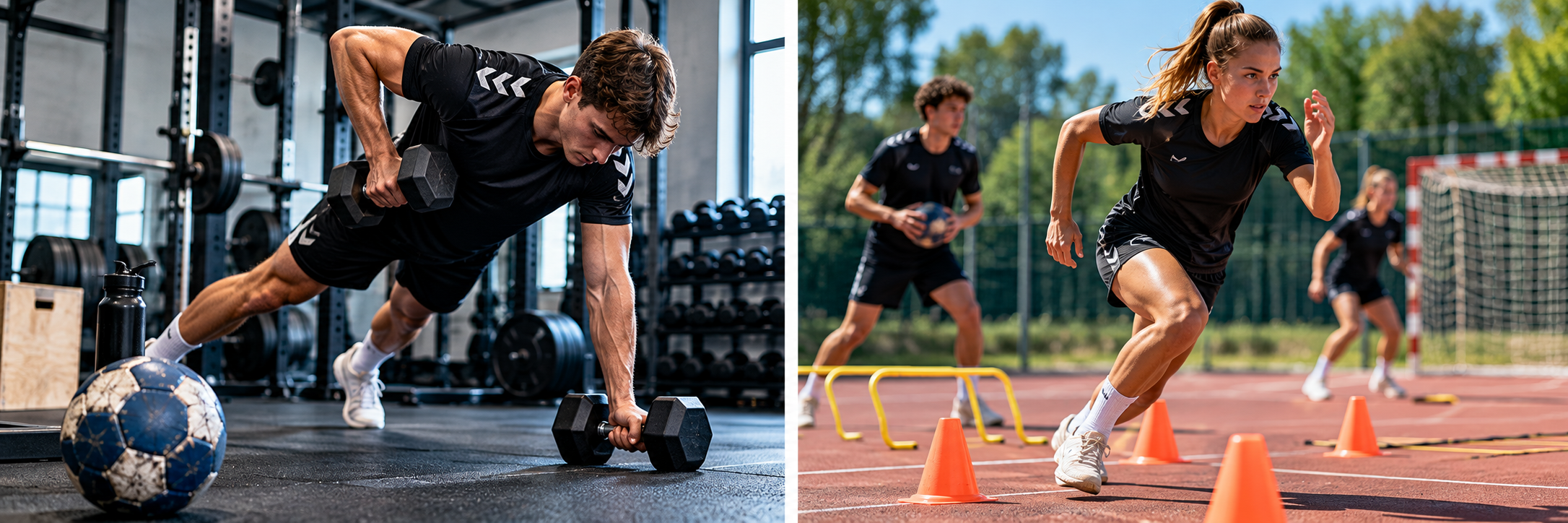
Staying fit for a whole handball season is very different from getting fit for a one‑off tournament. You need a smart, season‑long handball fitness plan that builds your conditioning, protects you from injury, and keeps you sharp for peak match performance. In this guide, you’ll discover how to structure your training from pre‑season to play‑offs, including strength, endurance, speed, agility, and recovery.
Whether you’re a player, coach, or strength & conditioning enthusiast, this article will help you design a practical and effective handball conditioning program that supports elite‑level performance all season long.
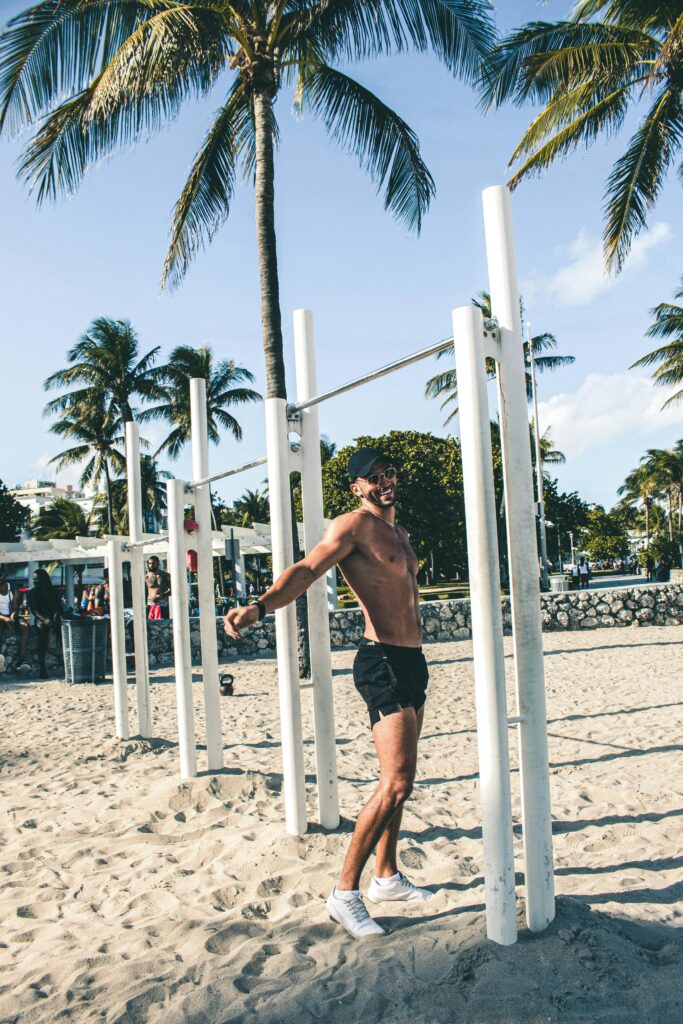
Why a Season‑Long Handball Fitness Plan Matters
Handball is one of the most physically demanding team sports: high‑intensity sprints, repeated jumps, fast changes of direction, and heavy contact. Without a structured year‑round plan, players often experience:
- Early‑season fatigue and poor match fitness
- Mid‑season overuse injuries and burnout
- Loss of strength and power in the final, decisive matches
A well‑designed season‑long conditioning plan for handball helps you:
- Build a strong physical base in pre‑season
- Maintain and fine‑tune performance during the competitive phase
- Recover properly and return stronger in the off‑season
Key Fitness Components for Handball Match Performance
To optimize handball performance, your training must target several physical qualities at once. The best handball fitness programs integrate:
1. Aerobic Endurance
A strong aerobic base allows you to recover between sprints, maintain defensive intensity, and keep decision‑making sharp in the last minutes of a tight game.
- Moderate‑intensity runs (20-40 minutes)
- Small‑sided games at controlled pace
- Interval runs (e.g., 4 × 4 minutes at 80-85% HRmax)
2. Anaerobic Capacity & Repeated Sprint Ability
Handball is full of short, explosive actions. You must repeatedly accelerate, jump, and shoot with near‑maximal intensity.
- Repeated sprint training (e.g., 10-15 × 20-30 m sprint with short recovery)
- High‑intensity interval training (HIIT)
- Plyometric circuits (jumps, bounds, lateral hops)
3. Strength & Power
Strength is your foundation for power, contact resilience, and injury prevention. Power converts that strength into fast, explosive movements like jumps and throws.
- Lower‑body strength: squats, deadlifts, lunges
- Upper‑body strength: bench press, rows, push‑ups, pull‑ups
- Power: jump squats, medicine ball throws, Olympic lift variations (for experienced athletes)
4. Speed & Agility
Handball speed is multi‑directional: accelerating, braking, and changing direction quickly in tight spaces.
- Short sprints (5-30 m)
- Agility drills with cones, ladders, and reaction cues
- Position‑specific movement patterns (wing runs, pivot contacts, backcourt accelerations)
5. Mobility, Stability & Injury Prevention
Shoulders, knees, and ankles are especially vulnerable in handball. Integrate prehab to stay healthy over the full season.
- Shoulder stability and rotator cuff work with bands
- Hip/knee control exercises (single‑leg squats, glute bridges)
- Dynamic mobility and stretching for hips, hamstrings, calves, and thoracic spine
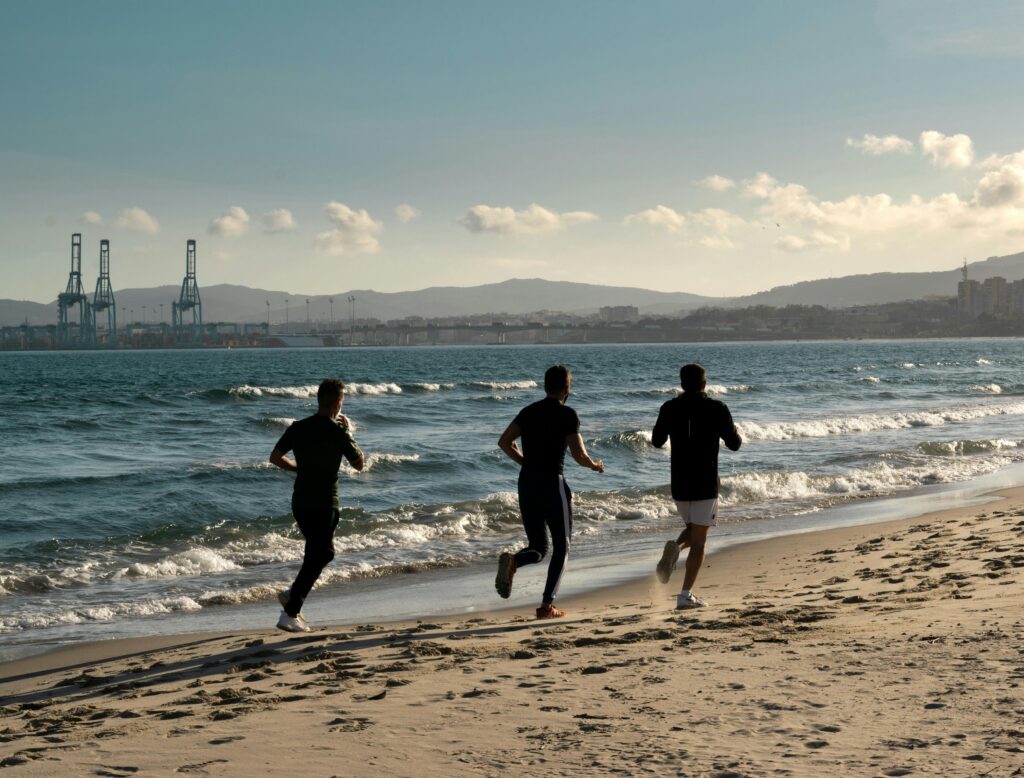
Season‑Long Structure: Phases of a Handball Fitness Plan
A smart season‑long plan is usually divided into four phases:
- Off‑Season (4-8 weeks): Recovery and general preparation
- Pre‑Season (6-10 weeks): Build the performance base
- In‑Season (6-9 months): Maintain performance and manage load
- Play‑Off / Peak Phase (2-4 weeks): Fine‑tune for critical matches
Below is an example overview of how training priorities change across the season:
| Phase | Main Goal | Strength Focus | Conditioning Focus |
|---|---|---|---|
| Off‑Season | Recover & rebuild base | Technique & general strength | Low-moderate aerobic work |
| Pre‑Season | Prepare for match demands | Heavy strength & power | HIIT & repeated sprints |
| In‑Season | Maintain & stay fresh | Short, intense lifts | Game‑specific intervals |
| Play‑Off | Peak performance | Low volume, explosive | Short, sharp conditioning |
Off‑Season: Recovery and General Conditioning
The off‑season is your chance to heal, reset, and quietly build the base for the coming year. Don’t skip it.
Key Objectives
- Recover physically and mentally from the past season
- Address injuries and movement limitations
- Develop general strength and aerobic capacity
- Maintain light technical work without heavy contact
Sample Weekly Structure (Off‑Season)
- 2 strength sessions (full‑body, moderate loads)
- 2-3 aerobic sessions (30-45 minutes: cycling, running, swimming)
- Daily mobility (10-15 minutes)
- 1 light handball session (skills & fun games)
Focus on variety and enjoyment: hike, play beach volleyball, or go for a bike ride. The goal is to stay active while giving joints and nervous system a break from intense competition.
Pre‑Season Handball Conditioning Plan
Pre‑season is where your handball fitness plan for match performance gets serious. Training volume and intensity increase to prepare your body for weekly competition.
Key Objectives
- Develop maximal strength and power
- Build specific handball endurance and repeated sprint ability
- Increase speed, agility, and contact tolerance
- Reintegrate full tactical and technical training
Sample Weekly Schedule (Pre‑Season)
| Day | Morning | Evening |
|---|---|---|
| Monday | Strength (lower body) | Handball skills + small‑sided games |
| Tuesday | Speed & agility | Conditioning (HIIT / intervals) |
| Wednesday | Active recovery & mobility | Light technical session |
| Thursday | Strength (upper body) | Tactical game training |
| Friday | Repeated sprint training | Set plays + finishing |
| Saturday | Friendly match or intense game simulation | |
| Sunday | Rest or light recovery | |
Example Pre‑Season Strength Session
- Warm‑up (10-15 minutes)
- Dynamic mobility (hips, ankles, shoulders)
- Activation: mini‑band walks, glute bridges, scapular push‑ups
- Main lifts (3-5 sets of 4-6 reps)
- Back squat or front squat
- Romanian deadlift
- Bench press or push‑ups with weight
- Barbell row or pull‑ups
- Power & plyometric block (2-3 sets)
- Box jumps or countermovement jumps
- Medicine ball chest pass and rotational throws
- Accessory & prehab (2-3 sets of 10-15 reps)
- Single‑leg squats or Bulgarian split squats
- Core work (planks, Pallof press)
- Rotator cuff and scapula stability exercises
Example Pre‑Season Conditioning Session
- Repeated Sprint Example: 2-3 blocks of 8 × 20 m sprint, 20-25 seconds rest. 2-3 minutes between blocks.
- High‑Intensity Intervals: 10 × 30 seconds intense running / 30 seconds jog or walk.
- Handball‑Specific Game: 4 vs 4 or 5 vs 5 on reduced court, 4 × 4 minutes with 2 minutes rest.
In‑Season Handball Fitness and Load Management
During the competitive season, your focus shifts from building fitness to maintaining it and staying fresh for matches. Overloading players at this stage often leads to fatigue, injuries, and poor performance.
Key Objectives
- Maintain strength, power, and speed with minimal time
- Use handball training and matches as primary conditioning
- Manage weekly training load based on match schedule
- Prioritize recovery strategies
Typical In‑Season Week (Single Match Weekend)
| Day | Focus | Notes |
|---|---|---|
| Monday | Recovery + light technical | Mobility, easy passing, shooting |
| Tuesday | Strength + tactical | Short full‑body strength (30-40 min), then team practice |
| Wednesday | High‑intensity game work | Small‑sided games, transitions, conditioning |
| Thursday | Speed & set plays | Short speed drills, special situations |
| Friday | Pre‑match activation | Light shooting, tactics, brief mobility |
| Saturday | Match day | Warm‑up + game |
| Sunday | Rest or gentle recovery | Walk, stretch, massage, etc. |
In‑Season Strength Training: Keep It Short and Powerful
In‑season strength sessions should be brief, heavy enough to maintain strength, and never leave players too sore for matches.
- Frequency: 1-2 sessions per week
- Volume: Low (2-3 sets × 3-5 reps)
- Focus: Quality of movement and speed of execution
Example In‑Season Strength Session (30 minutes)
- Back squat or trap bar deadlift – 3 × 3-4
- Bench press – 3 × 3-4
- Chin‑ups or lat pulldown – 3 × 5
- Medicine ball throws – 3 × 5
Peaking for Play‑Offs and Key Matches
As you approach decisive games, the goal is to feel fast, fresh, and confident. Fitness is already built; you just need to sharpen it.
Key Strategies
- Reduce training volume by 20-40%, but keep intensity high
- Short explosive sessions (sprints, jumps, quick lifts)
- Minimize fatigue 48-72 hours before crucial matches
- Extra attention to sleep, nutrition, and mental preparation
This “taper” phase may last 1-3 weeks depending on your schedule. Monitor players’ energy and adjust on the fly.
Position‑Specific Conditioning for Handball
While all players should complete the core elements of the handball conditioning program, different positions have unique demands:
Backcourt Players
- High demands on jumping and shooting from distance
- Lots of accelerations into contact
- Focus: power, repeated sprints, shoulder strength
Wings
- Frequent high‑speed runs and fast breaks
- Wide, lateral movements on defense
- Focus: top‑end speed, agility, hamstring strength
Pivots
- Constant contact, wrestling, and screening
- Short explosive moves in tight space
- Focus: max strength, trunk stability, upper‑body power
Goalkeepers
- Explosive lateral pushes, hip mobility, and reaction speed
- Less running volume, more plyometrics and flexibility
- Focus: reaction drills, lateral jumps, core and hip strength
Practical Tips to Make Your Handball Fitness Plan Work
1. Track Training Load
Use simple tools:
- Session RPE (rate of perceived exertion) from 1-10
- Duration of training in minutes
- Weekly total load = RPE × duration
Monitor sharp spikes in load; they are often linked to injuries.
2. Prioritize Recovery as Much as Training
- Sleep 7-9 hours per night
- Refuel with carbs and protein within 1-2 hours post‑training
- Use active recovery: light movement, stretching, foam rolling
3. Integrate Conditioning into Handball Drills
Instead of endless line runs, use game‑like drills that combine:
- Fast breaks into shooting
- Transition games (defense to attack, attack to defense)
- Short, intense small‑sided games with limited rest
4. Individualize Where Possible
Not all players need the same extra conditioning volume. Consider:
- Minutes played in recent matches
- Age and injury history
- Position and specific role
Sample 4‑Week Handball Conditioning Block (Pre‑Season Focus)
Use this simple structure as a template for a 4‑week pre‑season conditioning block. Adjust volume and intensity based on level and schedule.
| Week | Strength | Conditioning | Key Focus |
|---|---|---|---|
| 1 | 2 full‑body sessions, 3 × 8-10 reps | 2 aerobic + 1 HIIT | Base building & technique |
| 2 | 3 sessions, 4 × 6-8 reps | 1 aerobic + 2 HIIT / sprints | Increase intensity |
| 3 | 3 sessions, 5 × 4-6 reps + power | 2 repeated sprint sessions | Match‑like conditioning |
| 4 | 2 sessions, 3 × 3-5 reps | 1 HIIT + friendly match | Deload & test fitness |
Common Mistakes in Handball Fitness Planning
- Doing too much too soon in pre‑season, causing early injuries.
- Neglecting strength training in‑season, leading to performance drop‑off and higher injury risk.
- Ignoring individual needs and giving the same load to every player.
- Over‑relying on long‑distance running, which doesn’t match handball’s high‑intensity profile.
- Underestimating recovery after congested fixture weeks.
Conclusion: Build Your Best Handball Season Yet
A successful handball season is built long before the first whistle. By following a season‑long handball fitness plan that progresses intelligently from off‑season to pre‑season, through the competitive period and into the play‑offs, you can:
- Arrive at the season opener strong, fast, and well‑conditioned
- Maintain performance and reduce injury risk during the busiest months
- Peak physically and mentally when titles are decided
Use the frameworks, sample schedules, and practical tips in this article as a starting point for your own handball conditioning program. Adapt the volume and intensity to your age, level, and match calendar, and don’t be afraid to adjust week by week based on how your body (or your team) responds.
With smart planning, consistent work, and smart recovery, you’ll not only survive the season – you’ll dominate it.