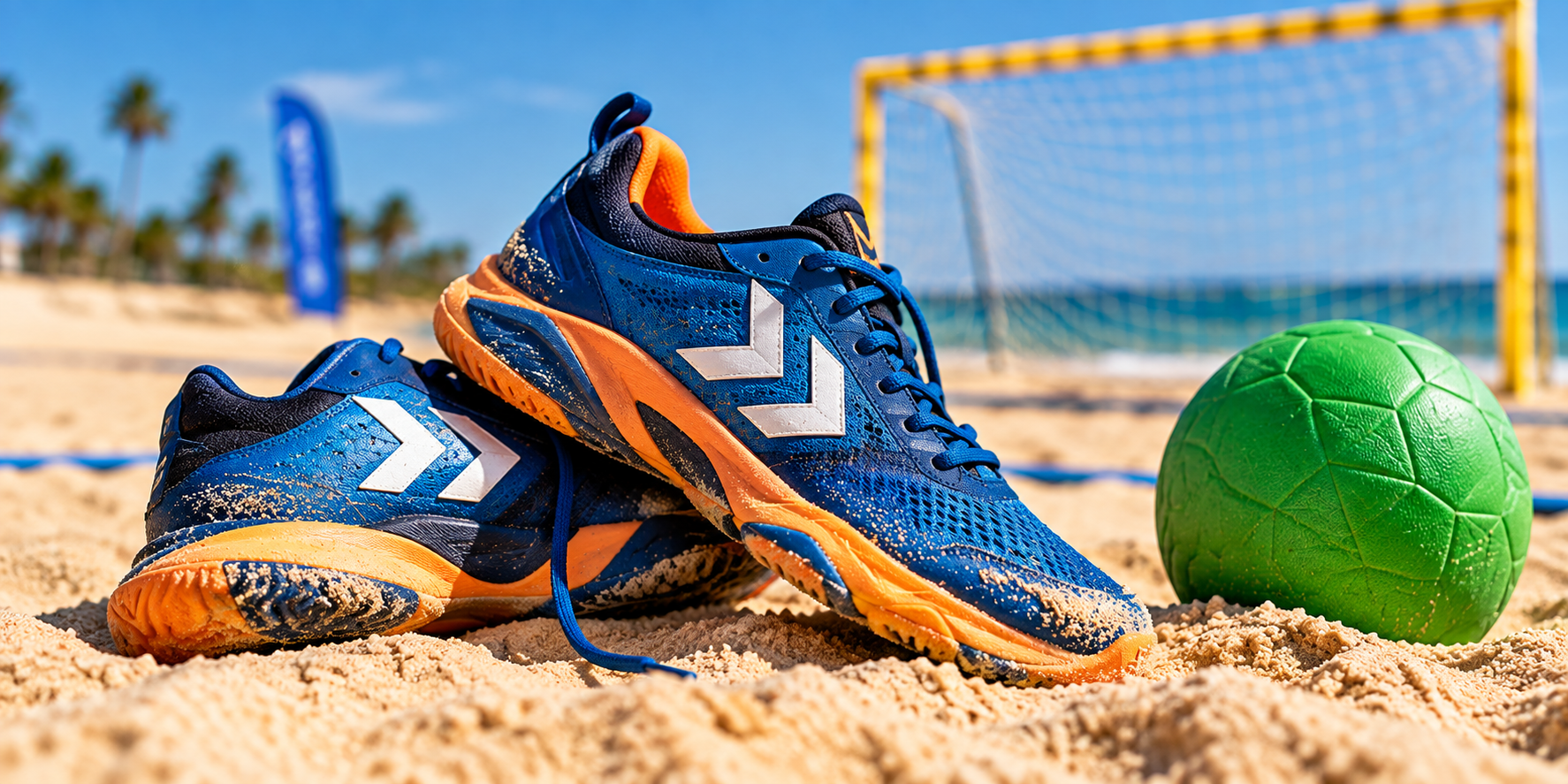
Choosing the right handball shoes can make a bigger difference to your game than you might think. Whether you play in a sports hall all year round or you mix indoor league matches with outdoor training sessions, understanding the difference between indoor and outdoor handball shoes is essential for performance, comfort, and injury prevention.
In this guide, we’ll break down the key differences between indoor and outdoor handball shoes, explain when to use each type, and share practical tips to help you pick the perfect pair for your playing style and court surface.
Why the Right Handball Shoes Matter
Handball is fast, explosive, and full of quick direction changes, jumps, and landings. The wrong shoes can lead to:
- Reduced grip and more slipping on the court
- Extra strain on knees, ankles, and hips
- Quicker wear and tear on the shoe itself
- Higher risk of overuse or impact-related injuries
That’s why serious players pay close attention to shoe type, cushioning, traction, and support-and why indoor and outdoor models are designed differently.
Indoor Handball Shoes: Features, Pros, and Cons
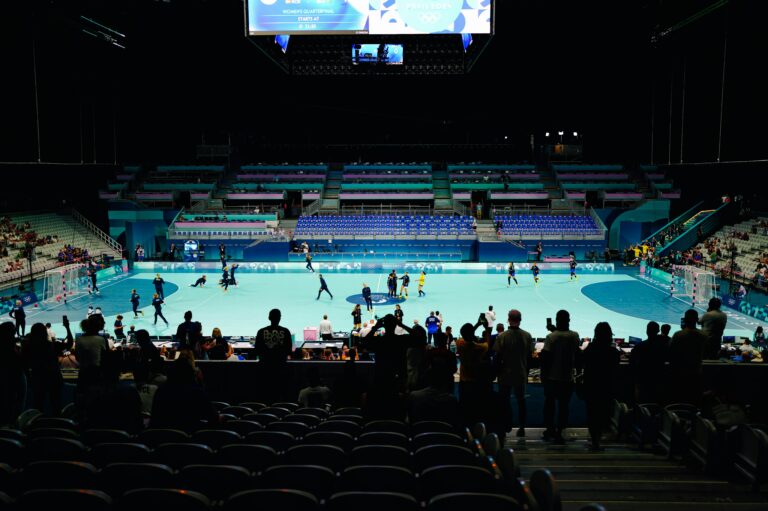
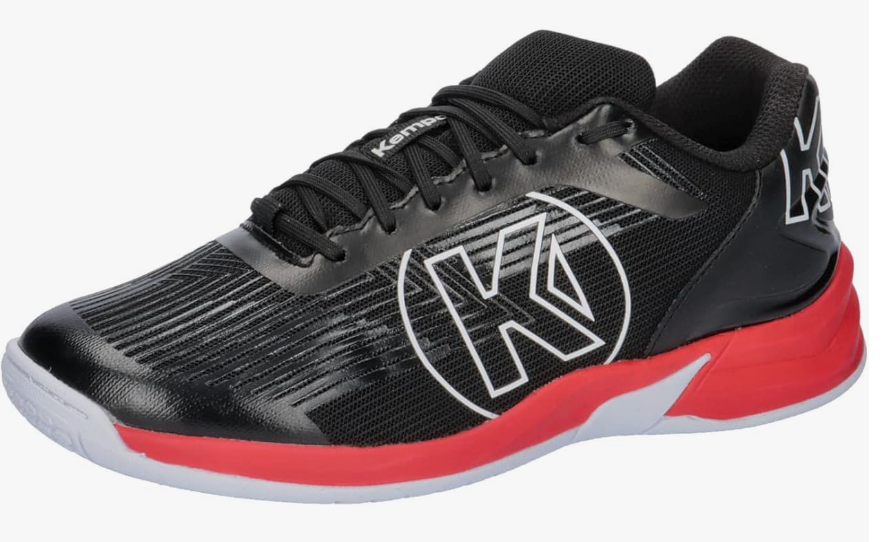
Indoor handball shoes are optimized for smooth, polished surfaces such as wooden or synthetic sports halls. They’re sometimes labeled as “court shoes” and are similar to volleyball or indoor squash shoes.
Main Features of Indoor Handball Shoes
- Non-marking rubber sole – Special gum rubber that won’t leave black marks on indoor floors.
- High-traction outsole pattern – Designed for sudden stops, quick pivots, and lateral movements on smooth courts.
- Low-to-medium profile – Keeps you close to the ground for better stability and responsiveness.
- Enhanced lateral support – Reinforced sides and midfoot support to handle sideways pressure.
- Targeted cushioning – Padding in the heel and forefoot to absorb jump landings and sprints.
- Breathable upper – Mesh and synthetic materials that keep your feet cool during intense matches.
Advantages of Indoor Handball Shoes
- Maximum grip on indoor courts – The gum rubber sticks well to varnished floors.
- Better stability and agility – Ideal for fast cuts, direction changes, and close-contact play.
- Non-marking sole – Mandatory in many sports halls and official competitions.
- Sport-specific design – Built for handball-style jumps, landings, and lateral moves.
Disadvantages of Indoor Handball Shoes
- Not ideal for rough outdoor surfaces – Gum rubber wears down quickly on asphalt or concrete.
- Limited weather resistance – Not designed for rain, dust, or uneven ground.
- Less versatile – Best kept indoors to prolong life and maintain grip.
Outdoor Handball Shoes: Features, Pros, and Cons
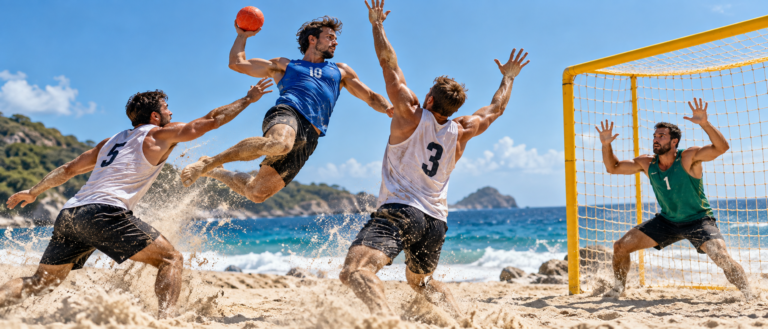
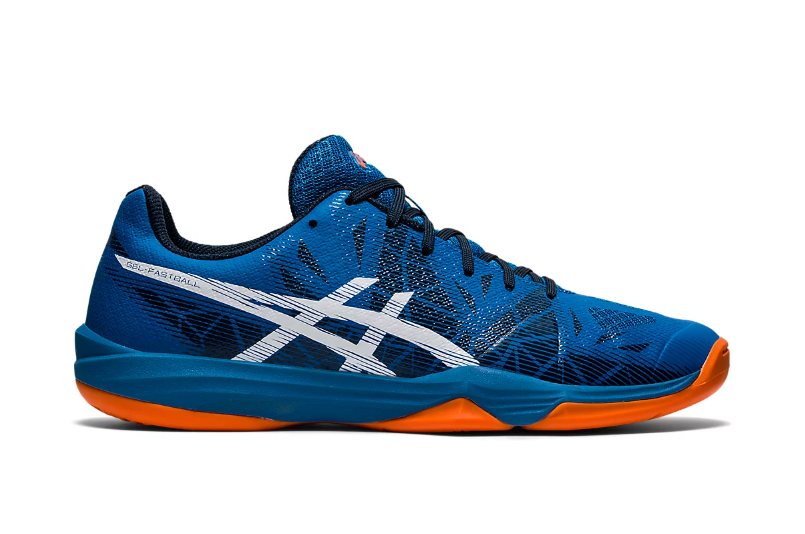
Outdoor handball (or street handball) is becoming more popular for casual games and summer training. When you move outside to asphalt, concrete, or rough courts, footwear demands change significantly.
Main Features of Outdoor Handball Shoes
- More durable outsole – Harder rubber to resist abrasion from asphalt, concrete, or rough synthetic surfaces.
- Deeper tread pattern – Extra traction on dusty, slightly uneven, or slightly wet outdoor courts.
- More robust upper – Thicker materials to protect against scuffs and outdoor wear.
- Often more cushioning – Added shock absorption for harder surfaces that don’t “give” like indoor courts.
Advantages of Outdoor Handball Shoes
- Longer lifespan on rough ground – Designed to cope with friction and small stones or debris.
- Better grip outdoors – Tread patterns that work on less predictable surfaces.
- Improved protection – Tougher materials safeguard your feet against scrapes.
- Versatile for other sports – Many can double as outdoor training or casual sports shoes.
Disadvantages of Outdoor Handball Shoes
- Suboptimal grip on polished indoor floors – The harder rubber can slide more and feel less “sticky.”
- Heavier feel – More durable materials can add weight.
- Often marking soles – Some outdoor soles could leave marks indoors and may be banned in halls.
Indoor vs. Outdoor Handball Shoes: Side-by-Side Comparison
| Feature | Indoor Handball Shoes | Outdoor Handball Shoes |
|---|---|---|
| Sole Material | Soft, non-marking gum rubber | Hard, durable rubber |
| Best Surface | Wooden or synthetic indoor courts | Asphalt, concrete, outdoor courts |
| Grip Type | High friction, “sticky” on smooth floors | Deeper tread for dust and uneven ground |
| Cushioning | Focused on jumps and quick sprints | Extra shock absorption for hard surfaces |
| Durability | High indoors, low outdoors | High outdoors, moderate indoors |
| Weight | Typically lighter | Often slightly heavier |
When to Use Indoor Handball Shoes
You should use indoor handball shoes when:
- You play primarily in a sports hall on wooden or synthetic flooring.
- You compete in official leagues or tournaments (where non-marking soles are usually required).
- Your game relies heavily on rapid acceleration, cuts, and jumps.
- You want maximum grip and responsiveness on a polished surface.
Ideal use cases:
- Club training sessions and matches in a gym
- Indoor tournaments and national competitions
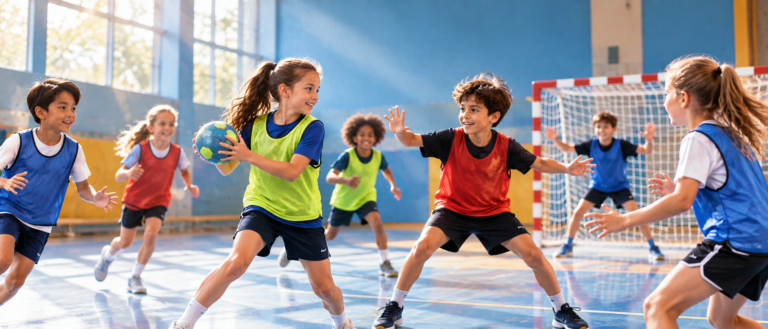
- Youth academy sessions on indoor courts
Tip: To keep them performing at their best, avoid wearing indoor shoes outside the hall-even for the walk from the car park. Dirt and tiny stones not only damage the sole but also reduce traction on the court.
When to Use Outdoor Handball Shoes
Outdoor handball shoes are the smarter option when:
- You regularly train or play on asphalt, concrete, or outdoor synthetic courts.
- You join street handball or beachside courts with rougher ground.
- You want a more versatile shoe that can handle park training, running to the court, or mixed-surface play.
- Weather and surface conditions vary-dusty, slightly wet, or uneven.
Ideal use cases:
- Summer outdoor leagues or pick-up games
- Pre-season outdoor conditioning sessions with ball drills
- Recreational handball on multi-sport outdoor courts
Note: Some players use robust indoor-style court shoes with tougher rubber outsoles as a hybrid solution for both indoor and light outdoor use. However, if you’re serious about performance, having a separate pair just for outdoors is still the best strategy.
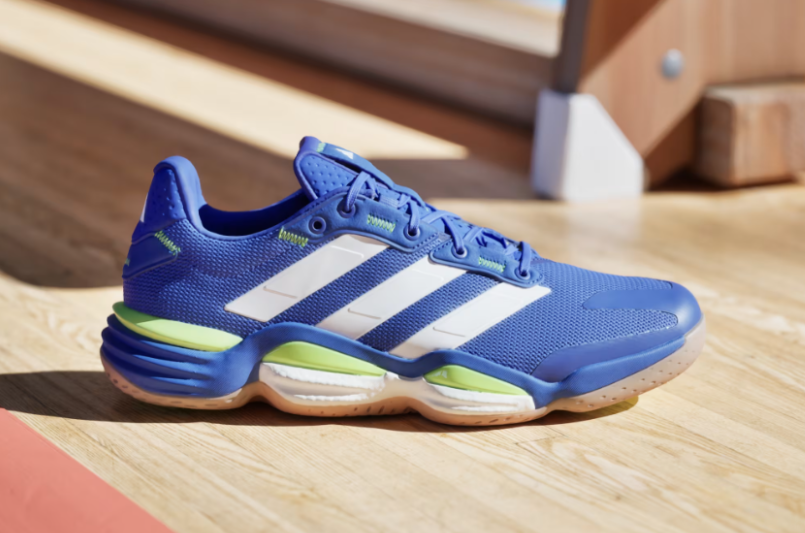
Can You Use Indoor Handball Shoes Outside (and Vice Versa)?
Indoor Shoes on Outdoor Courts
You can wear indoor shoes outdoors occasionally, but it’s not recommended for regular use:
- The soft gum rubber will wear down fast on asphalt and rough concrete.
- Dirt, dust, and stones get embedded in the sole, reducing indoor grip later.
- Non-marking rubber doesn’t always provide enough traction on dusty outdoor surfaces.
Outdoor Shoes on Indoor Courts
Outdoor shoes indoors are also a compromise:
- Harder soles can slip more on polished floors, especially during sharp cuts.
- Some outdoor soles may leave marks and be banned in certain halls.
- They usually feel less agile and slightly heavier than dedicated indoor models.
In short, if you play seriously in both environments, owning two pairs-one indoor, one outdoor-is the safest and most performance-friendly solution.
How to Choose the Right Handball Shoes for Your Needs
When buying new handball shoes, consider these key factors:
1. Playing Surface
- Mostly indoor: Prioritize non-marking indoor handball shoes with strong grip and lateral support.
- Mostly outdoor: Choose outdoor models or tough court shoes with durable rubber outsoles.
- 50/50 mix: Get a dedicated indoor pair for competition and a more durable pair for outdoor training.
2. Playing Position and Style
- Backcourt shooters / wings: Look for lightweight shoes with strong heel cushioning for frequent jumps.
- Pivots / line players: Focus on stability, lateral support, and a solid, grippy base.
- Goalkeepers: Need flexibility, grip, and quick side-to-side movement rather than heavy cushioning.
3. Foot Type and Fit
- Wide feet: Choose brands or models known for a wider toe box.
- High arches or flat feet: Consider shoes with removable insoles so you can use custom orthotics.
- Snug but not tight: You should have about a thumb’s width in front of the toes.
4. Cushioning and Stability
- Indoor: Look for a balance-too much cushioning can reduce court feel and stability.
- Outdoor: Extra shock absorption can protect joints on unforgiving surfaces.
Benefits of Using the Right Shoes for Indoor and Outdoor Handball
Investing in surface-specific shoes is not just marketing hype; it has real, practical benefits:
- Better performance: More controlled stops, faster changes of direction, and safer jumps.
- Improved safety: Reduced risk of ankle sprains, knee stress, and overuse injuries.
- Longer shoe life: Using each pair on the right surface prevents premature wear.
- Enhanced comfort: Less foot fatigue, fewer blisters, more enjoyment during long sessions.
Practical Tips for Maintaining Your Handball Shoes
Whether you choose indoor or outdoor handball shoes, proper care extends their life and keeps performance high.
1. Keep Indoor Shoes Indoors
- Change into your indoor handball shoes inside the hall.
- Use a separate pair of casual sneakers or slides for walking outside.
2. Clean the Soles Regularly
- Wipe soles with a damp cloth to remove dust and improve grip.
- Use a soft brush for deeper grooves, especially on outdoor shoes.
3. Air Them Out
- Remove insoles after practice and let the shoes dry naturally.
- Avoid direct heat sources (radiators, dryers), which can damage glue and materials.
4. Replace Before They Fail
- Check for worn-out tread, crushed cushioning, or torn uppers.
- Frequent players often need new shoes every 6-12 months, depending on intensity.
Example Scenario: A Player Who Switches Between Indoor and Outdoor
Imagine a player who:
- Trains twice a week indoors with their club
- Plays street handball every weekend in the summer
Best setup for this player:
- Pair 1 – Indoor handball shoes: Kept exclusively for gym sessions and official matches.
- Pair 2 – Outdoor handball shoes: Used for street handball, park drills, and casual outdoor games.
This two-pair approach:
- Maximizes indoor grip and court feel during competition.
- Protects the more delicate gum sole from outdoor damage.
- Provides durable, safe traction and cushioning outside.
SEO-Friendly Buying Checklist for Handball Shoes
Before you hit “buy now” on your next pair of handball shoes, run through this quick checklist:
- Do I mainly need indoor handball shoes or outdoor handball shoes?
- Is the sole non-marking (for indoor sports halls)?
- Does the outsole pattern match my main court surface?
- Does the fit feel secure, but not tight at the toes and midfoot?
- Is there enough lateral support for aggressive side movements?
- Is the cushioning level suitable for my weight and jumping style?
Conclusion: Indoor vs. Outdoor Handball Shoes – Which Should You Choose?
The choice between indoor and outdoor handball shoes comes down to one main factor: where you play most often.
- If you’re mainly in a gym on polished courts, indoor handball shoes with non-marking gum soles are the clear winner. They offer superior grip, agility, and stability for fast-paced indoor play.
- If you frequently train or compete on asphalt, concrete, or outdoor surfaces, you’ll benefit from outdoor handball shoes with tougher rubber and deeper tread for durability and traction.
- If you do both, the most effective solution is to own one pair for indoors and one for outdoors. Your feet, joints, and performance will thank you.
By matching your footwear to your playing environment, you improve performance, reduce injury risk, and get more value from every pair of shoes. Take the time to assess your court surfaces, your playing style, and your comfort needs-then choose the best handball shoes for each situation and enjoy the game at your highest level.