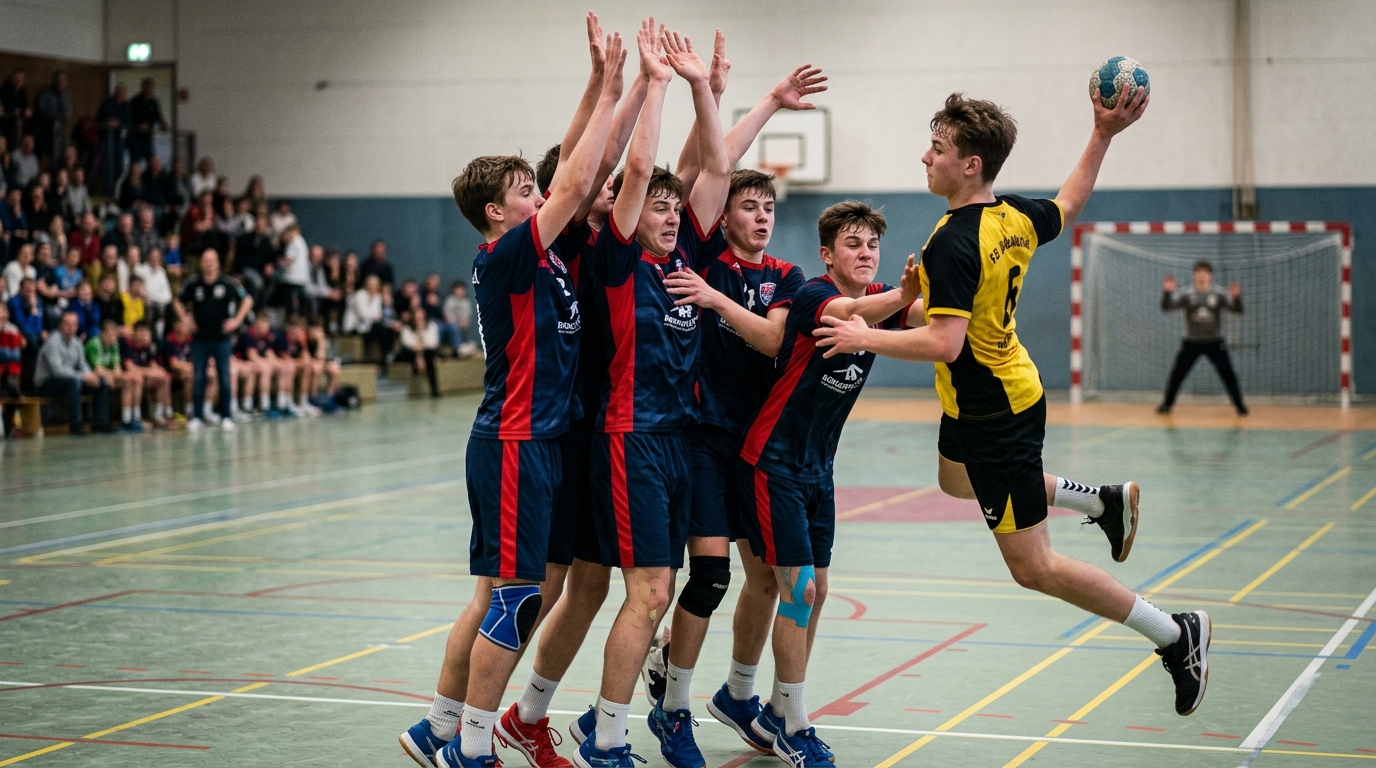
Handball is one of the most dynamic and fast-paced team sports in the world, but the competition structure behind it can seem complex. From local club leagues to prestigious international cups, the handball competition pyramid is a well-organized system that helps players and teams progress to higher levels.
In this guide, we’ll break down how handball leagues, national championships, and elite international tournaments connect to one another. Whether you’re a new fan, a player, a coach, or a club administrator, understanding this pyramid will help you appreciate the sport’s global structure and the many pathways to the top.
What Is the Handball Competition Pyramid?
The handball competition pyramid is a layered system of leagues and tournaments, starting from grassroots club handball and rising all the way to international cups and world championships. Each level typically feeds into the next through promotion and relegation, qualification places, and performance-based invitations.
From the bottom to the top, the handball pyramid generally includes:
- Local and regional club competitions
- National leagues and cup tournaments
- Continental club competitions (e.g., EHF Champions League)
- National team events (continental championships, World Championships, Olympics)
While structures vary by country and continent, the basic principle is similar: perform well locally, move up nationally, and aim for international glory.
The Foundation: Local and Regional Handball Clubs
Every major handball superstar began in a local club. This is where the sport is rooted-in community gyms, school halls, and regional leagues.
Local Leagues and Grassroots Competitions
At the base of the pyramid are community-based and regional leagues. These often include:
- Youth leagues (U12, U14, U16, U18)
- Amateur adult leagues
- School and university competitions
These competitions focus on development, participation, and talent identification rather than commercial success. However, they are essential for feeding players into higher levels of the handball pyramid.
Pathway From Local to National Level
Clubs that perform well regionally may gain access to:
- Higher regional divisions
- Qualifiers for national lower-tier leagues
- National youth championships or talent camps
This progression system encourages clubs to invest in coaching, fitness, and youth development in order to move up the ladder.
National Handball Leagues: The Core of the Pyramid
Above the regional level sit the national handball leagues, where the most recognized domestic clubs compete. These leagues form the competitive backbone of each country’s handball structure.
Top-Tier Professional Leagues
Many handball-strong countries operate professional or semi-professional top divisions, such as:
- Germany: Liqui Moly Handball-Bundesliga
- France: Lidl Starligue
- Spain: Liga ASOBAL
- Denmark: Herrer Ligaen
- Hungary: Nemzeti Bajnokság I
These leagues feature the nation’s strongest clubs, drawing local and international talent and often feeding into continental competitions.
Lower Divisions and Promotion/Relegation
Below the top division, most countries use a multi-tier system:
- Second division – Often semi-professional
- Third division and below – Semi-professional or amateur
At the end of each season, several teams are promoted to a higher division, while weaker teams are relegated to a lower one. This creates a fluid and competitive environment where even small clubs can dream of climbing toward the top.
National Cup Competitions
In addition to league play, many countries run a national handball cup. These are knockout tournaments involving teams from multiple levels of the pyramid. Cup competitions are exciting because:
- Lower-tier clubs can face elite teams in single-elimination matches
- Upsets and “Cinderella stories” attract large audiences
- Winners often qualify for continental club competitions
For clubs, national cups are often the quickest route to international exposure.
Continental Club Competitions: The Road to International Cups
Strong performances in national leagues and cups open the door to continental handball competitions. These tournaments feature the best clubs from each country and sit high in the handball competition pyramid.
European Club Competitions (EHF)
Europe, as the powerhouse region in handball, is home to several prestigious club tournaments governed by the European Handball Federation (EHF):
- EHF Champions League – The elite competition for top national league finishers
- EHF European League – Featuring strong clubs that finished below Champions League qualification spots
- EHF European Cup – Generally for clubs from emerging or mid-level European handball nations
Qualification is typically based on:
- League position (e.g., champion, runner-up, third place)
- National federation rankings
- Wild card or special invitations in some cases
| Competition | Level | Typical Qualifiers |
|---|---|---|
| EHF Champions League | Elite | National champions & top-ranked clubs |
| EHF European League | High | Upper-table league finishers |
| EHF European Cup | Developing | Cup winners & emerging clubs |
Other Continental Competitions
Outside Europe, other confederations also run club tournaments, including:
- CAHB African Club Championship (Africa)
- Asian Club League Handball Championship (Asia)
- Pan-American or South and Central American club competitions (Americas)
These events help raise the level of handball globally and provide a stepping stone to invitation-based super cups and club world championships.
International Cups and Global Showpieces
At the top of the handball competition pyramid sit the international cups and global championships that attract worldwide attention.
Club-Based International Cups
Several competitions bring together the best clubs from different continents:
- IHF Men’s and Women’s Super Globe – Often referred to as the unofficial Club World Championship, featuring champions from continental events plus invited teams.
- Super Cups and Intercontinental Finals – In some eras or regions, winners of different continental competitions face off in special super cup matches.
Though more exclusive and sometimes invite-based, these events showcase the highest level of club handball on the planet.
National Team Competitions: Parallel to the Club Pyramid
While club competitions form one side of the pyramid, national team handball forms a parallel structure. Players selected from top clubs represent their countries in:
- Continental championships (e.g., EHF EURO, African Championships, Asian Championships)
- IHF World Championships (men’s and women’s)
- Olympic Games handball tournaments
Strong domestic leagues and successful clubs typically produce strong national teams, linking back to the health of the handball competition pyramid at home.
| Level | Club Focus | National Team Focus |
|---|---|---|
| Top | IHF Super Globe | Olympic Games |
| Continental | EHF Champions League, African Club Championship | EHF EURO, Asian Championship |
| National | Domestic leagues & cups | National qualifiers & friendlies |
How a Club Climbs the Handball Pyramid: A Simple Scenario
To make the structure more concrete, imagine a club called City Eagles HC in a handball-loving European country.
- Local Level: City Eagles HC starts in a regional amateur league. They invest in youth training and local coaching.
- National Lower Division: After a few strong seasons, they earn promotion to the third national division.
- Second Division: Continued success, better sponsorship, and improved facilities help them climb again.
- Top Division: Now in the national top league, they compete against professional powerhouses.
- National Cup Run: A surprise cup win or high league finish qualifies them for the EHF European League.
- European Stage: With smart recruitment and tactical coaching, City Eagles HC advances deep into European competition, gaining international recognition.
- International Cups: A continental trophy might one day earn them a spot at the IHF Super Globe.
This journey, while challenging, is precisely what the handball competition pyramid is designed to make possible-rewarding consistent development and performance at every step.
Benefits of the Handball Competition Pyramid
The layered structure of handball competitions offers clear benefits for clubs, players, and fans.
For Clubs
- Clear progression pathway from local to international levels
- Motivation to improve infrastructure, coaching, and youth academies
- Increased visibility and sponsorship potential at higher tiers
- Competitive balance thanks to promotion and relegation
For Players
- Talent identification from youth to senior levels
- Opportunities to move up through better-performing clubs and leagues
- International exposure via continental and world competitions
- National team selection often based on club performance
For Fans
- Year-round excitement with league, cup, and international fixtures
- Underdog stories where small clubs can challenge big names
- Local identity connecting communities to the global game
Practical Tips for Clubs and Players Navigating the Pyramid
Tips for Emerging Handball Clubs
- Invest in youth development: Strong junior teams are the most sustainable way to climb the pyramid.
- Build a coaching culture: Support coaches with education, clinics, and collaboration with higher-level clubs.
- Use data and video analysis: Even at regional level, basic stats and game clips can improve tactics and training.
- Target national cups: Cup competitions can provide fast-track visibility and financial boosts.
Tips for Ambitious Players
- Choose the right environment: A slightly lower-level club with more playing time can be better than sitting on the bench in a top side.
- Showcase in key competitions: Perform well in national playoffs, cups, and youth tournaments where scouts are present.
- Focus on versatility: Being able to play multiple positions or defensive systems increases your value as you move up.
SEO-Friendly FAQ: Understanding Handball’s Competition Structure
How does a handball club qualify for international cups?
Most clubs qualify for international handball cups by finishing at the top of their national league or by winning national cup competitions. National federations receive allocated spots in continental tournaments like the EHF Champions League, which they award based on domestic performance.
What is the difference between the EHF Champions League and national leagues?
National leagues are domestic competitions featuring clubs from a single country. The EHF Champions League is a continental competition that brings together top clubs from multiple European countries. Teams usually qualify for the Champions League based on their domestic league position.
Is there a handball club world championship?
The IHF Super Globe effectively acts as a club world championship, with club champions from different continents and top European teams participating.
Do all countries have the same handball league structure?
No. While most use a tiered league system with promotion and relegation, the number of divisions, professionalization level, and cup formats vary. However, the idea of a pyramid from local to international is consistent worldwide.
Conclusion: From Local Gyms to Global Arenas
The journey from local clubs to international cups in handball is not just a dream-it’s a carefully designed pathway. The handball competition pyramid connects grassroots leagues, national championships, continental club competitions, and elite international tournaments into one coherent system.
Local clubs provide the foundation, national leagues create a competitive core, and international cups showcase the sport at its highest level. For players, clubs, and fans, understanding this structure reveals how every match-whether in a small-town sports hall or a packed European arena-fits into the bigger picture of global handball.
Whether you’re starting a new club, planning your playing career, or simply trying to follow your favorite team more closely, keep this pyramid in mind. Every goal, every save, and every promotion brings the dream of international handball glory one step closer.