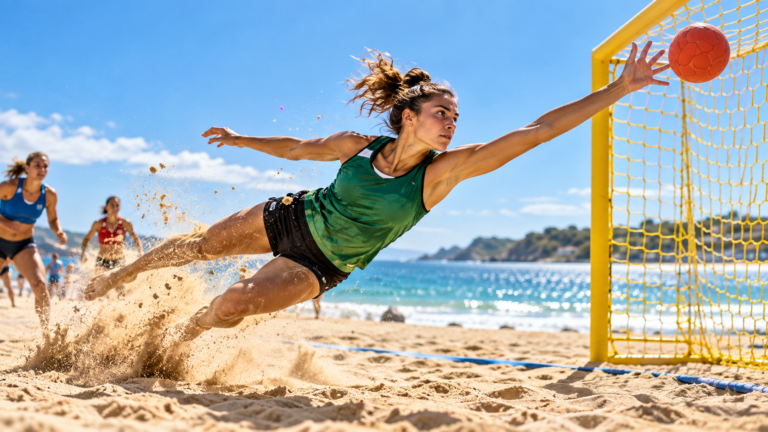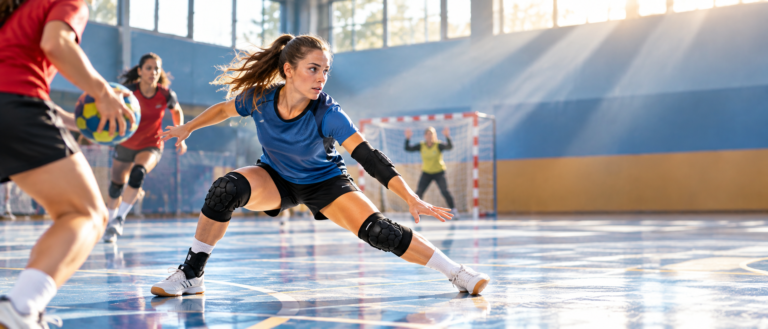
Beach handball goalkeepers play one of the toughest and most explosive roles on the sand. You have to dive, twist, jump, and recover in seconds – all while dealing with heat, sand, and powerful shots. The right goalkeeper gear for beach handball can make a huge difference in your performance and safety. In this guide, we’ll dive into the best lightweight pads and gloves for beach handball keepers, how to choose them, and how to keep them in top condition.
Why Specialized Goalkeeper Gear Matters in Beach Handball
Beach handball is not just indoor handball transplanted onto sand. The surface, temperature, and playing style all change how you move and what your body needs from your equipment.
Main Challenges for Beach Handball Goalkeepers
- Constant impact from diving and landing on uneven sand.
- High temperatures and direct sunlight increasing fatigue and sweat.
- Sand abrasion on knees, hips, elbows, and hands.
- Quick changes of direction requiring full hip, knee, and shoulder mobility.
This is why lightweight goalkeeper pads and breathable gloves with good grip are essential. Heavy, indoor-style gear will slow you down and overheat you. The goal is always the same: protect just enough while staying as fast and free as possible.
Key Features of Lightweight Goalkeeper Pads for Beach Handball
When people talk about goalkeeper pads for beach handball, they usually mean padding for knees, hips, and sometimes elbows. Unlike indoor gear, beach pads must prioritize mobility and breathability over thick protection.
1. Low-Profile, Flexible Padding
Look for thin, shock-absorbing foam or gel that flexes naturally with your joints. The padding should:
- Bend easily when you squat or twist.
- Stay close to the body without bulky edges.
- Return quickly to its original shape after impact.
Materials such as EVA foam or lightweight gel inserts are popular because they balance impact protection and flexibility.
2. Breathable and Quick-Drying Fabrics
On hot sand, overheating is a real threat. The best beach goalkeeper pads use:
- Moisture-wicking fabrics to pull sweat away from your skin.
- Mesh panels around non-impact areas for airflow.
- Quick-drying material so you’re not stuck in soggy gear between games.
Avoid thick neoprene that traps heat. Instead, scout for poly-spandex blends with mesh zones.
3. Secure but Non-Restrictive Fit
Your pads should stay in place when you dive, but not feel like a tourniquet. Ideal design features include:
- Compression sleeves with integrated padding.
- Wide elastic bands that don’t dig into your skin.
- Silicone grip strips on hems to prevent slipping.
Always test your gear with full keeper movements: side dives, forward dives, and explosive jumps. If your pads slide or twist, they’re not the right fit.
4. Sand-Resistant Construction
Sand finds its way into everything. Good beach goalkeeper gear uses:
- Flatlock seams to reduce friction and sand irritation.
- Minimal Velcro (sand sticks to it and destroys it fast).
- Smooth outer surfaces so sand brushes off easily.
Essential Protective Pads for Beach Handball Goalkeepers
Which parts of your body need the most protection? As a goalkeeper, you should prioritize impact zones that routinely hit the sand.
| Pad Type | Main Benefit | Mobility Impact |
|---|---|---|
| Knee Pads | Protect knees on dives and low blocks | Very low if low-profile |
| Hip/Thigh Shorts | Protect hips on lateral dives | Low if elastic and flexible |
| Elbow Pads | Prevent burns and bruises on landings | Moderate if too thick |
| Rash Guard (top) | Reduces abrasions on torso and shoulders | Minimal |
Knee Pads
Knee pads are non-negotiable for most beach handball keepers. Look for:
- Thin, ergonomic padding over the patella.
- Compression-style sleeves, not bulky shells.
- Breathable fabric and good stretch.
Hip and Thigh Pads
Integrated padded shorts are a great solution for hip and side protection. Prefer:
- Light foam pads over outer hips and thighs.
- Flat, segmented padding that doesn’t bunch when you bend.
- Shorts that fit snugly under your playing shorts.
Elbow Pads (Optional)
Some keepers skip elbow pads for maximum arm mobility, but if you dive aggressively, they help prevent burns and impact injuries. Choose:
- Minimal padding focused on the elbow tip.
- Compression sleeves that don’t slide.
Rash Guards and Compression Tops
A long-sleeve compression top or rash guard can protect your shoulders, torso, and arms from friction and the sun. Look for:
- UPF-rated fabrics for sun protection.
- Flat seams to minimize chafing.
- Lightweight, stretchy material that doesn’t retain water.
Goalkeeper Gloves for Beach Handball: Grip vs. Feel
Unlike indoor handball, beach handball is played with a ball that often gets sandy and slightly damp from sweat. Your goalkeeper gloves have to balance grip, sensitivity, and ventilation.
1. Do You Even Need Gloves on Sand?
Many beach handball keepers choose to play without gloves for maximum feel and control. However, gloves can:
- Protect your hands from abrasions and blisters.
- Improve grip on a sandy or sweaty ball.
- Reduce impact sting on very hard shots.
Ultimately, it’s a personal preference. If you go with gloves, select models built for heat and sand, not just indoor courts.
2. Features of Good Beach Handball Goalkeeper Gloves
- Lightweight construction – Avoid heavy padding that traps heat.
- Ventilated backhand – Mesh or perforated panels to release heat.
- Responsive palm – Thin latex or silicone pattern for grip with good ball feel.
- Short cuff or elastic wrist – Easy on/off and less sand accumulation.
Remember: you’re not catching a football-sized ball like in soccer. You don’t need bulky fingers; you need speed and a secure, confident touch.
3. Palm Types and Grip in Sandy Conditions
The palm of the glove is where performance is won or lost. For beach handball goalkeeper gloves, look for:
- Textured latex palms – Offer grip even when a bit dusty or sandy.
- Silicone grip zones – Strategic patterns help with quick catches and deflections.
- Sand-tolerant surfaces – Smooth palms that are easy to rinse and wipe clean.
Avoid overly soft, delicate latex designed for pristine indoor courts; it will wear out much faster on sand.
4. Finger Protection vs. Mobility
Most beach handball keepers skip rigid finger spines used in some soccer gloves. These can:
- Limit finger flexion and ball control.
- Trap heat and reduce comfort.
Instead, aim for gloves with natural finger mobility that let you catch, parry, and block instinctively.
Recommended Gear Setups for Different Playing Styles
Every goalkeeper has a unique style. Here are three sample beach handball goalkeeper gear setups to match common approaches.
| Keeper Style | Suggested Pads | Glove Preference |
|---|---|---|
| Aggressive Diver | Full knee pads + padded shorts + light elbow pads | Light gloves with good palm grip |
| Mobile Shot-Stopper | Low-profile knees + hip pads | Minimalist gloves or bare hands |
| Conservative Blocker | Knees + elbows, optional padded top | Comfort-focused gloves, moderate padding |
How to Choose the Right Size and Fit
Proper fit is critical for both lightweight pads and goalkeeper gloves. Wrong sizing leads to slipping, chafing, and lost confidence.
Pads: Sizing Tips
- Measure around the joint (knee, elbow) at the thickest point.
- Compare your measurements with the manufacturer’s size chart.
- Try them on with your usual match gear, not just in isolation.
- Perform a few test movements: full squats, lunges, lateral shuffles, and dives if possible.
Your pads should feel snug but not constrictive; you should not feel numbness or tingling after a few minutes.
Gloves: Sizing Tips
- Measure hand length from tip of middle finger to base of palm.
- Measure hand circumference around the knuckles (excluding thumb).
- Leave a small margin (around 0.5-1 cm) for finger length comfort.
- Make a catching motion – your hand should close easily without resistance.
Bigger isn’t always better. Oversized gloves slip, twist, and cost you precious milliseconds in reaction time.
Benefits of Lightweight Goalkeeper Gear on Performance
Switching to properly designed beach handball goalkeeper gear delivers tangible on-court benefits.
- Faster reactions: Less weight means quicker dives and recoveries.
- Better stamina: Breathable fabrics reduce overheating and fatigue.
- More confidence: Impact protection lets you commit fully to risky saves.
- Fewer injuries: Pads reduce bruises, burns, and joint stress.
- Improved consistency: Good grip and stable pads help you repeat solid technique all game.
Practical Tips: Caring for Your Beach Handball Goalkeeper Gear
Sand, sun, and sweat are harsh on equipment. With the right maintenance, you’ll prolong the life of your goalkeeper gloves and pads.
After Every Session
- Shake out sand from pads, shorts, and gloves.
- Rinse gently in cool, fresh water to remove salt and sweat.
- Air-dry in shade; avoid direct sun to prevent fabric and latex damage.
Weekly or Tournament-Level Use
- Hand-wash pads and compression gear with mild soap.
- Disinfect lightly inside gloves to avoid odors and bacteria.
- Inspect seams and padding for wear; small tears worsen quickly on sand.
Storage
- Store gear completely dry in a cool, ventilated place.
- Avoid sealing damp gloves or pads in closed bags.
- Keep latex palms of gloves away from direct sun and sharp objects.
First-Hand Style Insights: Balancing Protection and Freedom
If you ask experienced beach handball keepers about gear, most will give you a version of the same advice: start with more protection and gradually reduce it as your technique and confidence improve.
Many keepers begin with full knee, hip, and elbow protection. Over time, as they develop smoother landing techniques and learn to “roll” into the sand, they may remove elbow pads or switch to thinner hip padding to gain extra freedom of movement. The key is listening to your body: bruises and recurring pain are signals that you either need more protection or better technique (often both).
Checklist: Building Your Beach Handball Goalkeeper Gear Kit
Use this quick checklist to assemble a complete, mobile-friendly setup:
- Knees: Lightweight knee pads with low-profile foam.
- Hips/Thighs: Padded shorts with flexible side protection.
- Elbows: Optional slim pads if you dive aggressively.
- Top: Compression or rash guard, possibly long-sleeve for sun and abrasion protection.
- Gloves: Breathable, thin-palm gloves with sand-tolerant grip (or bare hands if preferred).
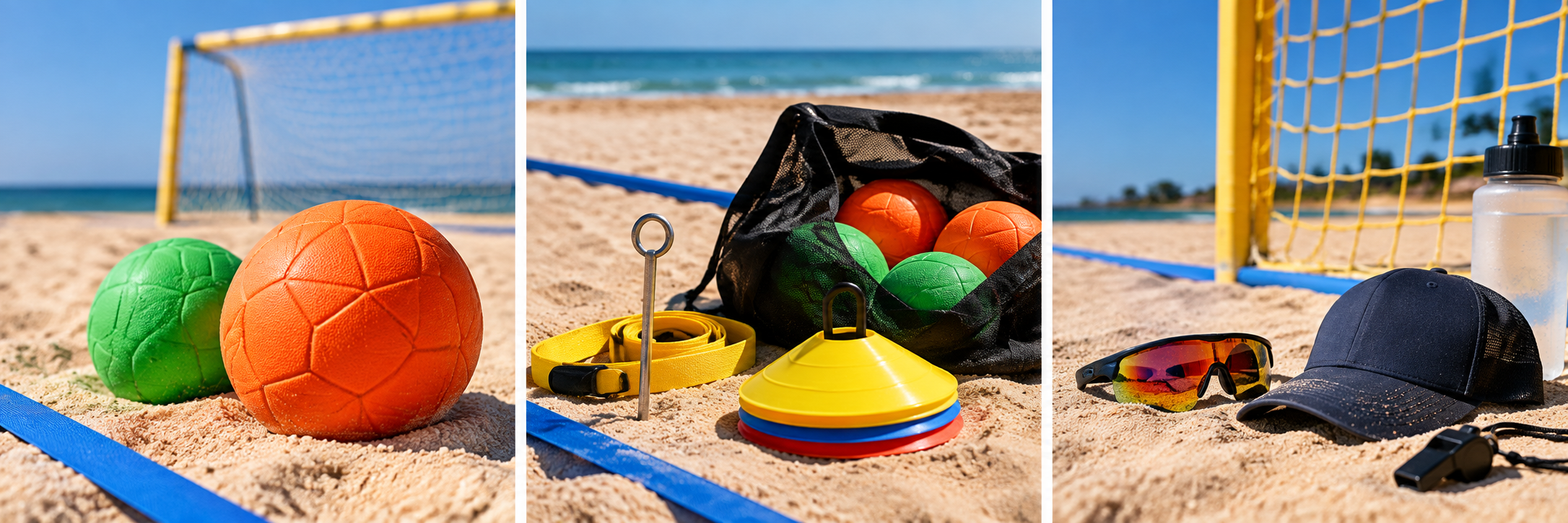
- Extras: Headband or cap for sun, sports sunglasses if allowed, and plenty of sunscreen.
Conclusion: Find Your Perfect Balance of Protection and Mobility
The ideal goalkeeper gear for beach handball is always a compromise between staying protected and staying lightning-fast. With the right lightweight pads for your knees, hips, and elbows, plus well-chosen goalkeeper gloves (or a confident bare-hand approach), you can dive fully into every save without hesitation.
Focus on gear that is:
- Light and flexible enough to move naturally.
- Breathable to handle heat and sweat.
- Durable against sand, salt, and repeated impacts.
Experiment with different levels of padding and glove styles until you find the setup that lets you feel both safe and explosive. When your gear works with you instead of against you, you’re free to concentrate on what matters most: reading the game, making big saves, and owning your beach handball goal.