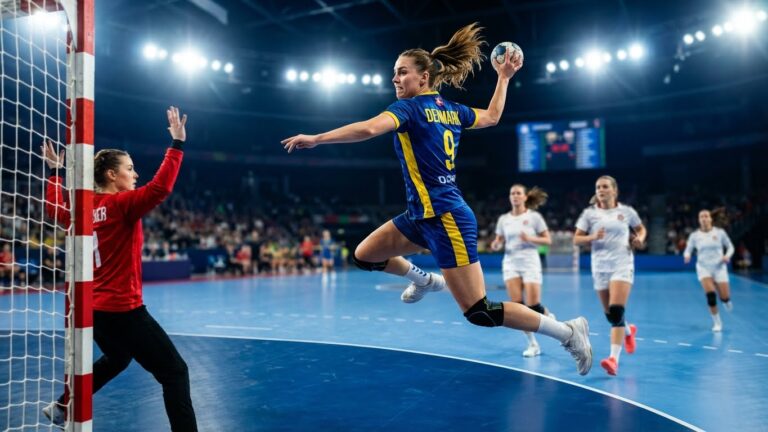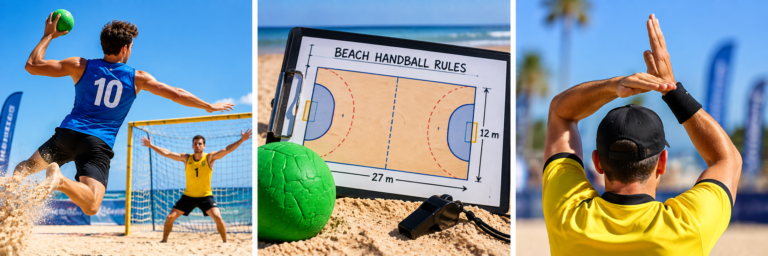
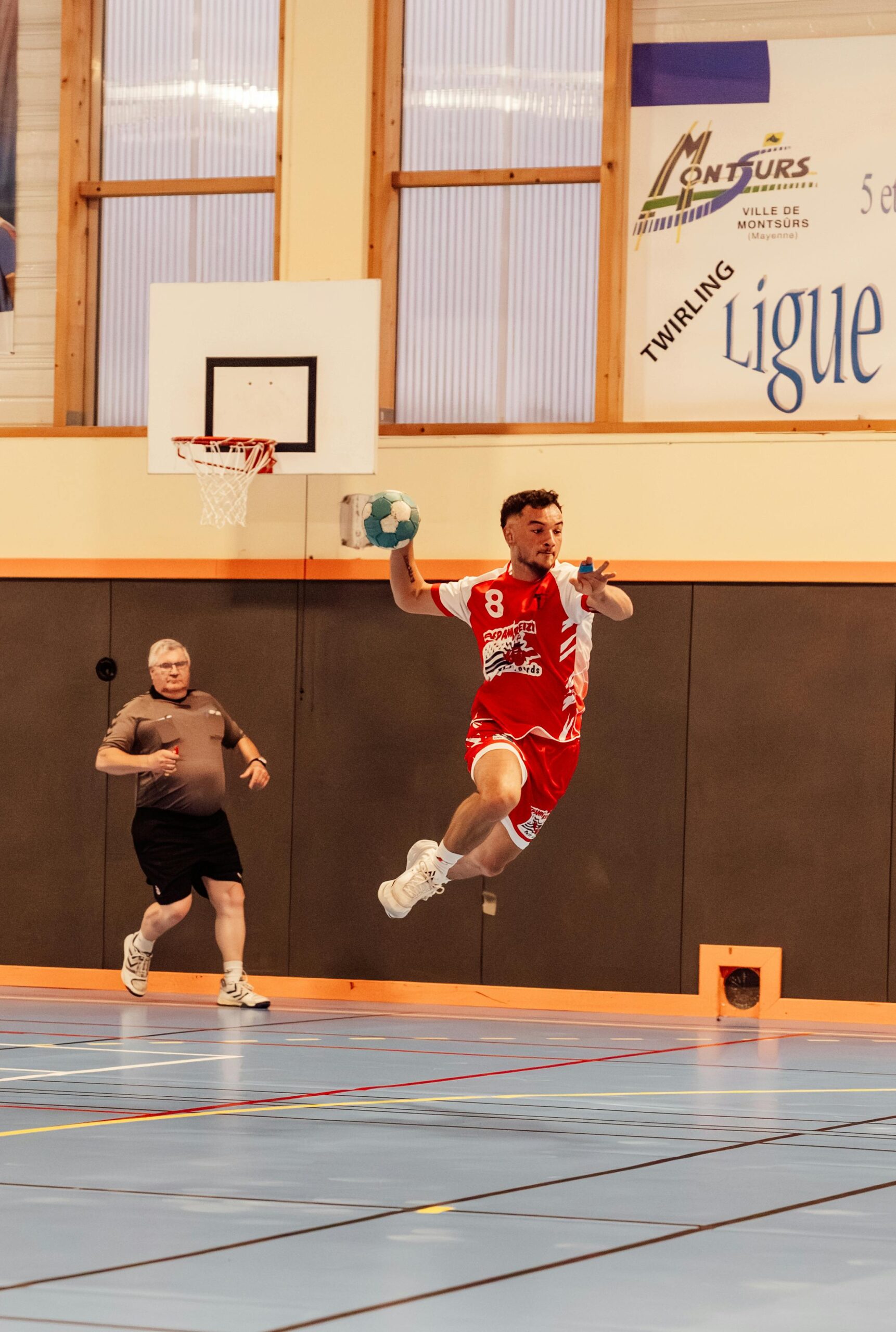
In modern handball, a powerful and accurate jump shot is one of the most important skills you can master. Whether you play as a backcourt shooter, a wing, or even a fast-break specialist, your jump shot can decide close matches. This step‑by‑step handball training guide will show you exactly how to improve your jump shot with practical drills, technique breakdowns, and smart training strategies.
Use this comprehensive guide to upgrade your handball shooting technique, increase your jump height, and become a more dangerous scorer from anywhere on the court.
Why Your Jump Shot Matters in Handball
The jump shot is more than just jumping and throwing. It’s a combination of:
- Explosive leg power – to elevate above defenders
- Core stability – to stay balanced while airborne
- Arm speed and wrist snap – to generate ball velocity
- Timing and decision-making – to shoot at the right moment
Improving your handball jump shot will help you:
- Score over taller defenders
- Finish fast breaks more reliably
- Threaten from distance, opening space for teammates
- Reduce shot blocks and forced errors
Let’s go step by step through the key components of a technically sound and powerful jump shot.
Step 1: Master Your Footwork and Approach
Every great jump shot starts on the ground. Bad footwork leads to off-balance shots, offensive fouls, or easy blocks. Focus first on a smooth approach pattern.
1.1 Basic Footwork Patterns for a Handball Jump Shot
For right-handed players, a common three-step approach is:
- Step 1 (Right foot) – Long, controlled step to generate momentum
- Step 2 (Left foot) – Shorter, quicker step, preparing for take-off
- Step 3 (Right foot) – Strong plant and explosive jump off the last step
For left-handed players, reverse the pattern (left-right-left).
Key cues:
- Keep your chest slightly forward but not collapsing
- Stay relaxed through the run-up to avoid stiffness
- Plant the last step firmly to convert horizontal speed into vertical lift
1.2 Footwork Drills to Improve Your Jump Shot
- Line Approach Drill: Use a sideline or tape on the floor. Practice three-step approaches without the ball. Focus on rhythm: slow-quick-explosive.
- Shadow Shooting: Mimic your full jump shot motion without a ball, 10-15 reps from different spots (left wing, right wing, 9 m line).
- Footwork Ladder: Use an agility ladder for quick-feet drills that lead into one or two jump shots at the end.
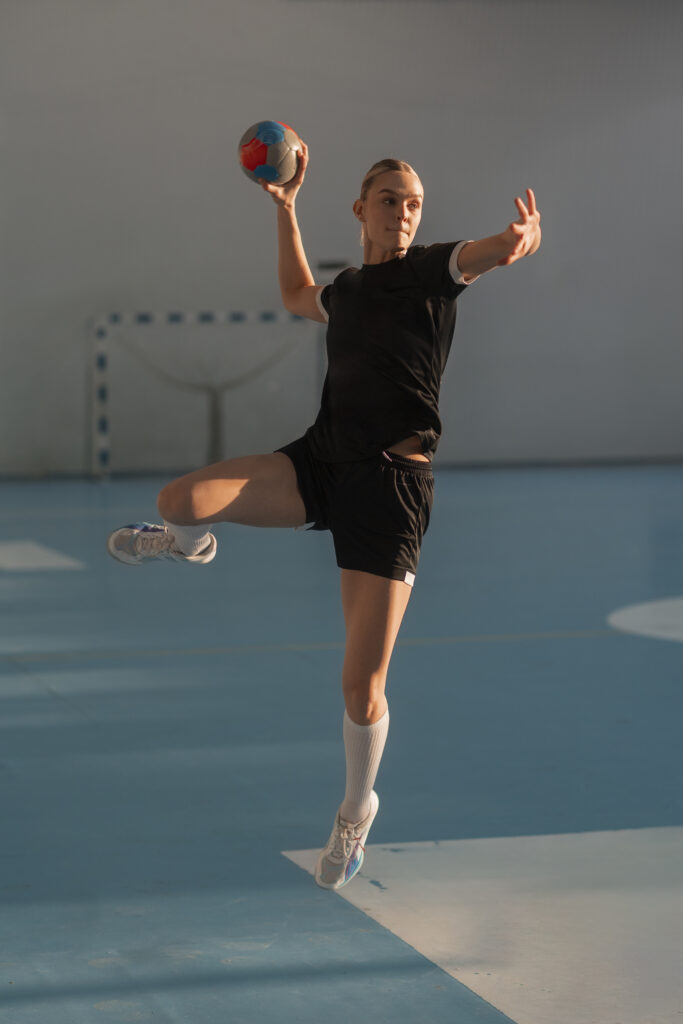
Step 2: Build a Strong Take-Off and Vertical Jump
To improve your handball jump height, you need explosive leg strength and efficient jumping mechanics. The goal is to jump high while staying balanced and in control.
2.1 Proper Take-Off Mechanics
On your last step:
- Bend knees and hips (not just your back)
- Drive your non-throwing arm upward to help lift your body
- Push through the ball of your foot for a quick, elastic take-off
2.2 Plyometric Exercises for Handball Players
Include these jump training drills 2-3 times per week:
| Exercise | Reps | Focus |
|---|---|---|
| Squat Jumps | 3 × 8 | Leg power |
| Lateral Bounds | 3 × 6/side | Side-to-side explosiveness |
| Box Jumps (low box) | 3 × 6 | Quick take-off |
| Single-Leg Hops | 2 × 8/leg | Stability & balance |
Always warm up properly before plyometrics and prioritize quality over quantity to prevent injury.
Step 3: Perfect Your Throwing Technique in the Air
Once you’re off the ground, your handball shooting form determines power and accuracy. The jump and the throw must flow together, not fight each other.
3.1 Upper Body Mechanics
- Ball position: Hold the ball high and slightly behind your head before release.
- Shoulders and hips: Slight rotation from your non-throwing side to your throwing side.
- Elbow: Keep your throwing elbow above shoulder level for a strong, overhand motion.
- Wrist snap: Finish with a fast, downward flick of the wrist to generate spin and speed.
3.2 Timing the Release
Release the ball at or just before the peak of your jump:
- Releasing too early reduces power and accuracy
- Releasing too late (on the way down) makes your shot easier to block
3.3 Technique Drills
- Kneeling Throws: Kneel on one knee and practice powerful overhand throws at the goal to isolate upper body mechanics.
- Wall Snap Drill: Stand 2-3 meters from a wall and repeatedly work on fast wrist snaps, aiming at a small target.
- Jump & Hold: Jump without throwing and hold your shooting position in the air for a moment to build stability and muscle memory.
Step 4: Improve Accuracy and Shot Selection
A powerful jump shot is useless if it misses the target. To become a consistent scorer, you must train your handball shooting accuracy and decision-making.
4.1 Aim Small, Miss Small
Instead of shooting “at the goal,” pick specific target zones:
- Top corners (over goalkeeper’s shoulders)
- Low far post (bounce shots)
- Between goalkeeper’s arm and leg
| Target Zone | When to Use |
|---|---|
| Top far corner | When keeper stands deep in goal |
| Low bounce shot | On slippery or fast floor surfaces |
| Near post high | When keeper anticipates cross shot |
4.2 Accuracy Drills
- Target Cones: Place cones or hoops in the corners of the goal. Shoot 10-20 jump shots trying to hit or closely miss each target.
- Zone Shooting: Divide the goal into 6 zones. Call out the zone before each shot to train your focus and versatility.
- Pressure Series: Shoot 5 jumps shots. If you miss your target, add one extra rep. This simulates pressure and rewards precision.
Step 5: Add Fakes, Variations, and Game-Like Situations
Elite handball shooters combine strong fundamentals with creativity. Once you have a solid basic jump shot, add variations to make yourself less predictable.
5.1 Common Jump Shot Variations
- Side-arm jump shot: Useful when the defender jumps straight up; arm angle changes to shoot around the block.
- Delayed release: Slight hesitation in the air to outwait the goalkeeper’s first move.
- Hip shot from the jump: Lower arm path to surprise goalkeepers expecting a high release.
- Bounce jump shot: Ball hits the floor before the goal, making the trajectory harder to read.
5.2 Fake and Finish Drills
- 1v0 Fake Drill: Imagine a defender in front of you. Perform a fake (look high, shoot low; fake pass, then shoot) on each jump shot.
- 1v1 Defender Drill: Ask a teammate or coach to contest your jump shot with raised arms. Try different angles and timings.
- Fast-Break Jump Shots: Sprint from half court and finish with a jump shot instead of a running shot to simulate high-speed situations.
Step 6: Structure a Weekly Training Plan for Your Jump Shot
Consistency is key. Plan your handball jump shot training across the week so you can improve without overtraining.
| Day | Focus | Example Work |
|---|---|---|
| Day 1 | Technique | Footwork + 40 controlled jump shots |
| Day 2 | Strength & Plyometrics | Squats, box jumps, core |
| Day 3 | Accuracy | Target drills + 30-40 shots |
| Day 4 | Game Situations | 1v1, 2v2, fast-break jump shots |
| Day 5 | Light Technique | Shadow shooting + 20 low-intensity reps |
Adjust volume based on your level and match schedule. Quality repetitions are more important than high numbers of sloppy shots.
Step 7: Use Video Analysis and Feedback
One of the fastest ways to improve your jump shot is to see yourself on video. Many players think they jump or shoot in a certain way, but reality looks different.
7.1 How to Analyze Your Handball Jump Shot
- Record from side view and front view
- Check your approach steps: Are they consistent? Do you overstride or lose balance?
- Look at your jump height: Do you bend knees properly and extend fully?
- Examine your arm path and release: Is your elbow high? Is the wrist snapping?
Ask a coach or experienced teammate to watch the clips and give 1-2 clear corrections per session. Focus on one technical element at a time.
Common Mistakes When Practicing Your Jump Shot
Avoid these frequent errors to maximize your training time:
- Jumping forward too much: Sacrifices vertical height and increases offensive fouls. Aim for a balanced upward jump.
- Leaning back in the air: Reduces power and accuracy, stresses the lower back.
- Dropping the elbow: Leads to low, easy-to-block shots.
- Stopping after each shot: Real games are continuous. Practice series of 5-10 shots with quick resets.
- Ignoring the weak side: Right-handers must still practice jump shots from left side positions (and vice versa).
Practical Tips to Progress Faster
- Set measurable goals: For example, “hit the top-right corner 8 out of 10 attempts from 9 m.”
- Warm up shoulders and hips thoroughly: Use bands, dynamic stretches, and light throwing.
- Use different balls: Train occasionally with a slightly heavier or lighter ball to challenge coordination.
- Simulate fatigue: Do 10-15 seconds of sprints before a shooting series to mimic match conditions.
- Track your progress: Note jump height (or touch mark on a wall), hit percentages, and comfort from various spots.
Mini Case Study: From Inconsistent to Reliable Shooter
Imagine a 17‑year‑old backcourt player who has a strong arm but an inconsistent jump shot. Their main issues:
- Off-balance landings
- Many shots blocked at 9 m
- Low shooting percentage under pressure
Over eight weeks, they follow a structured plan:
- Weeks 1-2: Focus on footwork and balanced take-offs, 30-40 slow, controlled reps per session.
- Weeks 3-4: Add plyometrics 2× per week and video analysis to refine arm position and release timing.
- Weeks 5-6: Emphasize accuracy drills and target zones, tracking percentage of shots on target.
- Weeks 7-8: Integrate 1v1 defenders, fakes, and fast-break jump shots into full-team practices.
Outcome: Jump height improves, blocked shots drop, and shooting percentage from 9 m rises from 35% to over 50%. This simple structure shows how targeted handball jump shot training can deliver big gains.
Safety and Injury Prevention for Jump Shooters
High-volume jumping and throwing stress your joints and muscles. Protect yourself to stay on the court.
- Strengthen supporting muscles: Include glute, hamstring, quadriceps, and shoulder stability work.
- Stretch after training: Focus on hip flexors, hamstrings, calves, and chest.
- Monitor pain: Occasional soreness is normal, but sharp or persistent pain needs rest and possibly medical advice.
- Rotate intensity: Mix high-intensity shooting days with lighter technical sessions.
Conclusion: Turn Your Jump Shot into a Real Weapon
Improving your jump shot in handball is a long-term process, but extremely rewarding. By focusing on:
- Correct footwork and approach
- Explosive vertical jump training
- Efficient shooting mechanics in the air
- Sharp accuracy and shot selection
- Game-like fakes, variations, and pressure drills
you can transform your shooting from inconsistent to unstoppable. Build a simple weekly routine, track your progress, and use video and feedback to keep improving.
Start applying this step‑by‑step handball jump shot guide in your next training session. With consistent practice and smart planning, your jump shot can become one of the most dangerous weapons on the court-and a key reason your team wins more games.