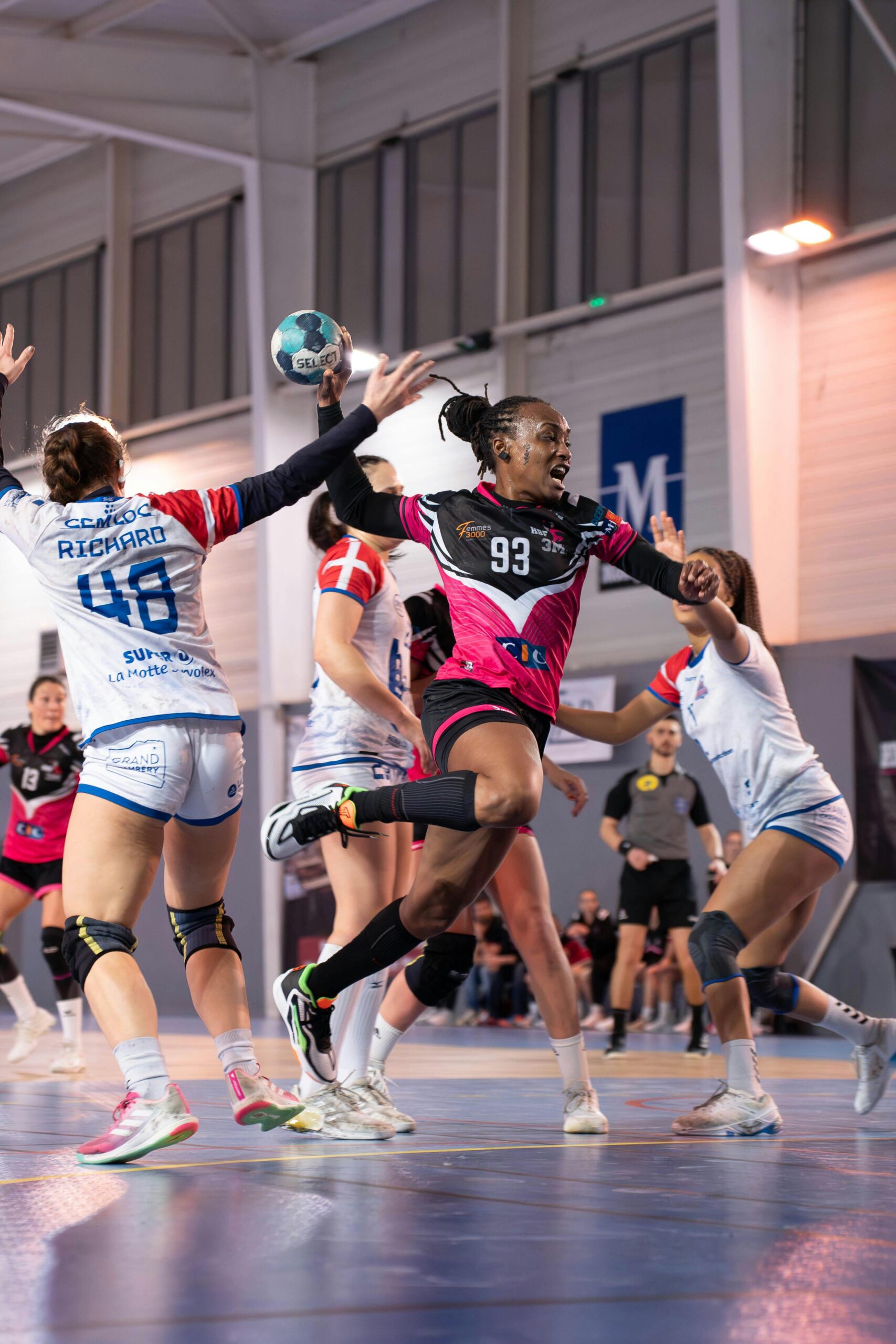
Handball is one of the fastest and most dynamic team sports in the world. Whether you’re a player, coach, or fan, understanding the balance between offense and defense in handball is essential to appreciating – and winning – the game. This guide breaks down the most important tactical concepts, practical tips, and strategic patterns that shape modern handball.
Introduction: Why Offense vs. Defense Matters in Handball
Every successful handball team is built on two pillars: a powerful, well-organized attack and a smart, compact defense. In high-level competitions, games are often decided not by who scores more spectacular goals, but by which side better controls transitions, reads the game, and adapts tactically.
This article explores:
- Core principles of offensive tactics in handball
- Key defensive systems and their strengths
- How teams manage the transition phase
- Practical training tips for players and coaches
- Short case-style examples of tactical decisions
By the end, you’ll understand not only the difference between offense and defense in handball, but also how they constantly interact and influence each other.
Understanding Offensive Tactics in Handball
Offensive handball tactics revolve around creating, exploiting, and finishing space and mismatches. At its core, good offense forces the defense to make tough decisions and punishes every mistake.
Core Principles of a Strong Handball Offense
- Width and depth: Spreading the defense horizontally with wings and vertically with line players and backcourt shooters.
- Continuous movement: Off-the-ball movement, crosses, and screens to disrupt defensive structure.
- Timing: Executing passes, cuts, and shots at the right moment, not just as fast as possible.
- Decision-making: Reading defenders’ positions and choosing the best option (shot, pass, or reset).
Main Offensive Positions and Their Tactical Roles
| Position | Main Role in Offense | Key Skills |
|---|---|---|
| Center Back | Organize attacks, call plays | Vision, passing, game IQ |
| Left/Right Back | Long-range shooting, breakthroughs | Power, 1v1, jump shot |
| Line Player (Pivot) | Open space, screens, close-range goals | Positioning, strength, ball control |
| Wings | Finish from tight angles, fast breaks | Speed, jumping, precision |
Common Offensive Systems: Structured vs. Free-Flowing
Coaches typically choose between structured plays and more fluid, principle-based attacks. Most teams mix both, depending on the game situation.
1. Structured Combinations
These are pre-designed plays, often signaled by the center back:
- Crossing actions: Two backs cross paths to confuse defenders, often followed by a pass to the wing or pivot.
- “One-two” with the line player: Back player initiates contact, passes to the pivot, then receives a quick return pass for a clear shot.
- Double cross with wing involvement: Adds more movement and stretches the defense to the corners.
2. Principle-Based (Free) Offense
Rather than fixed plays, players follow basic rules such as:
- Always maintain at least one player on each wing.
- After a pass, cut or cross into a new lane.
- If one side is overloaded, quickly switch the ball to the other.
This kind of offense is harder to scout and allows creative players more freedom, which is increasingly important in modern handball tactics.
Fast Breaks and Second Wave Offense
One of the most dangerous offensive weapons in handball is the fast break. It punishes slow defensive transitions and gives high-percentage scoring chances.
- First wave fast break: Typically wings and the first outlet player sprinting forward immediately after a save, turnover, or block.
- Second wave offense: If the immediate fast break is not possible, back players arrive at speed against a partially organized defense, leveraging late defenders.
Teams that master the transition from defense to fast break often win even if their positional attack is average, because they constantly generate easy goals.
Key Defensive Concepts in Handball
A strong handball defense is not just about blocking shots. It is about guiding the offense into low-percentage areas, forcing turnovers, and protecting the goalkeeper.
Defensive Principles: What Good Defenders Do
- Compactness: Keeping the central area (especially the 6-meter line) crowded and difficult to penetrate.
- Communication: Constantly talking, calling switches, and warning teammates of screens and cuts.
- Anticipation: Reading passes, stepping into the line of the ball, and predicting plays.
- Controlled aggression: Exerting pressure on the ball carrier without committing unnecessary fouls or exclusions.
Main Defensive Systems in Handball
| System | Formation | Best Used Against | Main Advantage |
|---|---|---|---|
| 6-0 Defense | Six players near the 6m line | Strong line players, breakthrough teams | Very compact and solid |
| 5-1 Defense | One advanced defender + five back | Teams with strong center back | Disrupts playmaker, intercepts passes |
| 4-2 Defense | Two advanced, four back | Shooting teams, two playmakers | High pressure, more steals |
| 3-2-1 Defense | Very open and aggressive | Younger teams/weak decision-making | Creates turnovers, fast breaks |
6-0 Defense
The most traditional and widely used system:
- Players form a compact wall along the 6-meter line.
- Ideal for teams with strong, tall defenders and a solid goalkeeper.
- Forces opponents to rely on outside shots and accurate backcourt play.
5-1 Defense
Used to disrupt the opponent’s organizer:
- One player (usually with good agility and anticipation) defends higher up.
- Prevents easy passes and simple combinations.
- Risk: If beaten, it can open gaps behind the advanced defender.
More Aggressive Systems (4-2, 3-2-1)
These systems are more complex and physically demanding:
- Great for creating steals and forcing rushed shots.
- Require excellent fitness, timing, and collective understanding.
- Used often as a “surprise weapon” for short periods, not necessarily for a whole match.
Defensive Tactics Against Specific Attacks
- Against strong pivots: Use fronting (defender in front of the pivot), double-teams, and early body contact to deny balls to the line.
- Against powerful shooters: Step out earlier, block aggressively, and force them into less favorable angles or weaker hands.
- Against fast, technical teams: Emphasize lateral movement, communication, and avoiding unnecessary fouls that break rhythm.
Transition: The Bridge Between Offense and Defense
The transition phase in handball is where many matches are decided. It is the moment when a team shifts from defense to offense (and vice versa) after a shot, turnover, or save.
Defensive to Offensive Transition (Fast Break Creation)
- First pass from goalkeeper: Quick, accurate throws to wings or the closest free player are crucial.
- Running lanes: Wings sprint along the sidelines; backs run central lanes for second wave options.
- Decision-making speed: Players must instantly recognize if a clear fast break is on or if it’s safer to slow down.
Offensive to Defensive Transition (Preventing Fast Breaks)
- Balance players: One or two backcourt players hold a slightly deeper position during attack to counter potential fast breaks.
- Immediate retreat: As soon as the ball is lost, three to four players sprint back, prioritizing the center to protect the goal.
- Smart fouls: A tactical foul at midcourt can stop a dangerous fast break (within the rules, avoiding 2-minute suspensions).
Offense vs. Defense: Tactical Trade-Offs
Every tactical choice in handball influences both offense and defense. Coaches constantly manage trade-offs to maximize their team’s strengths and minimize weaknesses.
Examples of Tactical Trade-Offs
- More aggressive defense → more fast breaks, but more risk: A 3-2-1 system can create steals and quick goals, but leaves bigger gaps if communication fails.
- Slower, structured offense → fewer turnovers, but less surprise: Safe ball circulation and set plays reduce risk but can be predictable.
- Seven vs. six attack (extra attacker, no goalkeeper): Offers numerical superiority in offense but leaves an empty goal, increasing counterattack danger.
Mini Case: Changing Defense to Win the Match
Imagine a team struggling against an opponent with a powerful backcourt shooter who scores repeatedly over a 6-0 block. The coach decides to switch to a 5-1 defense, pushing one defender higher to disturb the shooter’s rhythm and block passing lanes. As a result:
- The shooter receives fewer clean balls.
- Passes become riskier, leading to steals.
- Your team converts those steals into fast-break goals.
This simple tactical change can completely swing momentum in your favor, illustrating how important defensive adjustments are in the offense vs. defense balance.
Practical Tips for Players and Coaches
For Offensive Players
- Read the defense early: Before you receive the ball, know if the defender is deep, high, or shifting.
- Vary your play: Mix shots, passes, and breakthroughs; don’t become predictable.
- Play with the pivot: Work on timing to give the line player clean balls under pressure.
- Use feints effectively: Simple body fakes or changes of direction can create big gaps when timed well.
For Defensive Players
- Stay connected: Defend as a unit; never isolate yourself from the block.
- Hands active: Make every pass difficult by blocking passing lanes and shot paths.
- Know opponents: Learn who likes to shoot, who prefers to pass, and adjust pressure accordingly.
- Master body contact: Legal, controlled contact stops breakthroughs without giving away penalties.
For Coaches
- Train transitions as a priority: Design drills that connect defense, first pass, and fast break finishing.
- Use video analysis: Show players how small positional mistakes lead to big chances for the opponent.
- Develop 2-3 base systems: Have a primary defense and at least one alternative to change the game’s rhythm.
- Encourage communication: Make talking on defense a measurable performance goal, not just a suggestion.
Benefits of Mastering Handball Tactics
Understanding and applying these offensive and defensive concepts offers clear benefits, whether you’re playing recreationally or at a competitive level.
- Better results: Smarter tactics lead directly to more goals scored and fewer conceded.
- Improved player development: Players learn to read the game, not just execute isolated skills.
- More enjoyable games: When everyone understands the plan, the game flows and frustration decreases.
- Greater adaptability: Teams can adjust to different opponents, playing styles, and match situations.
Conclusion: Balancing Attack and Defense in Modern Handball
In handball, offense and defense are not separate worlds – they are constantly connected through transitions, tactical decisions, and player roles. A powerful attack without a solid defense, or a strong defense without effective scoring, will not win championships.
To raise your level:
- Study and practice structured offensive systems and principle-based free play.
- Learn how different defensive formations (6-0, 5-1, 3-2-1) affect the game.
- Focus heavily on the transition phase to create easy goals and prevent fast breaks.
- Continuously analyze your matches, looking for chances to better balance offense and defense.
By mastering these key tactical concepts, players and coaches can unlock a deeper understanding of the sport, turn close games into wins, and enjoy the full strategic richness of handball.