Playing sports on sand feels soft and forgiving, but the reality is that sand can hide serious injury risks. Whether you play beach volleyball, beach soccer, sand handball, or just enjoy casual games on the shore, using the right protective equipment on sand-especially knee pads and mouthguards-can dramatically reduce your chances of getting hurt.
In this guide, we’ll walk through how sand affects your body, why specific gear matters, and how to choose and use knee pads, mouthguards, and other protective equipment so you can enjoy the sand while staying safe.
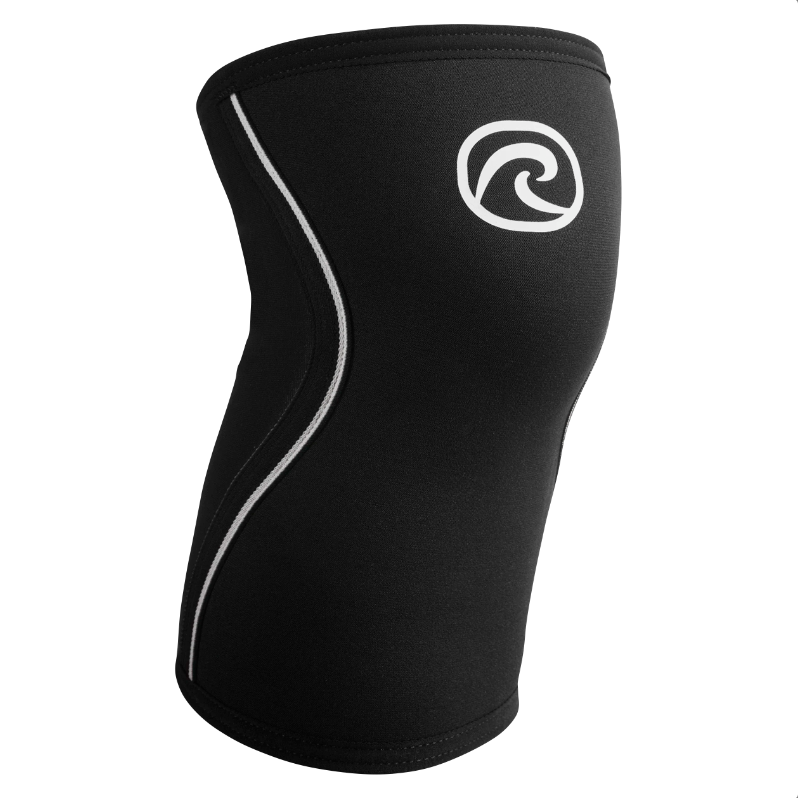
Why You Need Protective Equipment on Sand
Soft sand tricks many athletes into thinking it’s automatically safer than hard courts. In some ways it is, but it also creates unique stresses and hazards:
- Instability: Your feet sink into sand, forcing your ankles, knees, and hips to work harder to stabilize your body.
- Hidden debris: Broken glass, rocks, shells, and even metal objects can lurk just under the surface.
- Repetitive impact: Constant diving, sliding, and twisting puts stress on joints and muscles.
- Fatigue: Moving on sand is more demanding, which increases the risk of awkward landings and poor form.
All of this makes injury prevention on sand a priority-not just for competitive athletes but for anyone who wants to stay active, pain-free, and confident.
Common Injuries in Sand Sports
Before choosing the right protective gear, it helps to understand what you’re protecting yourself from. Some of the most common sand sport injuries include:
- Knee abrasions and bruises from frequent dives and falls.
- Patellar tendon and kneecap pain from jumping and landing on an unstable surface.
- Ankle sprains and foot strains due to uneven terrain and sudden direction changes.
- Shoulder and wrist injuries from landing awkwardly when diving.
- Facial injuries (cut lips, broken or chipped teeth) from elbows, balls, or accidental collisions.
- Overuse injuries to hips, lower back, and hamstrings from repetitive explosive movements.
Many of these can be significantly reduced with simple but effective protective equipment on sand, especially proper knee pads and mouthguards.
Knee Pads on Sand: Do You Really Need Them?
When people think of knee pads, they usually picture indoor volleyball courts or hard floors. But knee pads for sand are quickly becoming standard among serious beach athletes.
Benefits of Knee Pads for Sand Sports
- Impact absorption: Cushions the knee when you dive or fall, reducing bruising and joint stress.
- Abrasion protection: Prevents scrapes from coarse sand, small stones, or shells.
- Confidence boost: When your knees feel protected, you’re more willing to dive aggressively for the ball.
- Long-term joint health: Reduces repeated microtrauma to the patella and surrounding tendons.
Types of Knee Pads for Sand
Not all knee pads are created equal. Indoor pads can be too bulky, hot, and heavy on the beach. Look for sand-specific knee pads or at least designs that perform well in heat and moisture.
| Type | Best For | Key Advantages | Potential Drawbacks |
|---|---|---|---|
| Neoprene sleeves with padding | Beach volleyball, beach tennis | Light, flexible, quick-drying | Less protection than hard shells |
| Minimalist foam pads | Recreational players | Affordable, comfortable | Limited impact absorption |
| Hybrid sand/indoor pads | Multi-sport athletes | Versatile, moderate padding | Can get warm in the sun |
| Compression sleeves only | Support without bulk | Improves circulation, light support | No real impact protection |
How to Choose the Right Knee Pads for Sand
Use these tips when selecting protective knee equipment for the beach:
- Fit snugly, not tightly: You should be able to bend your knees fully without pinching or sliding.
- Sand-friendly fabric: Look for smooth, low-friction outer material so sand doesn’t stick.
- Breathability: Mesh panels or perforated neoprene help reduce heat buildup.
- Quick-drying design: Essential if you play near the water or sweat heavily.
- Coverage: The pad should fully cover the kneecap and slightly above/below it.
Practical Tips for Using Knee Pads on Sand
- Rinse after every session: Salt and sand can break down fabrics and stitching.
- Air-dry in the shade: Direct sun can weaken elastic and fade materials over time.
- Rotate pairs: If you play often, having two pairs extends the life of each.
- Check stitching regularly: Replace knee pads once padding compresses or the fabric starts to tear.
Mouthguards on Sand: Protecting Your Teeth and Jaw
Mouthguards are often associated with boxing, rugby, or American football, but mouthguards for sand sports are just as important. High-speed spikes, headers, accidental elbows, and collisions can all cause dental or facial injuries-even on a soft surface.
Why Mouthguards Matter in Sand Sports
- Protect teeth: Reduces the risk of chipped, broken, or knocked-out teeth.
- Guard lips and tongue: Helps prevent cuts during impact.
- Support the jaw: Can help distribute impact forces and lower the risk of jaw fractures.
- Potential concussion reduction: Some studies suggest mouthguards may help absorb shock forces, although they’re not a guaranteed concussion shield.
Types of Mouthguards for Sand Sports
| Type | Fit | Protection Level | Ideal User |
|---|---|---|---|
| Stock (ready-made) | Loose, one-size | Basic | Occasional players |
| Boil-and-bite | Customizable at home | Good | Most recreational & club players |
| Custom dental mouthguard | Professional fit | Excellent | Elite & high-frequency athletes |
Choosing a Mouthguard for Beach and Sand Sports
When selecting a mouthguard for beach volleyball, soccer, or handball, look for:
- Comfortable, secure fit: You should be able to talk, breathe, and drink without removing it.
- Durable material: Especially if you grind your teeth when you play.
- Easy cleaning: Sand environments are dusty and sweaty; hygiene matters.
- Strap or no strap: Strapped versions can be clipped to gear; strapless models feel less bulky.
Mouthguard Care and Hygiene Tips
- Rinse before and after use: Use cool water or a mild mouthwash.
- Store in a ventilated case: Avoid sealing moisture inside a non-breathable box.
- Keep away from direct sun: Heat can warp the shape and ruin the fit.
- Replace when worn: Look for bite marks, thinning, or cracking in the material.
Other Essential Protective Equipment on Sand
While knee pads and mouthguards are top priorities, a complete sand sports safety setup often involves a few more items.
Ankle Braces and Support
Because sand is unstable, ankles work overtime. Consider:
- Light ankle braces for players with a history of sprains.
- Taping techniques (done professionally or properly learned) for added support.
- Targeted strengthening for calves and ankles as part of your warm-up routine.
Protective Eyewear and Sunglasses
Sand, sun, and wind can be brutal on your eyes. Good sports sunglasses should offer:
- UV protection: Essential in bright beach environments.
- Anti-fog and scratch-resistant lenses: To maintain visibility.
- Secure fit: Wraparound styles with rubberized arms or adjustable straps.
Sun Protection as Injury Prevention
Sunburn and heat exhaustion may not sound like “sports injuries”, but they directly affect performance and safety:
- High-SPF, sweat-resistant sunscreen on all exposed skin.
- Lightweight, UV-protective clothing where possible.
- Hydration plan-regular small sips instead of waiting until you feel thirsty.
Injury Prevention Strategies Beyond Protective Gear
Protective equipment on sand works best as part of a complete injury prevention strategy that includes preparation, technique, and recovery.
Warm-Up and Mobility for Sand Sports
Before you jump into intense games on sand, take 10-15 minutes to prepare your body:
- Dynamic stretches: Leg swings, hip circles, arm circles, lunges with rotation.
- Activation drills: Glute bridges, calf raises, mini-squats in the sand.
- Light jogging or shuffles: To wake up your muscles and joints.
Technique and Body Awareness
- Learn safe landing techniques: Bend knees and hips when landing from jumps.
- Practice controlled dives: Roll through your shoulder and side instead of landing flat.
- Stay balanced: Keep a low center of gravity when changing direction on uneven sand.
Recovery and Load Management
- Gradually increase intensity: Don’t go from zero to all-out tournaments in one week.
- Schedule rest days: Sand is harder on your body than most people realize.
- Hydrate and refuel: Electrolytes and quality food help muscles recover.
Sample Sand Sports Safety Checklist
Use this quick checklist before your next session on the beach or sand court.
| Item | Check |
|---|---|
| Knee pads clean, dry, and in good condition | ✔ / ✖ |
| Mouthguard packed and sanitized | ✔ / ✖ |
| Ankle support (brace/tape) if needed | ✔ / ✖ |
| Sunscreen applied (and packed for reapplication) | ✔ / ✖ |
| Sports sunglasses or hat/visor | ✔ / ✖ |
| Warm-up completed (10-15 minutes) | ✔ / ✖ |
| Water and electrolytes ready courtside | ✔ / ✖ |
Real-World Scenario: How Protective Gear Changes the Game
Imagine two beach volleyball players who train three times a week on a public sand court.
- Player A plays without knee pads or a mouthguard. After a few weeks, they develop persistent knee bruises and start holding back on dives. One afternoon, a hard-driven ball ricochets off a block and clips their jaw, causing a chipped tooth and a painful lip cut.
- Player B invests in sand-specific knee pads and a boil-and-bite mouthguard. They dive more confidently, picking up more balls and enjoying each session. When a similar misdirected ball hits their mouth, the mouthguard absorbs much of the force. They walk away with a sore lip-but no dental bill.
Both are playing the same sport on the same sand. The difference is that Player B viewed protective equipment as part of their performance toolkit, not just a hassle.
Practical Buying Guide: Getting the Most from Your Gear
Key Features to Look For in Sand Knee Pads
- Low-profile padding: Enough cushion without restricting movement.
- Secure bands: Silicone grippers or ergonomic shaping to prevent slipping.
- Reinforced front panel: Extra durability where you make the most contact.
Key Features to Look For in Mouthguards
- Single or double layer design: Single layer for comfort, double layer for extra protection.
- Clear breathing channel: Small air passages so you can breathe during intense rallies.
- BPA-free materials: Safer for long-term use in the mouth.
SEO-Friendly FAQs About Protective Equipment on Sand
Do I really need knee pads on soft sand?
Yes, especially if you dive frequently. Sand can be surprisingly abrasive and often hides debris. Knee pads protect your kneecaps from impact and chronic irritation.
Are mouthguards necessary for beach volleyball and beach soccer?
While not always mandatory, mouthguards are strongly recommended. Collisions, elbows, and fast-moving balls can quickly lead to chipped teeth or cuts without warning.
Can I use my indoor volleyball knee pads on sand?
You can, but they may be too hot and may retain sand and moisture. Sand-specific or lighter neoprene pads are usually more comfortable and practical outdoors.
How often should I replace my knee pads and mouthguard?
Replace knee pads when the padding becomes thin or the fabric tears. Replace your mouthguard at least once a season, or sooner if it’s deformed, cracked, or no longer fits snugly.
Conclusion: Safe Knees, Strong Teeth, Better Performance
Protective equipment on sand isn’t just for professional athletes-it’s for anyone who wants to enjoy beach sports without nagging pain or preventable injuries. The right knee pads reduce impact and abrasions, while a well-fitted mouthguard protects your teeth and jaw from unexpected hits.
When you combine smart gear choices with proper warm-ups, technique, and recovery, you create a powerful injury prevention plan for sand sports. The payoff is simple: you stay on the court longer, play harder, and walk off the sand feeling strong instead of sore.
Next time you pack your bag for the beach, treat your protective equipment as essential as the ball itself-your body will thank you, game after game.