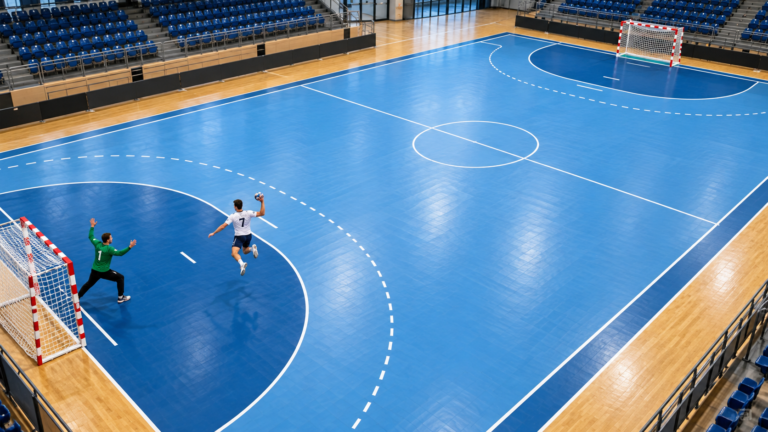

Beach sports like beach volleyball, beach soccer, and beach handball are fast, dynamic, and packed with action. But with the intensity of play comes the need for clear rules, fouls, and progressive punishments that keep the game fair and safe. Whether you’re a player, coach, referee, or simply a fan, understanding how fouls and penalties on the sand work will dramatically improve the way you experience the game.
In this guide, we’ll break down what progressive punishment means, how it works in the context of sand sports, and why it matters. You’ll also find practical tips, examples, and easy-to-scan tables styled for WordPress.
What Are Progressive Punishments in Sand Sports?
Progressive punishment is a disciplinary system where the severity of the penalty increases with repeated or more serious fouls. Instead of treating every foul the same way, the referee escalates the response step by step:
- Minor, accidental fouls → warnings
- Repeated or reckless fouls → penalty points, cards, or suspensions
- Serious or violent actions → ejection or disqualification
This system is widely used in beach volleyball, beach soccer, and beach handball. Although each sport has its own specific rulebook, the logic behind fouls and penalties on the sand is similar: protect players, encourage fair play, and keep the game flowing.
Why Fouls and Penalties on the Sand Matter
Sand surfaces might feel soft, but beach sports are still physically demanding and competitive. Without a clear system of fouls and penalties, games would quickly become chaotic or even dangerous.
Progressive punishments help to:
- Protect player safety – discouraging dangerous tackles, contact, and unsporting behavior.
- Ensure fair competition – stopping teams from abusing the rules to gain an advantage.
- Support referees – giving clear, step-by-step tools to manage the match.
- Educate players – teaching what is acceptable and what will be punished.
When everyone understands how fouls are handled, arguments decrease, respect grows, and the game improves.
Common Types of Fouls on the Sand
Different beach sports define fouls slightly differently, but most fall into a few main categories.
1. Technical Fouls
These are violations of the rules that don’t usually involve contact with another player. Examples include:
- Illegal serve or rotation (beach volleyball)
- Double touch or lift (beach volleyball)
- Incorrect throw-off or goalkeeper movement (beach handball)
- Improper restart or offside behavior (beach soccer)
Technical fouls generally result in loss of possession, a point for the opponent, or a free throw/free kick.
2. Contact Fouls
On the sand, many sports are designed to be low- or non-contact, but some physical contact is inevitable. Contact fouls include:
- Pushing, charging, or holding an opponent
- Dangerous tackles (especially in beach soccer)
- Blocking or jumping into a player’s space dangerously
These fouls can be punished progressively: from a verbal warning, to a free kick/throw, to cards or suspensions.
3. Unsporting Behavior
This category is crucial in beach sports. Unsporting behavior includes:
- Arguing aggressively with referees or opponents
- Taunting, insulting, or provoking others
- Deliberately delaying the game
- Celebrations that humiliate or disrespect opponents
Unsporting conduct is often where progressive punishment really kicks in-because repeated disrespect cannot be ignored.
4. Serious Misconduct
These are the actions that can get a player sent off the sand immediately:
- Violent conduct (punching, kicking, headbutting)
- Spitting at an opponent or official
- Extreme verbal abuse or discriminatory language
- Physical assault of a referee or spectator
Such behavior usually results in ejection or disqualification and may lead to further suspension from future matches or tournaments.
The Progressive Punishment Ladder Explained
To understand progressive punishments on the sand, think of a ladder: each step represents a higher level of sanction. Not every match uses every step, but referees move up the ladder as behavior worsens.
| Step | Action by Referee | Typical Reason | Impact on Game |
|---|---|---|---|
| 1 | Verbal Warning | First minor foul, low impact | No direct scoring impact, but sets tone |
| 2 | Formal Warning / Hand Signal | Repeated minor fouls | Next offense will be punished more harshly |
| 3 | Penalty (Point / Free Kick / Free Throw) | Persistent infringement or clear foul | Opponents gain a clear advantage |
| 4 | Yellow Card / Temporary Suspension | Unsporting behavior, reckless play | Player sits out or is under final warning |
| 5 | Red Card / Ejection | Serious or violent misconduct | Team plays short; player is out |
Each sport defines these steps slightly differently, but the logic of escalation is the same.
Progressive Punishments by Sport
Beach Volleyball Fouls and Penalties
In beach volleyball, the main focus is on technical and ball-handling fouls rather than heavy contact. Common issues include:
- Net contact during play
- Double contact on setting
- Lift or carry when playing the ball
- Delay of game or arguing with officials
A simplified progression in beach volleyball could look like this:
- First offense – Point and service to the opponent
- Repeated delay or dissent – Warning from the referee
- Persistent unsporting behavior – Penalty point; possibly a card depending on the rule set
- Severe misconduct – Possible disqualification from the match or tournament
Because the game is rally-based, most penalties immediately convert into points for the other team, making discipline part of the scoreboard.
Beach Soccer Fouls and Penalties
Beach soccer is more physical by nature, so its progressive punishments are very visible.
- Direct free kicks for fouls and handballs
- Yellow cards for reckless challenges or persistent fouling
- Red cards for violent conduct, denying a goal with a handball, or serious foul play
Many beach soccer competitions also use a temporary expulsion (for example, 2 minutes) after a red card before a substitute is allowed back in, which affects team strategy significantly.
Beach Handball Fouls and Penalties
Beach handball combines creativity with contact, so its rules for progressive punishment are very structured.
- Free throws for minor fouls or illegal contact
- Progressive punishment (verbal warning, then formal warning, then 2-minute suspension)
- Direct disqualification (red card) for serious fouls or dangerous actions
Since each goal can count for 1 or 2 points depending on the action, a punishment leading to a penalty throw can completely change the momentum of a set.
How Referees Use Progressive Punishments on the Sand
Referees don’t just hand out penalties randomly. They follow a mental checklist based on:
- Intent – Was the foul accidental or deliberate?
- Impact – Did it stop a clear scoring chance or put someone at risk?
- Repetition – Is this a one-off mistake or part of a pattern?
- Reaction – Does the player accept the call or escalate tension?
Using these elements, referees can decide whether to:
- Give a quiet reminder or verbal warning
- Signal a formal warning or card
- Move straight to ejection for serious misconduct
This approach keeps matches under control without constantly interrupting the natural flow of the game.
Benefits of a Progressive Penalty System in Beach Sports
Progressive punishment isn’t just about discipline; it’s a tool for better games and better experiences for everyone on the sand.
| Benefit | For Whom | Why It Matters |
|---|---|---|
| Safer Play | Players | Reduces injuries from reckless behavior |
| Clear Expectations | Coaches & Teams | Makes training for fair play easier |
| Authority Support | Referees | Provides structured tools to manage games |
| Better Spectacle | Fans | Less chaos, more exciting and flowing games |
Practical Tips to Avoid Fouls and Penalties on the Sand
For Players
- Know the rulebook – Even a quick read of the basic rules of your sport can prevent many avoidable fouls.
- Control your emotions – Sand heats up, and so do tempers. Walking away from a confrontation is often the smartest play.
- Communicate with teammates – Call out switches, marks, or screens to avoid last-ditch, risky challenges.
- Respect the referee – Calm questions are allowed; aggressive protests rarely change calls and often escalate punishments.
For Coaches
- Train discipline, not just skills – Build scenarios in practice where players must react to bad calls or pressure moments without losing control.
- Discuss progressive punishment – Make sure your players understand that each foul brings them closer to a card or suspension.
- Lead by example – Your attitude toward officials will often be mirrored by your players.
For Referees
- Be consistent – Apply the same standard to both teams throughout the match.
- Use your voice early – Calm explanations and preventive communication can stop problems before they require a card.
- Know when to escalate – If warnings aren’t working, move up the ladder confidently.
Case Studies: Progressive Punishments in Action
Case Study 1: Beach Soccer – From Playful to Problematic
Situation: A defender repeatedly delays free kicks by standing too close to the ball, trying to disrupt the rhythm of the opponent.
Progression:
- First time – Referee verbally warns and asks the defender to move back.
- Second time – Referee stops play, signals an official warning, and allows the kick to be retaken.
- Third time – Yellow card for persistent infringement; the attacking team gets another free kick, now with the defender on a caution.
Result: The message is clear: tactical fouling and game delays will escalate into personal sanctions.
Case Study 2: Beach Volleyball – Respecting Officials
Situation: A player disagrees with a line call and starts shouting at the referee after each close point.
Progression:
- First outburst – Verbal reminder to calm down.
- Continued dissent – Official warning; the captain is informed.
- Further abuse – Penalty point to the opponent and potential card or removal depending on the competition rules.
Result: Emotional control becomes part of the competitive strategy.
First-Hand Style Insight: How It Feels on the Sand
Anyone who has played on the sand knows how quickly a match can flip. One moment you’re chasing a comeback; the next, a penalty or card turns the tide completely. Players often describe the feeling of being “on a card” or under a formal warning as walking a tightrope-every challenge, every word to the referee, carries extra weight.
This is the heart of progressive punishments on the sand: your decisions under pressure matter. The system rewards self-control and punishes recklessness, making mental strength just as important as physical skills.
SEO Quick Guide: Key Terms Around Fouls and Penalties on the Sand
If you’re a coach, content creator, or club manager writing or teaching about beach sports, it helps to use clear, consistent terminology. Below is a short reference table:
| Keyword / Term | Simple Definition | Where It Applies |
|---|---|---|
| Fouls on the sand | Rule violations in beach sports | All beach games |
| Progressive punishment | Step-by-step escalation of penalties | Refereeing systems |
| Unsporting behavior | Disrespectful or unfair actions | Players & coaches |
| Yellow card | Official caution, next step is harsher | Beach soccer, handball |
| Red card | Immediate ejection from the game | Beach soccer, handball |
Conclusion: Play Hard, Play Fair, Know the Consequences
Understanding fouls and penalties on the sand is more than just memorizing what earns a yellow card or a free kick. It’s about recognizing how progressive punishments shape behavior, protect players, and maintain the integrity of beach sports.
When players and coaches respect the ladder of escalation-from verbal warnings to ejections-games become not only safer, but also more exciting and enjoyable to watch. The best teams on the sand aren’t just technically skilled; they’re also disciplined, composed, and smart about how they handle pressure and conflict.
Whether you’re stepping onto a beach court for the first time or guiding an experienced squad through a tournament, keep this in mind: every choice you make on the sand can move you up or down the punishment ladder. Learn the system, respect the officials, and you’ll give yourself and your team the best chance to shine-fairly and fearlessly-under the sun.