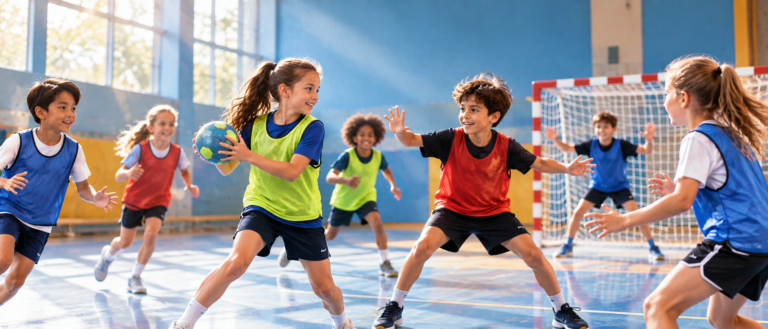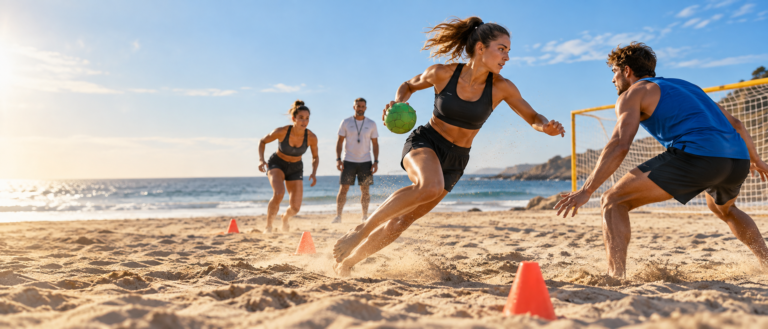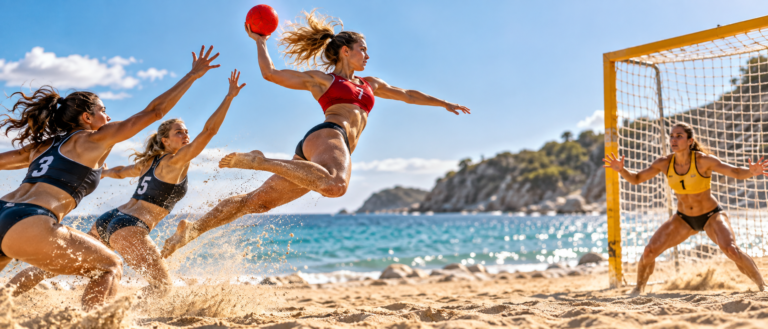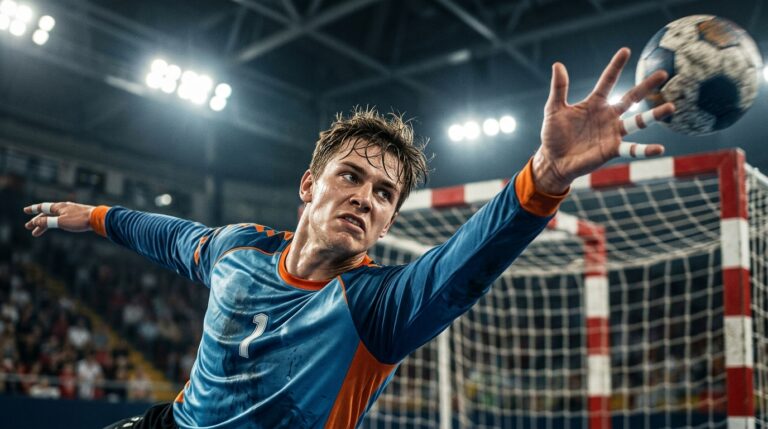
Beach handball is rapidly transforming from a niche beach sport into a global spectacle. With its dynamic plays, acrobatic goals, and thrilling shoot-outs, many fans are asking the same question: When will beach handball become an Olympic sport, and how will Olympic qualification work?
This in-depth guide explores the current status of beach handball in the Olympic movement, the likely qualification pathways for a future Olympic Games such as Paris and beyond, and what national teams, players, and fans can expect in the coming years.
Is Beach Handball an Olympic Sport Yet?
As of now, beach handball is not yet on the official Olympic sports programme. However, its position in the Olympic ecosystem is stronger than ever:
- Youth Olympic Games: Beach handball has already been played at the Youth Olympic Games (e.g., Buenos Aires 2018), where it was a major success among athletes and spectators.
- International Handball Federation (IHF): The IHF has strongly supported beach handball with regular World Championships, continental championships, and World Games participation.
- IOC Recognition: Beach handball is recognized as a discipline under the IHF umbrella and is regularly promoted in IOC discussions about future Olympic sports.
Because of this momentum, many experts believe that beach handball Olympic qualification for a future Games (Los Angeles 2028 or later) is increasingly realistic. Understanding the likely qualification pathways now can help federations and players prepare strategically.
How Olympic Qualification Usually Works in Team Sports
Before exploring beach handball specifically, it helps to understand the typical Olympic qualification systems for team sports like indoor handball, rugby sevens, or beach volleyball.
Common elements include:
- Host nation quota: The host country usually receives an automatic spot in both men’s and women’s tournaments.
- World Championships: Top finishers at the most recent World Championship often qualify directly for the Olympics.
- Continental qualifiers: Each continent (Europe, Asia, Africa, Pan America, Oceania) is allocated quota spots through continental championships or qualifiers.
- Final qualification tournaments: Remaining quota places are decided at one or more intercontinental qualifying tournaments.
Any future beach handball Olympic qualification system will almost certainly mirror this multi-layered approach, combining world-level and continental results.
The Likely Path to Olympic Qualification in Beach Handball
Because the IOC and IHF have not yet confirmed an official beach handball Olympic qualification pathway, we must look at existing models in the sport itself. Beach handball already has a well-structured competitive pyramid leading to the IHF Beach Handball World Championship and the World Games.
1. National Championships and National Teams
The journey to the Olympics will always begin at home:
- Local and national leagues: Players develop through their clubs and domestic beach handball tournaments.
- National championships: Performance at national championships often leads to national team selections.
- Talent identification programmes: Many federations use youth national teams and university competitions to identify future beach handball stars.
For ambitious players, excelling at domestic level is the first and critical step toward any future Olympic beach handball qualification.
2. Continental Championships
Continental events are already central to determining qualification for World Championships and could be adapted for Olympic qualification. The major confederations are:
| Continent | Governing Body | Key Beach Handball Event |
|---|---|---|
| Europe | European Handball Federation (EHF) | EHF Beach Handball EURO |
| Asia | Asian Handball Federation (AHF) | Asian Beach Handball Championship |
| Pan America | South & North America bodies | Pan American Beach Championship |
| Africa | African Handball Confederation (CAHB) | African Beach Handball Championship |
| Oceania | Oceania Continent Handball Federation (OCHF) | Oceania Beach Handball Championship |
In a future Olympic cycle, these tournaments could be used to:
- Distribute continental Olympic quota places directly.
- Determine which teams enter a final global qualification tournament.
3. IHF Beach Handball World Championships
The IHF Beach Handball World Championships are currently the pinnacle of the sport and are likely to become central to any Olympic qualification route. A typical model could look like this:
- World Champion: Direct Olympic berth for the winner (or medalists).
- Top-ranked teams: Additional quotas for high-placing teams not already qualified through their continent.
- Seeding for Olympic tournament: World Championship results used to seed Olympic groups.
For national teams, this means one thing: consistent performance on the World Championship stage will be non-negotiable in any Olympic cycle.
4. World Games and Multi-Sport Beach Events
Beach handball is already included in multi-sport events like the World Games and regional beach games (e.g., Mediterranean Beach Games, Asian Beach Games). While these are not currently Olympic qualifiers, they could become important in terms of:
- Ranking points toward Olympic qualification.
- Experience in multi-sport environments similar to the Olympics.
- Visibility to the IOC and international media.
Case Study: How a Future Olympic Cycle Could Look
To make this more concrete, imagine a hypothetical scenario where beach handball is added to the Los Angeles 2028 Olympic Games. A potential Olympic qualification pathway might look like this:
| Stage | What Happens | Olympic Impact |
|---|---|---|
| 2025-2026 | National & continental competitions | Teams build rankings, qualify for continental events |
| 2026 | Continental beach handball championships | Top finishers secure continental quota spots |
| 2027 | IHF Beach Handball World Championship | World champion + top-ranked teams qualify directly |
| Early 2028 | Final Olympic qualification tournament | Remaining spots decided among best non-qualified teams |
| Summer 2028 | Olympic Games – beach handball debut | 12-16 teams per gender compete for medals |
This model draws heavily on how indoor handball and beach volleyball allocate Olympic spots, making it both realistic and familiar to federations.
Key Factors That Will Shape Beach Handball Olympic Qualification
While the exact details are not yet approved, several factors will strongly influence the final beach handball Olympic qualification system:
1. Number of Teams and Athlete Quota
The IOC strictly controls the total number of athletes at the Games. Beach handball will need to fit within those limits. Typical scenarios include:
- 12 teams per gender: Similar to indoor handball, with balanced continental representation.
- 10 or 16 teams per gender: Possible variations depending on venue capacity and IOC decisions.
The smaller the tournament field, the more competitive Olympic qualification will be.
2. Continental Balance
A core Olympic principle is universal representation. Even if Europe currently dominates beach handball, the qualification system will likely guarantee places for every continent:
- At least one team per continent.
- Additional spots allocated to continents with stronger rankings and more registered teams.
3. Host Nation Privileges
Historically, the host nation receives an automatic spot in the Olympic tournament. For beach handball this would mean:
- Host country fields a team in both men’s and women’s competitions.
- If the host also qualifies through other pathways, an extra spot may open for another team.
What National Federations Should Do Now
Even before a formal Olympic qualification pathway for beach handball is announced, federations and teams can take proactive steps to position themselves for success.
1. Invest in Domestic Structures
- Create regular national beach handball leagues and cups.
- Develop youth and university circuits to widen the talent base.
- Support both men’s and women’s programmes equally, as Olympic inclusion will feature both.
2. Build Elite Coaching and Support Staff
- Certify coaches in beach handball-specific training methods, not just indoor handball.
- Integrate strength & conditioning, sports science, and video analysis.
- Collaborate with sports medicine professionals who understand the demands of sand performance.
3. Prioritize Continental and World Championships
Treat every continental and world-level event as a dress rehearsal for Olympic qualification. That means:
- Planning long-term performance peaks.
- Sending the best possible roster to IHF competitions.
- Gathering data and scouting rival nations extensively.
Benefits of Beach Handball’s Olympic Journey
The potential inclusion of beach handball in the Olympic Games offers significant benefits for players, federations, and the sport itself.
1. Global Visibility and Growth
- Television and streaming exposure drive massive interest among new fans.
- More children and teenagers are likely to try beach handball when it carries the Olympic label.
- Sponsors become more willing to invest in national teams and leagues.
2. Professionalization of the Sport
- Increased funding for high-performance programmes.
- Better training facilities, coaching, and player support.
- Potential for semi-professional or professional leagues in major beach handball nations.
3. Opportunities for Traditional and Emerging Nations
Because beach handball requires less infrastructure than indoor handball, it offers unique opportunities for emerging handball nations:
- Countries with long coastlines or strong beach culture can quickly develop competitive programmes.
- Smaller federations can specialize in beach handball and target Olympic appearance as a realistic goal.
Practical Tips for Players Aiming at Future Olympic Qualification
If you are a player dreaming of competing in a future Olympic beach handball tournament, the work starts long before the IOC confirms the event.
1. Master the Beach-Specific Skills
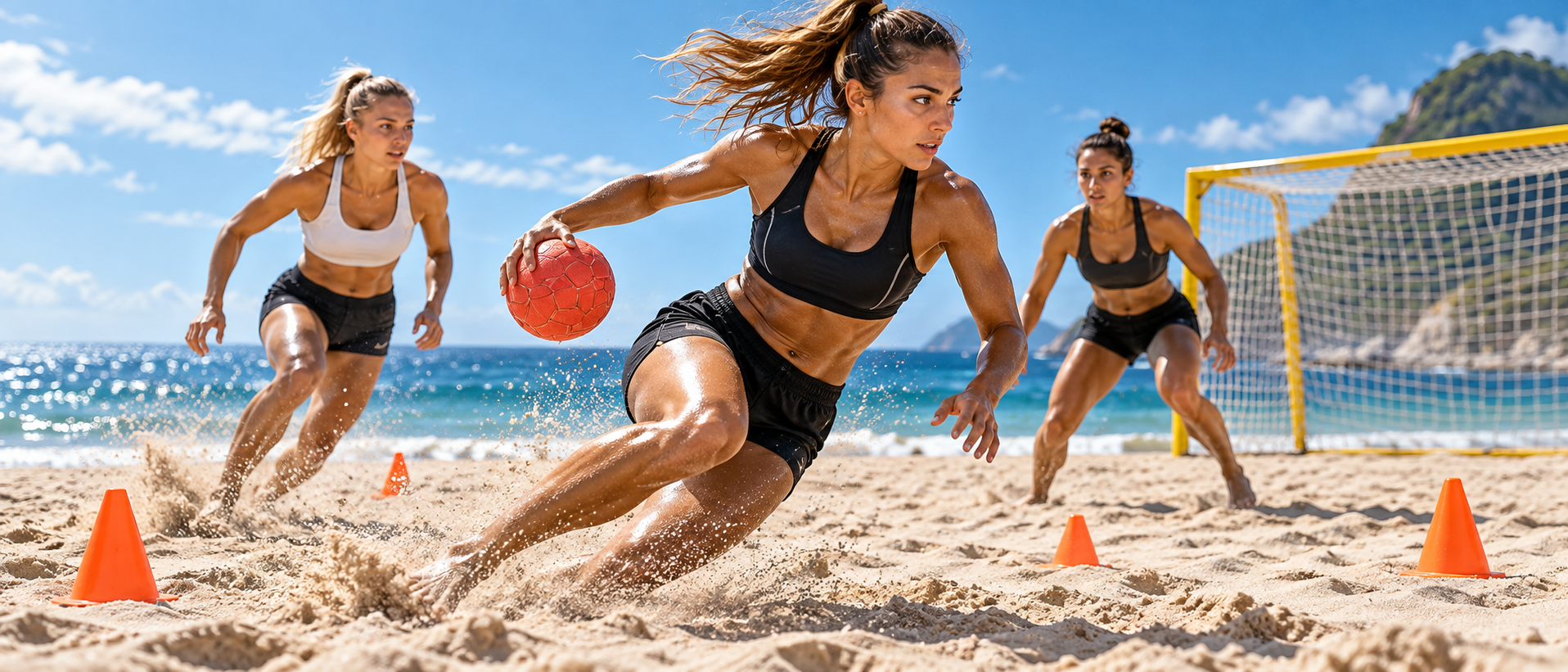
- 360° shots and spin moves: These iconic beach handball actions are crucial for scoring two-point goals.
- Sand movement: Practice acceleration, deceleration, and jumping in deep sand.
- Goalkeeper skills: The role is unique in beach handball, often doubling as an attacking weapon in transitions.
2. Compete Internationally as Early as Possible
- Join international beach handball tours or club tournaments.
- Seek opportunities to play abroad in countries with strong beach handball cultures (e.g., Brazil, Spain, Croatia).
- Use each event to learn from different tactical systems and coaching styles.
3. Build a Professional Athlete Profile
- Maintain a strong physical conditioning programme year-round.
- Develop mental skills: focus, resilience, and performance under pressure.
- Promote yourself sensibly on social media to attract attention from top clubs and national selectors.
Beach Handball vs. Indoor Handball in the Olympic Context
Indoor handball is already a well-established Olympic sport. The rise of beach handball raises natural questions about how the two will coexist within the Olympic programme.
| Aspect | Indoor Handball | Beach Handball |
|---|---|---|
| Venue | Indoor arena | Outdoor sand court |
| Team Size | 7 on court | 4 on court |
| Style | Physical, tactical | Fast, acrobatic, spectacular |
| Olympic Status | Core sport | Potential future discipline |
The most likely outcome is that both versions of handball will complement each other within the Olympic movement, showcasing the sport’s versatility and broad appeal.
Looking Beyond Paris: The Future of Beach Handball in the Olympics
While Paris 2024 has focused on existing sports and a limited number of new events, the IOC continuously evaluates disciplines for future editions of the Games. For beach handball, the long-term horizon is highly promising:
- Los Angeles 2028: Ideal setting with strong beach culture and existing beach sports infrastructure.
- Brisbane 2032: Another coastal host, where beach sports can be a central visual identity of the Games.
- Ongoing Youth Olympic presence: Continued inclusion here strengthens the case for full Olympic status.
The path to Olympic recognition and qualification is a marathon, not a sprint. However, every World Championship, every World Games appearance, and every sold-out beach venue moves beach handball closer to its goal.
Conclusion: Preparing for the Beach Handball Olympic Era
Beach handball may not yet be part of the official Olympic programme, but all signs point toward a future where Olympic beach handball qualification becomes a reality. Understanding how Olympic pathways typically work-through world championships, continental events, and qualification tournaments-allows federations, coaches, and players to prepare intelligently.
To recap, the likely path to Paris and beyond for beach handball includes:
- Strong national structures feeding competitive national teams.
- High-level performance at continental championships.
- Top results at IHF Beach Handball World Championships and other multi-sport events.
- Readiness for a final global qualification event once the sport is officially added to the Olympic programme.
For now, the mission is clear: grow the sport, raise its competitive level, and prove its global appeal. When beach handball finally steps onto the Olympic stage, the nations and athletes who prepared early will be the ones standing in the sand, chasing gold under the world’s brightest spotlight.