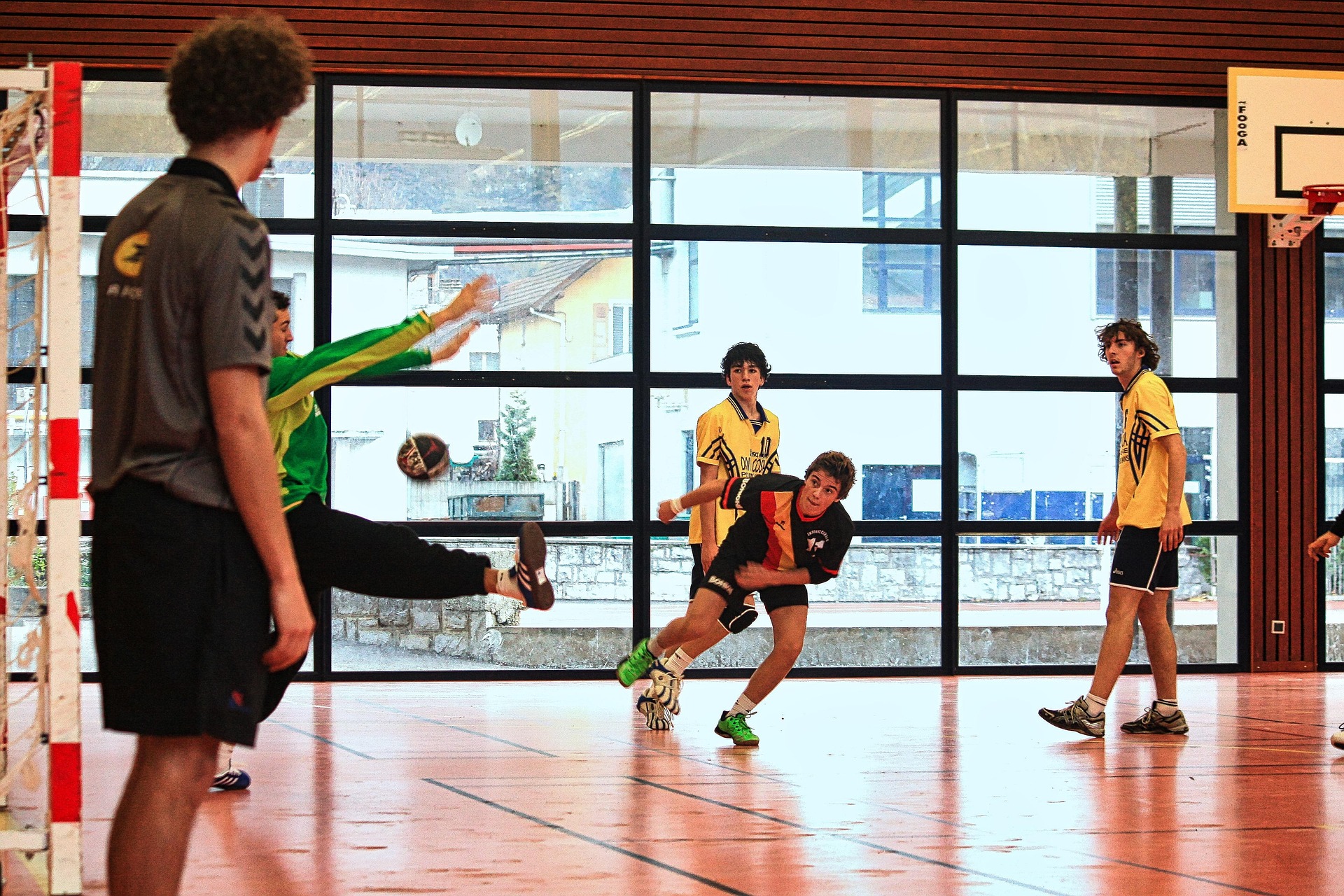
Youth handball is one of the fastest, most exciting team sports for kids. It combines speed, coordination, teamwork, and decision-making in a small, dynamic space. With the right youth handball training program, beginners can quickly develop the fundamental skills they need to enjoy the game, stay safe, and grow as athletes.
This guide is designed for coaches, parents, PE teachers, and young players who want a clear, practical roadmap to beginner handball training. We’ll cover essential techniques, drills, age-appropriate progressions, and simple coaching tips that make learning handball fun and effective.
Why Fundamental Skills Matter in Youth Handball
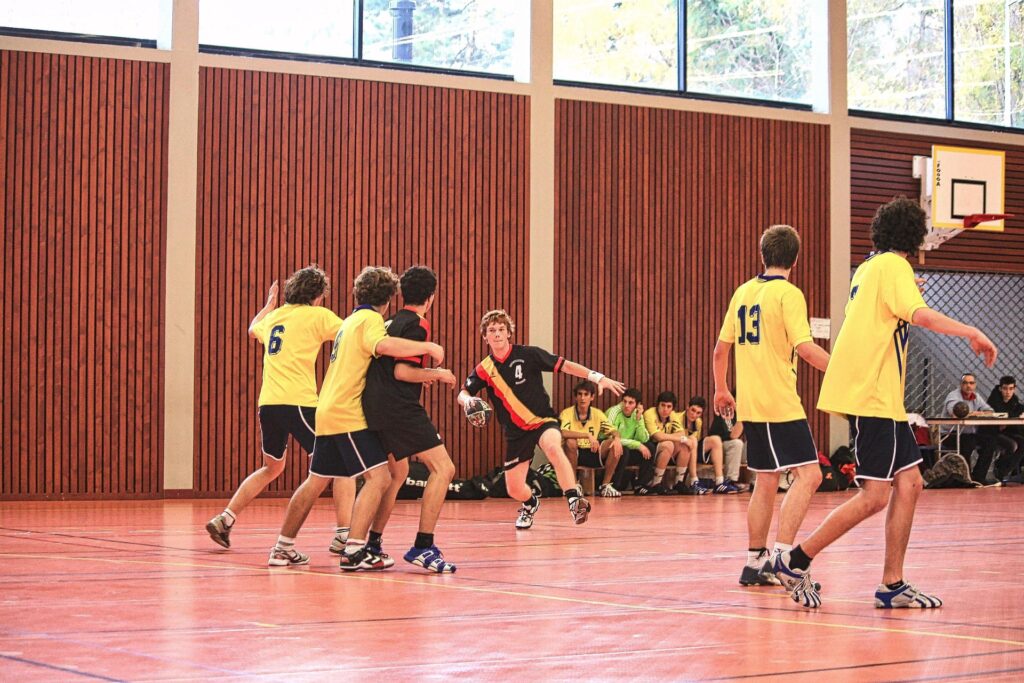
Before focusing on tactics or set plays, young players need a solid base of fundamental handball skills. These core abilities help them move confidently on the court and reduce the risk of injury.
Main benefits of early skill development
- Confidence: Kids who master basic skills feel more comfortable in games and are more likely to stay in the sport.
- Safety: Good footwork, balance, and landing technique lower the risk of sprains and falls.
- Better long-term performance: Strong fundamentals make it easier to learn advanced handball techniques later.
- Enjoyment: When children can pass, catch, and shoot, the game becomes much more fun.
For beginners, especially in the 8-14 age range, the focus should be on learning movement and game concepts, not just winning matches.
Key Fundamental Skills in Youth Handball
Every youth handball training program should develop these core skill areas:
- Ball handling (grip, passing, catching)
- Shooting and finishing
- Footwork and movement
- Basic defending
- Game understanding and teamwork
1. Ball Handling Skills
Ball handling is the foundation of handball. Beginners should get comfortable with the ball in both hands, using simple, fun activities.
Key elements
- Grip: Fingers spread, ball held mainly with the fingers, not deep in the palm.
- Hand switching: Smoothly moving the ball from one hand to the other while standing and running.
- Basic dribbling: Controlled dribble at hip height, eyes up, using both hands.
Simple ball handling drills
- Ball circles: Circle the ball around the waist, then around one leg, then the other. Progress to moving while circling.
- Wall passing: Players pass the ball against a wall and catch it again-focus on clean technique.
- Dribble & freeze: Players dribble; when the coach calls “freeze,” they must stop and hold the ball in a stable position.
2. Passing and Catching
Good passing and catching keep the game flowing and help young players learn to work as a team.
Core passing techniques
- Chest pass: Short, direct pass from the chest to a teammate’s chest.
- Bounce pass: Ball bounces once before reaching the teammate-helpful in tight spaces.
- Overhead pass: Useful for quick ball movement over defenders (introduced after basics are solid).
Important catching points
- Hands form a soft “W” shape behind the ball.
- Arms flex to absorb the ball-“soft hands” instead of stiff arms.
- Eyes on the ball until it is secured, then quick look up to scan the court.
Beginner passing & catching drills
- Partner passing: Pairs stand 3-5 meters apart; start with chest passes, then add bounce passes and movement.
- Passing in a square: Four players form a square and pass around; progress to passing across the square.
- Moving relay: Two lines facing each other, players run forward, exchange a pass, run to the back of the opposite line.
Shooting Technique for Youth Handball Players
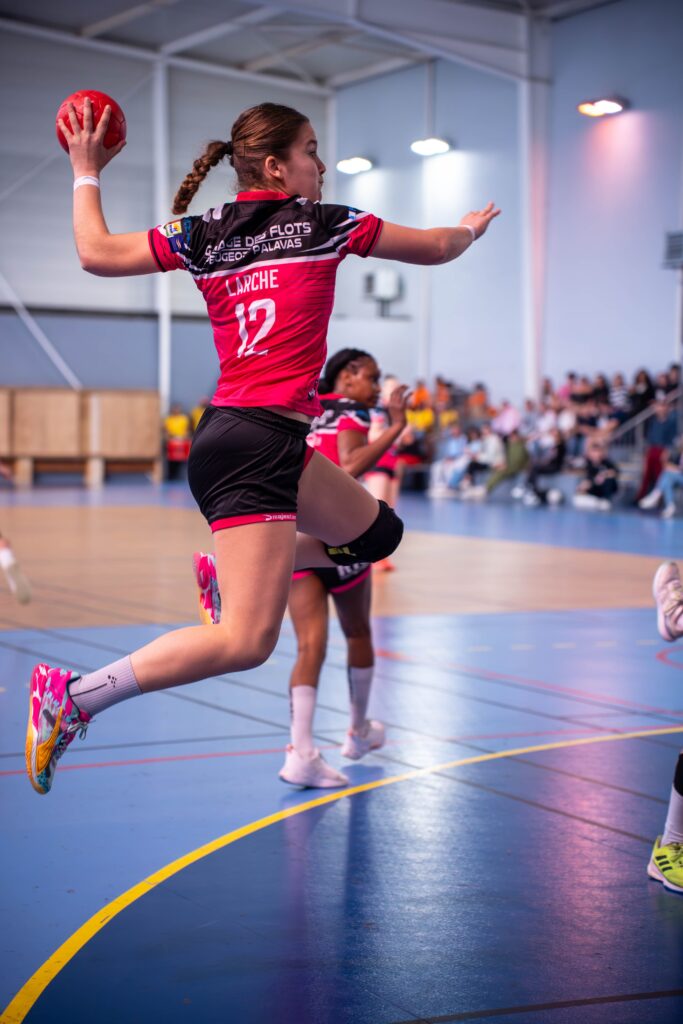
Shooting in handball is often the most exciting skill for kids. However, technique should come before power. A controlled, well-placed shot is better than a wild, hard throw.
Basic shooting mechanics
- Stance: Feet shoulder-width apart, non-throwing foot slightly ahead.
- Arm position: Throwing arm at a 90° angle, elbow high, ball behind the head.
- Body rotation: Turn the hips and shoulders toward the goal during the throw.
- Follow-through: Arm continues the motion forward, fingers pointing toward the target.
Types of beginner shots
- Standing shot: Ideal for learning pure technique without jumping.
- One-step shot: Add a step into the throw to teach timing and body rotation.
- Basic jump shot (later stage): Low, controlled jump, focusing on safe landing on both feet.
Shooting drills for young players
- Target shooting: Place cones or markers in the goal and let kids aim at them.
- Shoot after a pass: Player receives a pass, takes one step, and shoots.
- Shoot under pressure (light): Add a passive defender with raised arms to encourage accuracy.
Footwork, Movement, and Coordination
At youth level, handball footwork is more about coordination and agility than complex tactical moves. Kids should learn to stop, change direction, and move safely with or without the ball.
Essential movement patterns
- Side steps with knees slightly bent.
- Forward and backward shuffling.
- Quick starts and stops.
- Safe landings after jumps (both feet, knees soft).
Agility and movement drills
- Cone slalom: Players weave between cones while running or dribbling.
- Jump & land: Small jumps over a line or cone, focusing on quiet, balanced landings.
- Mirror game: In pairs, one player leads movements, the other mirrors (side steps, turns, stops).
Basic Defensive Skills for Young Handball Players
Kids often love scoring but underestimate the importance of defense. Teaching defensive fundamentals early helps create complete players.
Defensive basics
- Defensive stance: Knees bent, weight on the balls of the feet, arms wide.
- Body control: Stay between the attacker and the goal; move with side steps, not crossing feet.
- No grabbing: Emphasize clean body contact, not pulling or hitting.
Beginner defense drills
- Shadow defense: One player moves with the ball; the defender “shadows” at arm’s length without contact.
- Gatekeeping: Two cones form a “gate” leading to goal. Defender must block attacker from running through.
- 1v1 channel: In a narrow corridor, the attacker tries to pass; defender uses footwork to stay in front.
Sample Youth Handball Training Session for Beginners
Below is a simple 60-minute handball practice plan for kids that you can adapt based on age and group size.
| Time | Activity | Focus |
|---|---|---|
| 0-10 min | Fun warm-up game (tag, relay) | General movement, engagement |
| 10-20 min | Ball handling & dribbling drills | Grip, control, coordination |
| 20-30 min | Passing & catching in pairs | Technique, timing |
| 30-40 min | Simple shooting on goal | Accuracy, confidence |
| 40-55 min | Small-sided games (3v3 / 4v4) | Game understanding, teamwork |
| 55-60 min | Cool down & feedback | Recovery, reflection |
Age-Appropriate Progressions in Youth Handball
Not all children learn at the same pace. Still, you can use general guidelines to adapt youth handball drills for different age groups.
| Age | Main Focus | Recommended Drills |
|---|---|---|
| 6-8 | Fun, basic coordination | Tag games, simple passing, ball games |
| 9-11 | Fundamental techniques | Structured passing, shooting, 1v1 games |
| 12-14 | Refinement & basic tactics | Small-sided games, simple systems, defense |
At every age, keep practices varied, active, and game-like. Long lines and long lectures quickly kill motivation.
Benefits of Youth Handball Training Beyond the Court
Quality youth handball coaching offers more than physical benefits. It also supports personal and social development.
Physical benefits
- Improved cardiovascular fitness and stamina.
- Better coordination, balance, and reaction speed.
- Healthy bone and muscle development.
Mental and social benefits
- Teamwork: Players learn to communicate, share the ball, and support each other.
- Discipline: Regular training builds focus, accountability, and resilience.
- Self-esteem: Achieving small goals (first goal, first save, better pass) boosts confidence.
Practical Coaching Tips for Training Youth Handball Beginners
Coaching kids isn’t just about drills-it’s about creating a positive learning environment.
1. Use Simple Language and Clear Demonstrations
- Show each drill at game speed and in slow motion.
- Use short instructions: “Face the goal, elbow up, look, and throw.”
- Ask kids to repeat the key points in their own words.
2. Keep Everyone Moving
- Avoid long lines; set up multiple small stations.
- Use small-sided games (2v2, 3v3) so every player gets touches on the ball.
- Rotate roles frequently: attacker, defender, goalkeeper.
3. Focus on Effort and Learning, Not Just Winning
- Praise effort, teamwork, and improvement.
- Frame mistakes as learning: “What can we try differently next time?”
- Celebrate small successes for all players, not only the top scorers.
4. Make Safety a Priority
- Emphasize fair play and respect for opponents.
- Teach proper falling and landing techniques.
- Ensure adequate warm-up, hydration, and appropriate footwear.
Case Example: A Beginner’s First Season in Youth Handball
To illustrate how fundamental skills can grow over time, consider a typical first season for a 10-year-old beginner.
Pre-season (Weeks 1-4)
- Focus on movement games, basic passing, and catching.
- Introduce simple shooting from a short distance.
- Build team spirit with fun challenges and cooperative games.
Mid-season (Weeks 5-10)
- Improve technique: better aim on passes and shots.
- Add basic 1v1 attacking and defending drills.
- Play small-sided matches with limited rules to encourage creativity.
End of season (Weeks 11-14)
- Players start to anticipate passes and move into space.
- Defensive stance and footwork become more consistent.
- Kids feel confident enough to shoot under light pressure.
Over one season, consistent youth handball training can transform total beginners into players who understand the game and love participating.
How Parents Can Support Youth Handball Development
Parents play a crucial role in a child’s experience with handball. Even if you’re not a coach, there are simple ways to help.
Supportive habits for parents
- Encourage regular attendance at training and games.
- Provide positive feedback focused on effort: “I loved how you kept trying,” not just “Did you win?”
- Promote healthy routines-enough sleep, balanced nutrition, and hydration.
- Be patient with progress: skill development takes time; avoid comparing to other kids.
SEO-Friendly Tips for Coaches and Clubs Promoting Youth Handball
If you run a club or program, optimizing your online content for keywords like youth handball training, handball drills for kids, or beginner handball coaching can help more families discover your activities.
- Publish short training guides and drill descriptions on your website.
- Use descriptive headings (H2, H3) and include relevant keywords naturally.
- Add photos or short videos of safe, well-supervised training sessions.
- Highlight benefits for kids: fitness, fun, social connections, and skill development.
Conclusion: Building a Strong Foundation in Youth Handball
Developing fundamental skills in youth handball is the key to long-term success and enjoyment. By focusing on ball handling, passing and catching, shooting technique, footwork, and basic defense, coaches and parents can give beginners everything they need to thrive.
A well-structured youth handball training program should be:
- Fun: Kids should look forward to every training session.
- Progressive: Introduce new challenges gradually as skills improve.
- Inclusive: Give every child opportunities to play, learn, and feel valued.
With patience, positive coaching, and consistent practice, young players quickly gain confidence on the court. Whether your goal is to build a competitive team or simply to introduce children to a healthy, engaging sport, focusing on fundamental skills will set the stage for a lifelong love of handball.