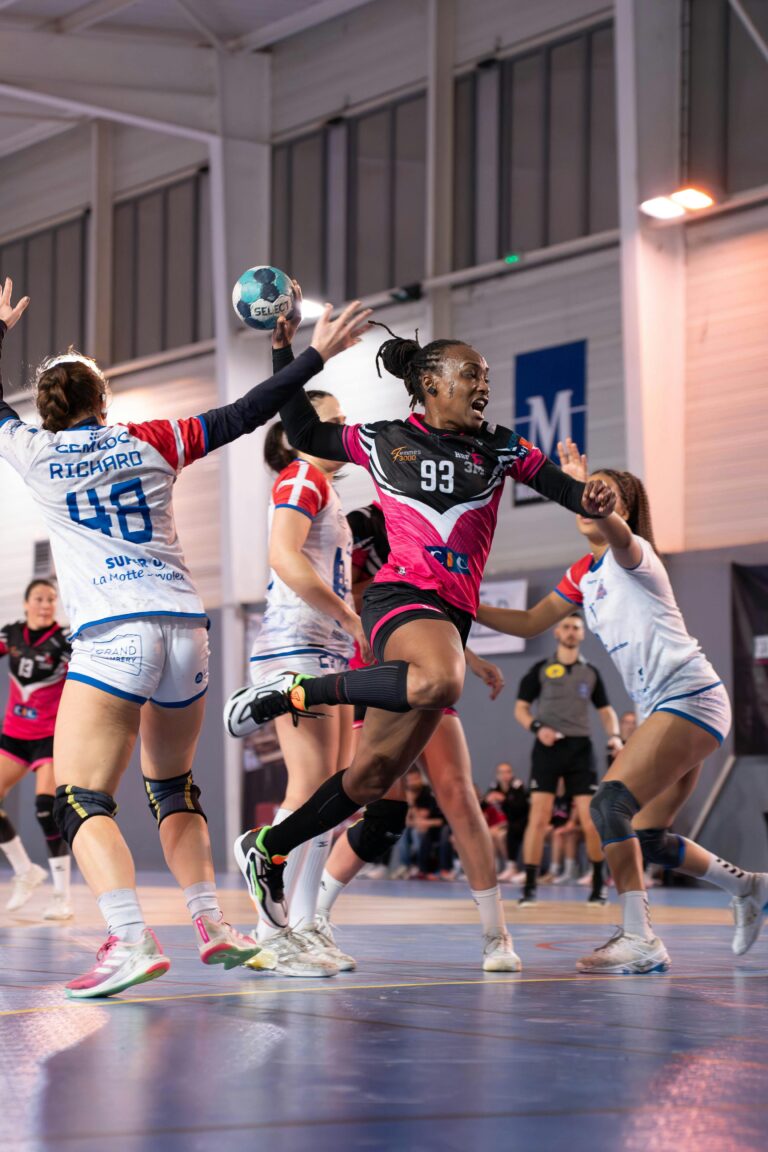
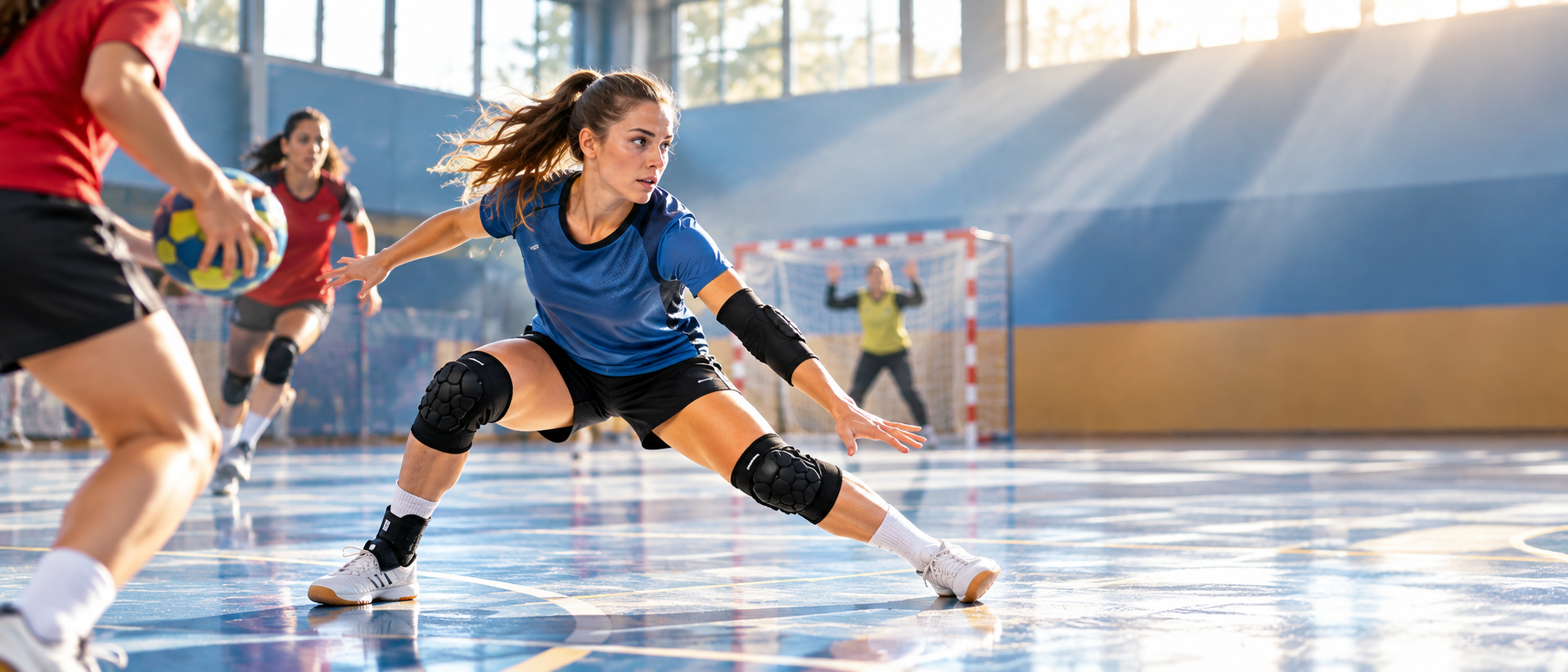
Handball is a fast-paced, high-intensity sport that places significant demands on the body. With powerful shots, diving saves, and frequent physical contact, players are constantly exposed to injury risks. The right protective equipment can make the difference between a minor bump and a season-ending injury. In this comprehensive guide, we’ll explore the essential protective gear every handball player should consider.
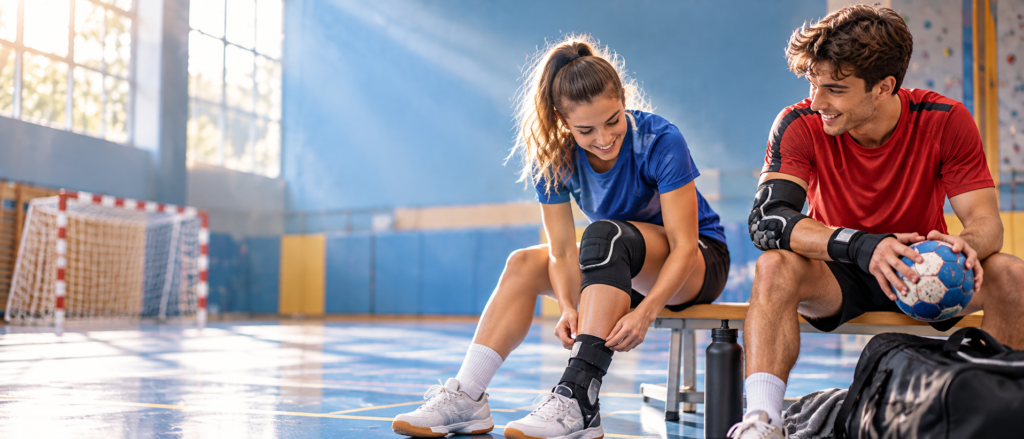
Why Protective Gear Matters in Handball
Unlike some sports where protective equipment is mandatory, handball often leaves safety decisions to individual players. However, the sport’s physical nature creates several injury risks:
- Impact injuries from falls on hard court surfaces
- Collision injuries from contact with other players
- Repetitive stress injuries affecting joints and tendons
- Ball impact injuries from powerful shots (which can exceed 100 km/h)
Statistical evidence supports the importance of protection: according to a study published in the Scandinavian Journal of Medicine & Science in Sports, knee and ankle injuries account for nearly 40% of all handball injuries, with many being preventable through proper protective equipment.
Knee Protection: Safeguarding Your Most Vulnerable Joint
The Case for Knee Pads
The knee joint bears tremendous stress during handball play, with constant cutting, jumping, and landing movements. Knee injuries can be particularly devastating, often resulting in extended recovery periods. Knee pads offer multiple benefits:
- Impact absorption during falls and dives
- Compression to reduce strain on the patella tendon
- Warmth retention for better joint mobility
- Psychological confidence when making aggressive defensive plays
Types of Knee Protection for Handball
1. Basic Knee Sleeves
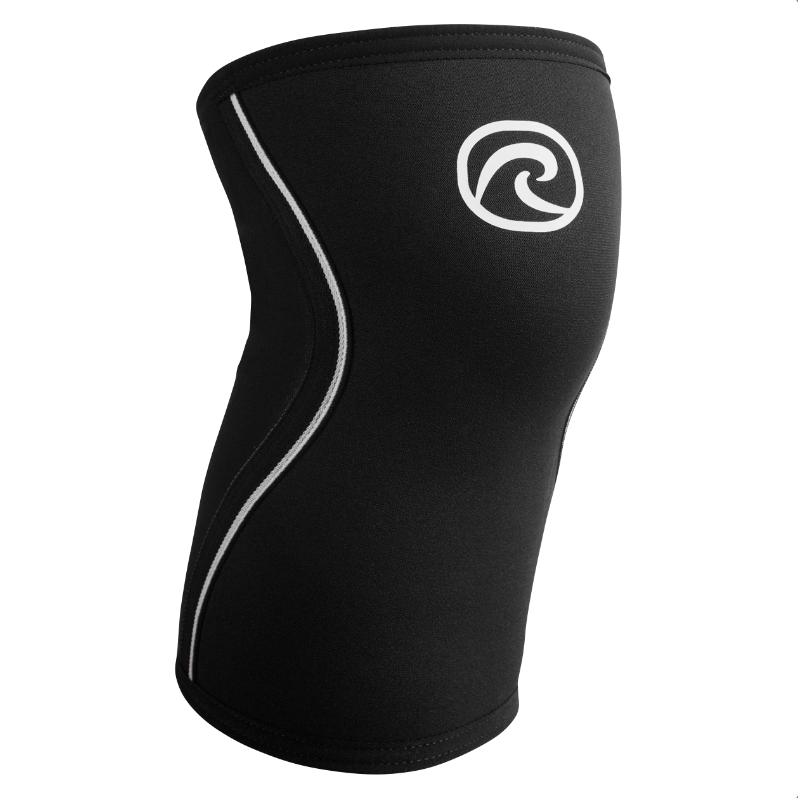
Best for: Mild support and warmth
Features:
- Lightweight neoprene or elastic construction
- Minimal padding
- Slip-on design
- Low profile under uniforms
Our recommendation: McDavid Knee Sleeve with gel insert provides basic protection at an affordable price point.
2. Padded Volleyball-Style Knee Pads
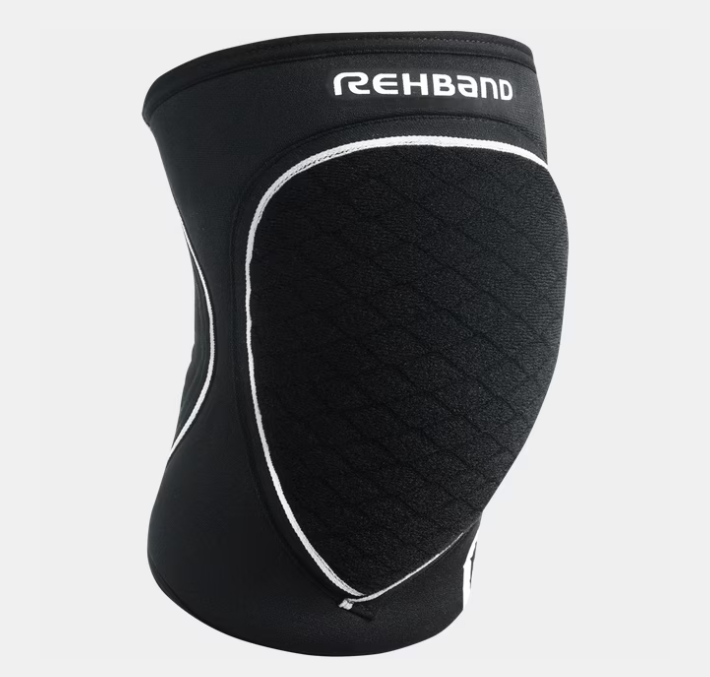
Best for: Court defenders and players who frequently dive
Features:
- Dense foam padding over the patella
- Ergonomic design for mobility
- Moisture-wicking fabrics
- Reinforced stitching for durability
Our recommendation: Mizuno LR6 Volleyball Kneepad offers excellent balance between protection and mobility.
3. Advanced Handball-Specific Knee Pads
Best for: Professional players and those with previous injuries
Features:
- Asymmetrical design for sport-specific movements
- Impact-dispersing technologies
- Anti-slip silicone grips
- Lateral support elements
Our recommendation: Kempa Kguard Knee Protector provides comprehensive protection designed specifically for handball movements.
Finding the Right Fit
Proper sizing is crucial for knee protection. Measure the circumference of your leg 10cm above the mid-patella. Too tight, and the pad will restrict movement and blood flow; too loose, and it will shift during play, becoming ineffective and potentially hazardous.
Most knee pads require a break-in period of 3-5 training sessions before reaching optimal comfort and performance.
Elbow Protection: Underrated but Essential
Why Protect Your Elbows?
While less commonly worn than knee pads, elbow protection deserves serious consideration:
- Hard court surfaces cause significant elbow impact during falls
- The ulnar nerve (the “funny bone”) is particularly vulnerable
- Elbow injuries can significantly affect shooting accuracy and power
- Recovery from elbow injuries often requires complete rest
Types of Elbow Protection
1. Elbow Sleeves
Best for: Mild support and warmth
Features:
- Compression elements
- Minimal padding
- Unrestricted movement
- Easy to wear under jerseys
Our recommendation: McDavid Compression Arm Sleeve provides good baseline support.
2. Padded Elbow Guards
Best for: Defenders and players who frequently hit the floor
Features:
- Dense foam protection over vulnerable areas
- Moisture-wicking materials
- Secure strapping systems
- Antimicrobial treatments to prevent odor
Our recommendation: The HEX® Elbow/Knee Pads offer excellent impact protection while maintaining flexibility.
3. Heavy-Duty Elbow Protectors
Best for: Professional players and those returning from injury
Features:
- Advanced impact-absorbing materials
- Reinforced padding on fall zones
- Anatomical design
- Breathable materials for extended wear
Our recommendation: The Rehband X-Stable Elbow Support combines medical-grade support with athletic performance design.
Additional Protection: Beyond Knees and Elbows
Ankle Support
Ankle sprains represent one of the most common handball injuries. Options include:
- Ankle sleeves: Provide mild compression and proprioceptive benefits
- Lace-up braces: Offer moderate support with adjustable compression
- Semi-rigid braces: Feature lateral stays for maximum stability
For players with previous ankle injuries, the Zamst A2-DX delivers outstanding support without compromising mobility.
Wrist Guards
Wrist injuries commonly occur during falls, especially among goalkeepers. Protective options include:
- Wrist sleeves: Provide mild compression and warmth
- Wrist wraps: Offer adjustable support and stabilization
- Rigid wrist guards: Feature plastic reinforcement for maximum protection
The McDavid Wrist Support provides excellent support while maintaining the dexterity needed for ball handling.
Mouth Guards
Often overlooked, mouth guards protect against:
- Dental injuries from ball impacts or collisions
- Concussion forces traveling through the jaw
- Lip and soft tissue damage
Boil-and-bite mouth guards like the SISU Aero provide excellent protection with minimal interference with breathing and communication.
Position-Specific Protection Recommendations
For Goalkeepers
Goalkeepers face unique risks and should consider:
- Padded compression shorts with hip and tailbone protection
- Padded goalkeeper jerseys with elbow and rib protection
- Finger supports to prevent hyperextension
- Face protection for defensive situations
The McDavid HexPad Goalkeeper set provides comprehensive protection for the modern handball goalkeeper.
For Court Players
Field players should prioritize:
- Knee pads appropriate to their playing style and position
- Ankle supports especially for players with previous injuries
- Elbow protection for defensive specialists
Caring for Your Protective Equipment
To maximize both lifespan and hygiene:
- Wash regularly following manufacturer guidelines
- Air dry completely before next use
- Inspect for wear particularly in high-impact areas
- Replace when padding becomes compressed or straps lose elasticity
Most quality protective gear should last 1-2 seasons with proper care, though intensive use may require more frequent replacement.
Finding the Right Balance
When selecting protective gear, consider:
- Your injury history: Previous injuries often require more robust protection
- Playing style: Aggressive defenders need different protection than shooters
- Comfort vs. Protection: Finding your personal balance is essential
- Quality vs. Budget: Investing in higher-quality protection often pays dividends
Remember that the best protective gear is the equipment you’ll actually wear consistently. Even the most advanced protection is worthless if it’s too uncomfortable to use regularly.
Conclusion: Safety as Part of Performance
Protective gear should be viewed not as an optional accessory but as essential equipment that enables more confident, aggressive play. The psychological benefit of knowing you’re protected often translates into better performance on the court.
For youth players especially, developing the habit of wearing appropriate protection early can prevent injuries that might otherwise cut promising careers short or lead to chronic problems later in life.
Investing in quality protective gear is ultimately investing in your handball longevity and enjoyment of the sport.