Handball is fast, intense, and all about teamwork. But behind the goals and quick passes lies an important question: how can we make our sport more sustainable? From eco‑friendly handball shoes to recycled training bibs, more brands and clubs are embracing greener solutions.
This guide covers practical, eco‑friendly handball gear options for both individual players and clubs. You’ll find specific tips, product ideas, and implementation strategies to help reduce your environmental footprint-without sacrificing performance on the court.
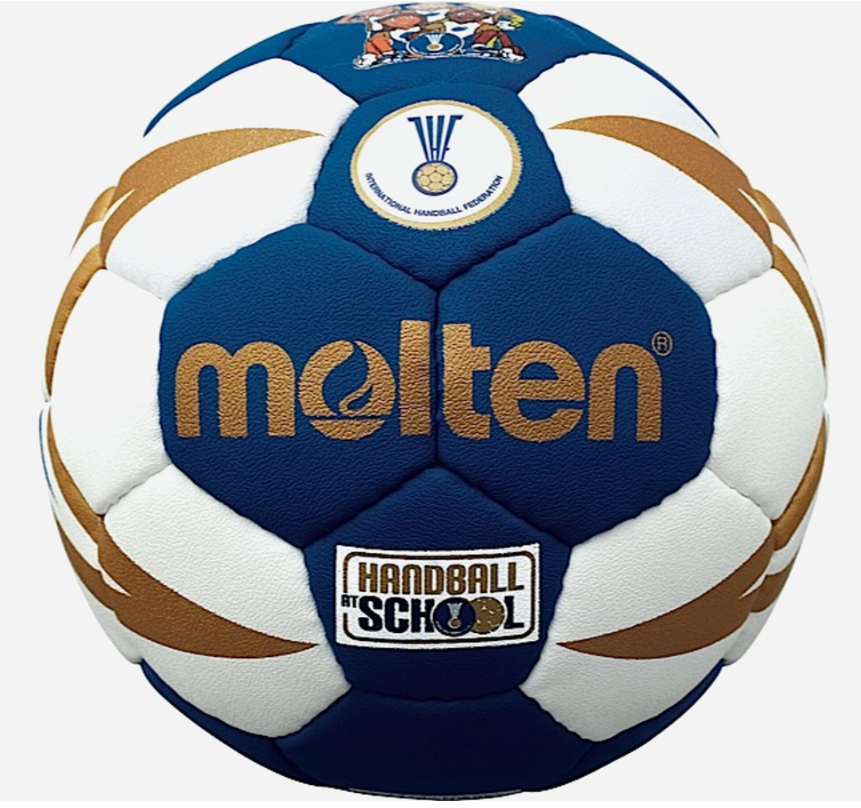
Why Sustainable Handball Gear Matters
Like many sports, handball relies heavily on synthetic materials, plastics, and energy‑intensive production processes. Traditional gear often involves:
- Petroleum‑based plastics in balls, shoes, and protective gear
- Non‑recyclable packaging and single‑use plastics
- Chemical‑intensive dyes and finishes in textiles
- Short product lifecycles leading to more waste
Eco‑friendly handball gear helps to:
- Reduce carbon emissions and pollution
- Cut down on landfill waste
- Support responsible manufacturing and labor practices
- Promote a positive image for your club within the community
By making conscious buying decisions, players and clubs can push brands to design better, more durable, and greener equipment.
Key Features of Eco‑Friendly Sports Gear
Before diving into specific products, it helps to understand what actually makes gear “sustainable.” When evaluating eco‑friendly handball gear, look for:
1. Sustainable Materials
- Recycled polyester (rPET) made from plastic bottles
- Organic cotton grown without synthetic pesticides and fertilizers
- Natural rubber instead of synthetic rubber where performance allows
- Bio‑based foams partially made from plant sources
2. Responsible Manufacturing
- Certifications like OEKO‑TEX (harmful substances tested)
- Fair Trade, Fair Wear Foundation, or similar audits
- Factories using renewable energy or water‑saving processes
3. Durability & Repairability
- Reinforced stitching in high‑stress areas
- Availability of spare parts (laces, insoles, valves for balls)
- Designs made to be repaired, not just replaced
4. End‑of‑Life Options
- Recyclable materials or take‑back programs
- Biodegradable components where appropriate
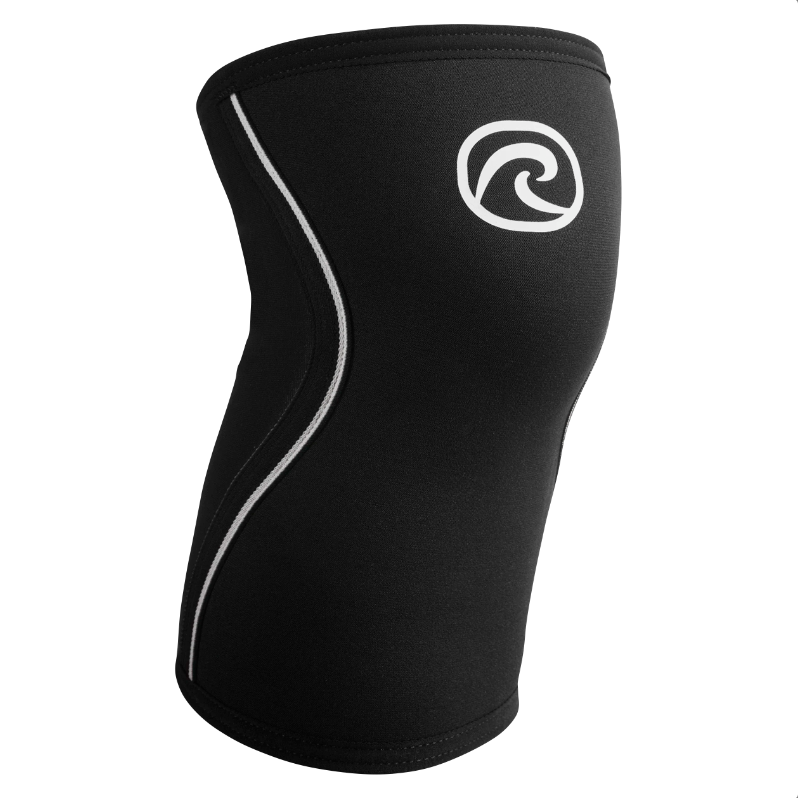
Eco‑Friendly Handballs: Materials, Brands & Tips
The ball is the heart of the game. Traditional handballs often use synthetic leather, PVC, and chemical foams. A more sustainable handball focuses on safer materials and longer life.
What to Look for in a Sustainable Handball
- PVC‑free outer cover (look for PU or other alternatives)
- Water‑based inks and adhesives instead of solvent‑based
- Durable stitching and high‑quality bladder for longer use
- Packaging in recycled cardboard, not plastic clamshells
| Feature | Conventional Handball | Eco‑Friendly Handball Choice |
|---|---|---|
| Outer Material | PVC synthetic leather | PVC‑free PU or recycled material |
| Adhesives | Solvent‑based glue | Water‑based adhesive |
| Packaging | Plastic wrap | Recycled cardboard box |
| Longevity | 1 season or less | Multiple seasons with proper care |
Practical Tips for Players & Clubs
- Store balls in a cool, dry place to extend life
- Use a hand pump with pressure gauge to avoid overinflation
- Rotate match balls and training balls to distribute wear
- Assign one person per team as “equipment manager” to track condition
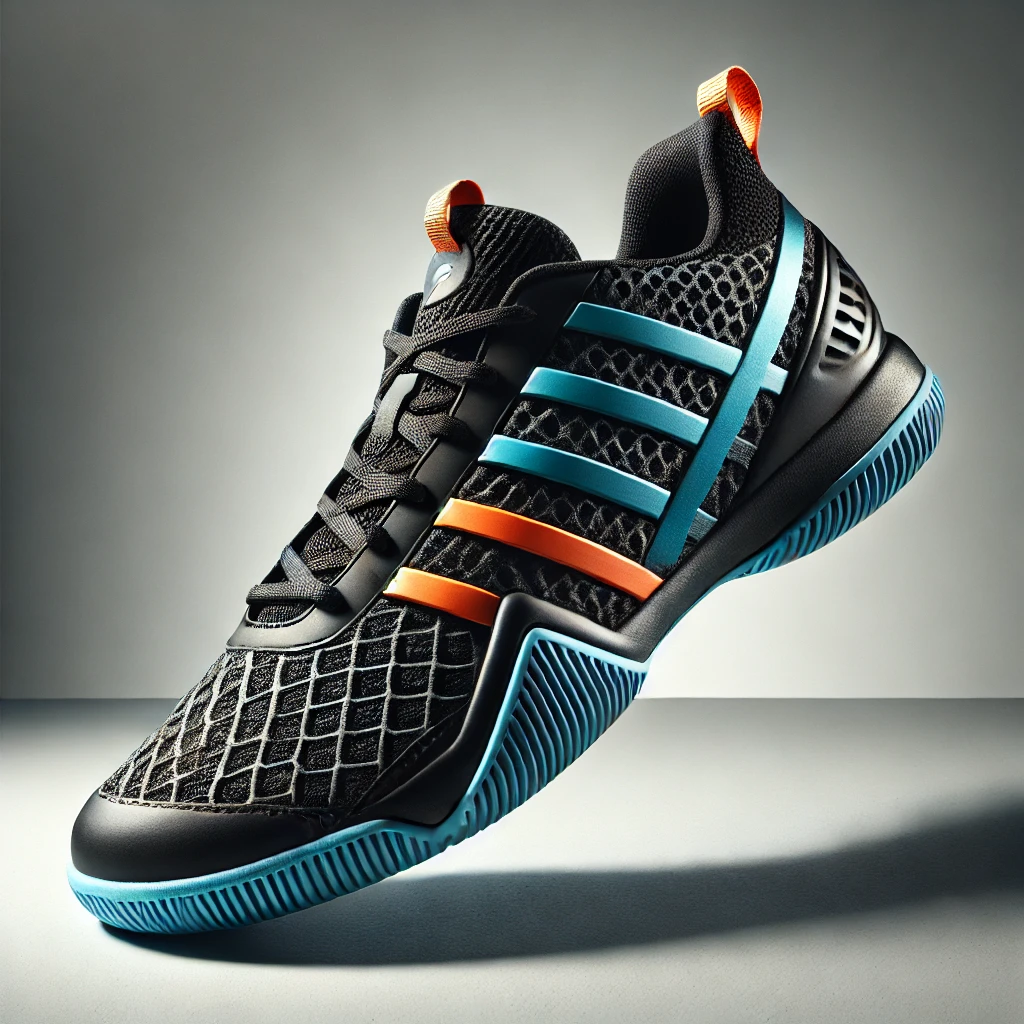
Eco‑Friendly Handball Shoes and Apparel
Handball shoes, jerseys, and shorts are used heavily, washed often, and replaced regularly. Shifting to greener options can have a big impact over a full season.
More Sustainable Handball Shoes
Performance indoor shoes are tricky to make fully sustainable, but there are better options:
- Recycled uppers: mesh and textiles made from recycled polyester or nylon
- Bio‑based foams: midsoles partly made from algae or plant‑based components
- Natural rubber outsoles: where grip requirements allow
- Removable insoles to replace rather than discard the whole shoe
Care tips to extend shoe life:
- Use indoor shoes only on court to avoid unnecessary wear
- Dry shoes at room temperature, never directly on heaters
- Alternate between two pairs in intense training periods
Sustainable Handball Jerseys & Shorts
Clubs can make a huge sustainability leap with their team kit orders.
- Choose jerseys made from 100% recycled polyester or blends with organic cotton
- Look for dope‑dyed fabrics (less water and chemicals in coloring)
- Order timeless designs that remain usable for multiple seasons
- Go for quality over quantity to reduce frequent replacements
| Item | Better Material Choice | Sustainability Benefit |
|---|---|---|
| Jerseys | Recycled polyester | Reuses plastic bottles, less virgin oil |
| Shorts | Recycled or organic blend | Lower water and chemical use |
| Socks | Organic cotton, recycled nylon | Reduced pesticide and waste footprint |
Washing & Care: Hidden Sustainability Booster
How you care for your kit matters almost as much as what it’s made from:
- Wash at 30°C instead of 40-60°C whenever possible
- Use eco‑friendly detergents and avoid fabric softeners
- Air‑dry jerseys and shorts; skip the tumble dryer
- Use a microfiber filter bag to reduce microplastic release in the wash
Green Training Equipment for Handball Clubs
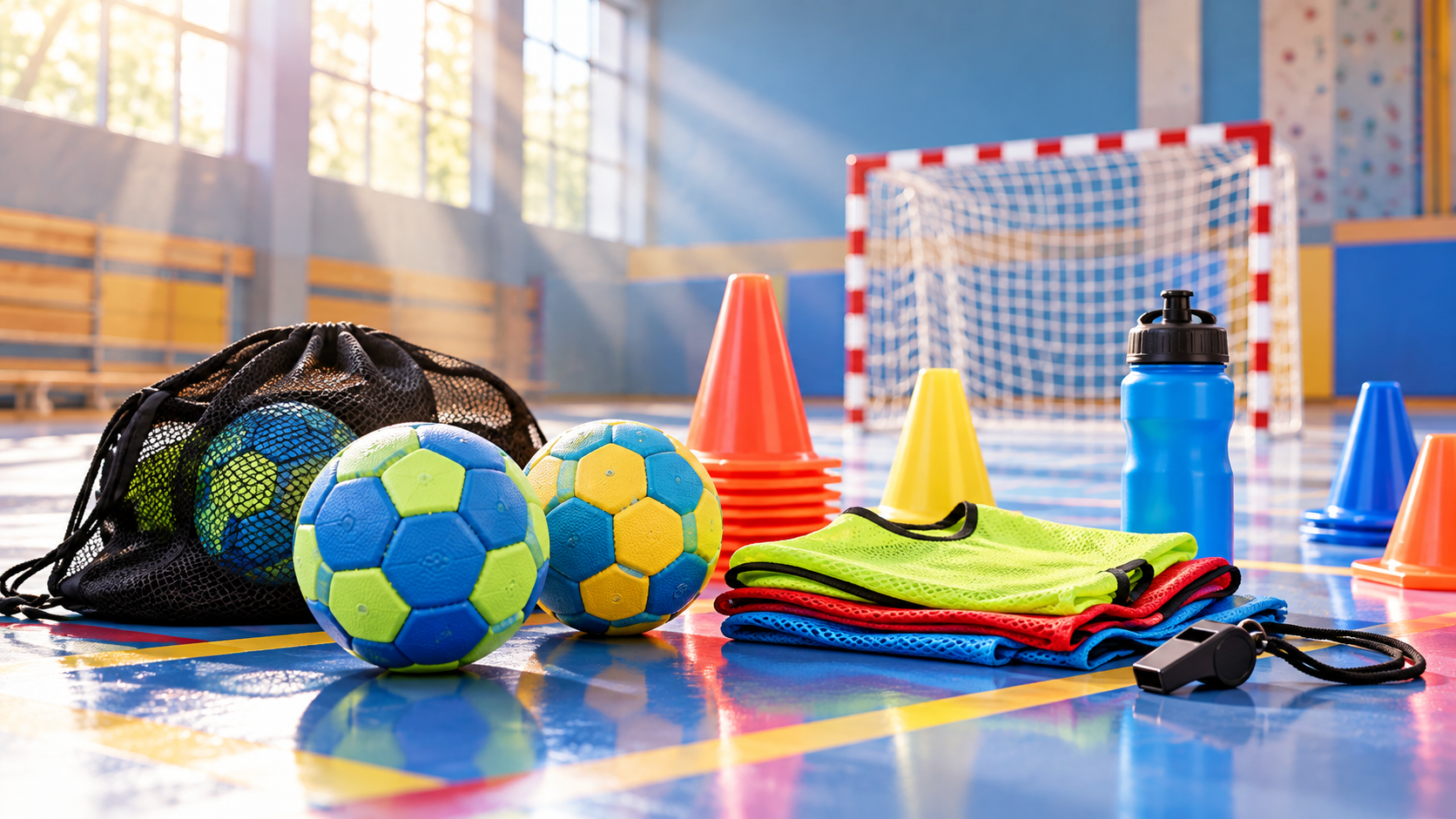
Beyond the ball and kit, many training accessories can be more eco‑friendly without losing functionality.
Cones, Ladders, and Markers
- Choose cones made from recycled plastics where available
- Opt for high‑visibility colors that last longer and don’t fade quickly
- Repair broken ladders and markers with strong, eco‑friendly tape instead of replacing immediately
Reusable Water Bottles & Hydration
Single‑use plastic bottles are one of the easiest things to eliminate at training and matches.
- Provide each player with a BPA‑free reusable bottle (stainless steel or durable plastic)
- Install or promote refill stations at your hall
- Ban single‑use bottles from team benches and tournaments organized by your club
Goal Nets and Floor Protection
- Look for nets made with recycled nylon or partially recycled fibers
- Repair holes in nets using patch kits rather than discarding them
- When replacing floor protection mats, choose low‑VOC, recyclable materials
How Handball Clubs Can Implement Sustainability Policies
A few individual purchases help, but real impact comes when clubs adopt a clear sustainability strategy.
1. Create a Simple Sustainability Charter
Draft a 1-2 page document outlining your club’s eco‑goals, such as:
- Prioritizing eco‑friendly handball gear for all future purchases
- Phasing out single‑use plastics at matches and events
- Implementing recycling and donation programs for old gear
2. Involve Players, Coaches, and Parents
- Introduce the policy at a pre‑season meeting
- Encourage older youth teams to lead green initiatives
- Ask parents to support by buying eco‑friendly personal gear when possible
3. Work With Sustainable Suppliers
- Ask your usual sports supplier about their eco‑product lines
- Compare quotes that include recycled or organic options
- Consolidate orders to reduce shipping and packaging waste
4. Give Old Gear a Second Life
- Set up seasonal gear swaps for shoes, jerseys, and protective gear
- Donate usable items to community programs or schools
- Partner with local recyclers to handle textile and shoe recycling where available
Case Study: A Local Handball Club Goes Green
To see how this can work in practice, imagine a mid‑size European handball club with around 200 active members.
Step 1: Assessing the Starting Point
The club realized they were:
- Buying new match balls every season due to poor storage
- Using large amounts of single‑use plastic bottles at every game
- Ordering new kit every two years with no plan for the old gear
Step 2: Implementing Small but Strategic Changes
- Switched to PVC‑free training balls with better durability
- Gave every player a reusable club‑branded bottle
- Updated their jersey order to recycled polyester with a classic design intended to last 4-5 seasons
- Introduced a gear donation bin at the hall entrance
Step 3: Results After Two Seasons
- Fewer new balls were needed thanks to better storage and more robust models
- Single‑use bottles on the bench dropped to near zero
- Old jerseys found new life in youth training sessions and charity events
- The club gained a reputation in the region as a forward‑thinking, eco‑conscious organization
First‑Hand Style Tips: Players Sharing Sustainable Habits
From a player’s perspective, small daily decisions make a difference. Here are a few “from the locker room” habits that work in real life:
- One good training bag: Choose a durable, possibly recycled-material bag and repair zips or straps instead of replacing it every season.
- Layer smartly: Use breathable base layers made from sustainable fabrics so you need fewer pieces, not more.
- Patch, don’t trash: A small hole in shorts or a jersey can be quickly repaired with an iron‑on patch or basic sewing kit.
- Share knowledge: When you find a brand making great eco‑friendly handball shoes or jerseys, tell your teammates and coaches.
Checklist: How to Choose Eco‑Friendly Handball Gear
Use this quick checklist when you’re about to buy new gear for yourself or your club.
- Is the product PVC‑free or made with recycled / organic materials?
- Does the brand provide information on factory conditions and environmental policies?
- Is the item durable enough to last multiple seasons?
- Is packaging minimal and recyclable?
- Can the product be repaired, resold, donated, or recycled later?
- Have you checked whether an eco‑alternative exists before buying the standard version?
Conclusion: Making Handball More Sustainable, One Purchase at a Time
Eco‑friendly handball gear isn’t about perfection-it’s about progress. Every PVC‑free ball, recycled‑polyester jersey, or reusable water bottle chips away at the sport’s environmental impact.
For individual players, start with what you control: your shoes, clothing, water bottle, and how you care for your gear. For clubs, focus on high‑impact areas like team kits, training equipment, and clear sustainability policies that involve everyone-from youth teams to senior squads.
By choosing sustainable handball equipment and embedding greener habits into everyday training, we can protect the planet while keeping the spirit of the game alive for future generations. The next time you step onto the court, you’ll know that your gear is helping your performance-and the environment-at the same time.