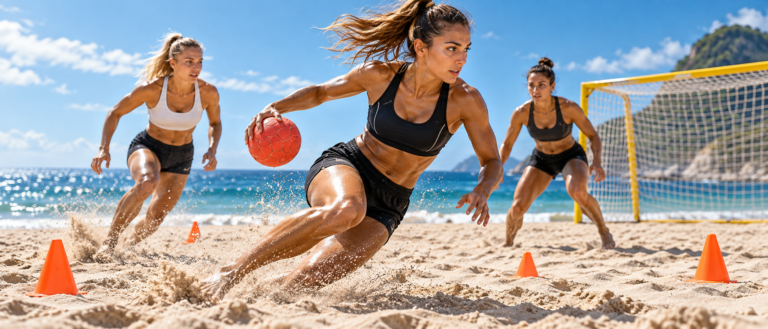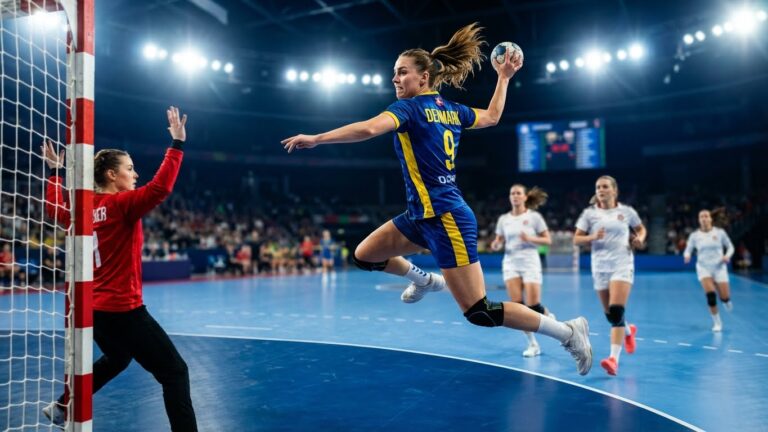
Starting handball is exciting, fast‑paced, and a little bit intimidating. The right handball gear for beginners can make all the difference between enjoying your first season or struggling with discomfort and avoidable injuries. In this guide, we’ll walk through every essential item you need-from the handball itself to knee pads and protective gear-so you can step onto the court confident and prepared.
Why the Right Handball Gear Matters
Handball is a high‑impact, high‑intensity sport. You jump, sprint, pivot, and collide-often in the same play. Having the right beginner handball equipment is about much more than looking the part:
- Safety: Reduce the risk of ankle sprains, knee injuries, and bruises.
- Performance: Better grip, support, and comfort mean better passes, shots, and movement.
- Confidence: When your gear works with you (not against you), you can focus on the game instead of your shoes or sore knees.
- Longevity: Quality gear lasts longer, saving you money over the season.
Below is a complete breakdown of must‑have handball gear for beginners, plus tips on how to choose the right products for your level, position, and budget.
1. The Handball: Your Most Important Piece of Equipment
The ball is the heart of the game. For beginners, the right size and feel are essential for control, confidence, and proper technique.
Handball Sizes for Beginners
| Ball Size | Typical Use | Age / Category |
|---|---|---|
| Size 1 | Training / Youth | ~8-12 years |
| Size 2 | Women / Youth Boys | Teens & Women |
| Size 3 | Men’s Handball | Adult Men |
Tips for choosing your first handball:
- Check league rules: Many clubs follow IHF size guidelines, so confirm with your coach.
- Test the grip: As a beginner, you want a soft surface with good grip even without resin.
- Avoid overly hard balls: A slightly softer ball is better for learning proper catching and passing.
If you’re practicing alone, having your own ball means you can train anytime, anywhere-wall passes, dribbling, or shooting drills.
2. Indoor Handball Shoes: Grip, Stability, and Speed
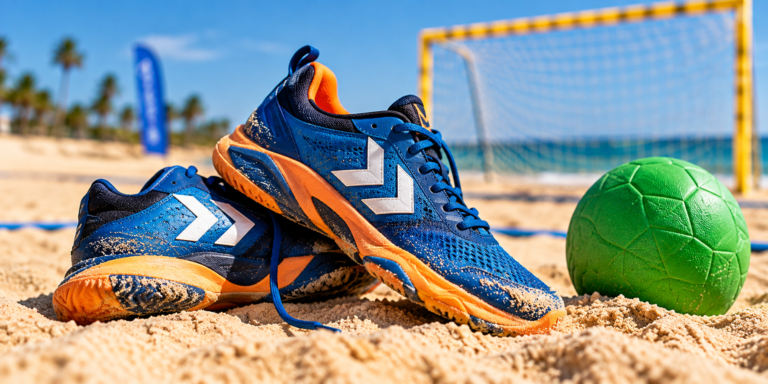
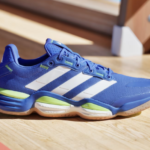
Proper handball shoes are non‑negotiable. Regular running shoes or generic sneakers won’t provide enough lateral support or grip on indoor courts.
What to Look for in Handball Shoes
- Non‑marking sole: Required in most indoor halls to avoid damaging the floor.
- Excellent grip: Fast stops, direction changes, and jumps all rely on good traction.
- Lateral stability: Reinforced sides to protect your ankles during quick cuts and one‑on‑one duels.
- Cushioning: Adequate shock absorption to protect knees and joints from constant jumping and landing.
- Lightweight design: You should feel fast and agile, not heavy or dragged down.
| Feature | Why It Matters |
|---|---|
| Non‑marking gum sole | Protects court & improves traction |
| Side support | Prevents ankle rolls |
| Cushioned midsole | Reduces impact on knees |
| Breathable upper | Keeps feet dry & comfortable |
Beginner tip: Try on shoes at the end of the day when your feet are slightly swollen-this mimics how your feet feel during an intense game.
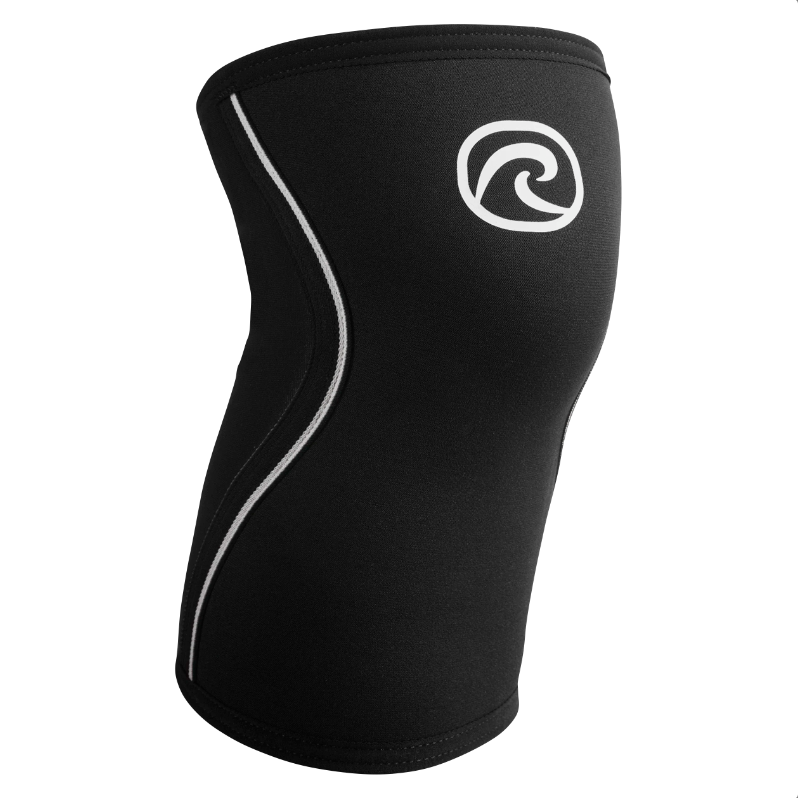
3. Knee Pads: Essential Protection for Beginners
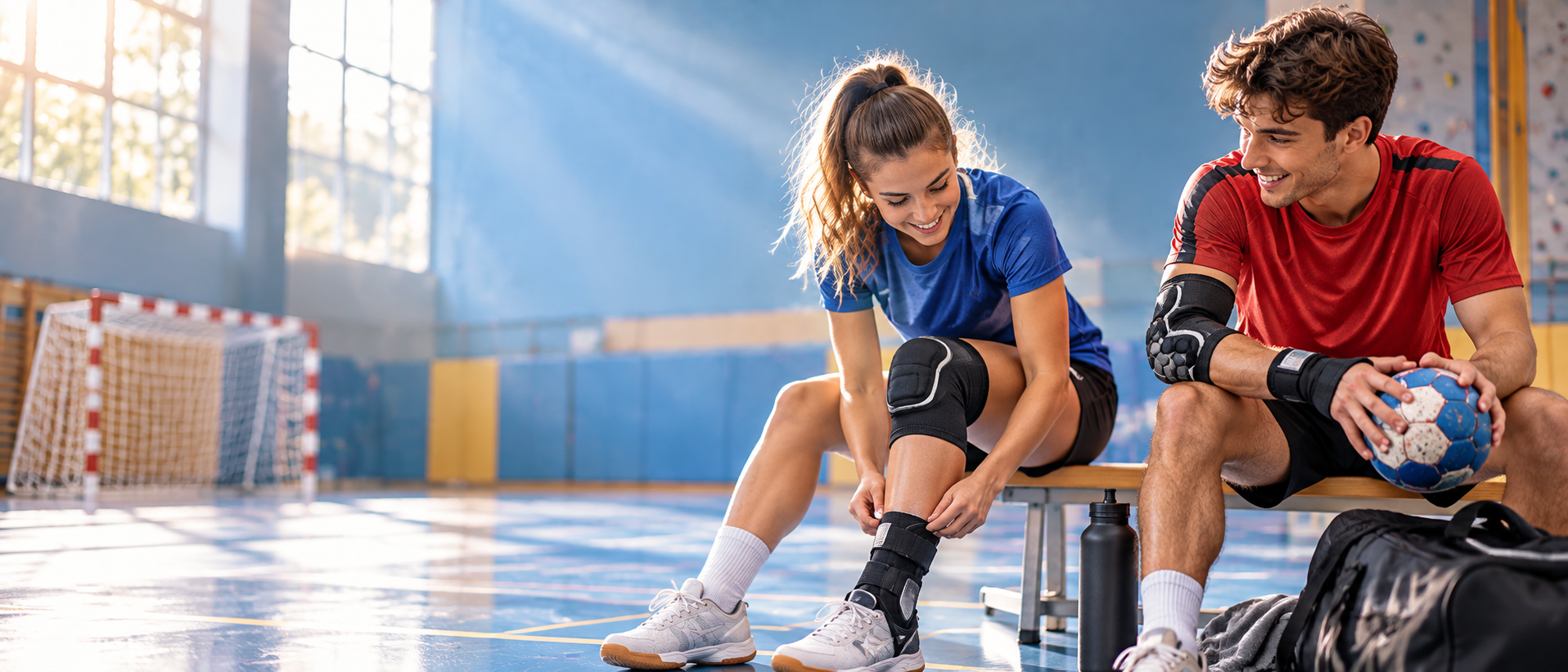
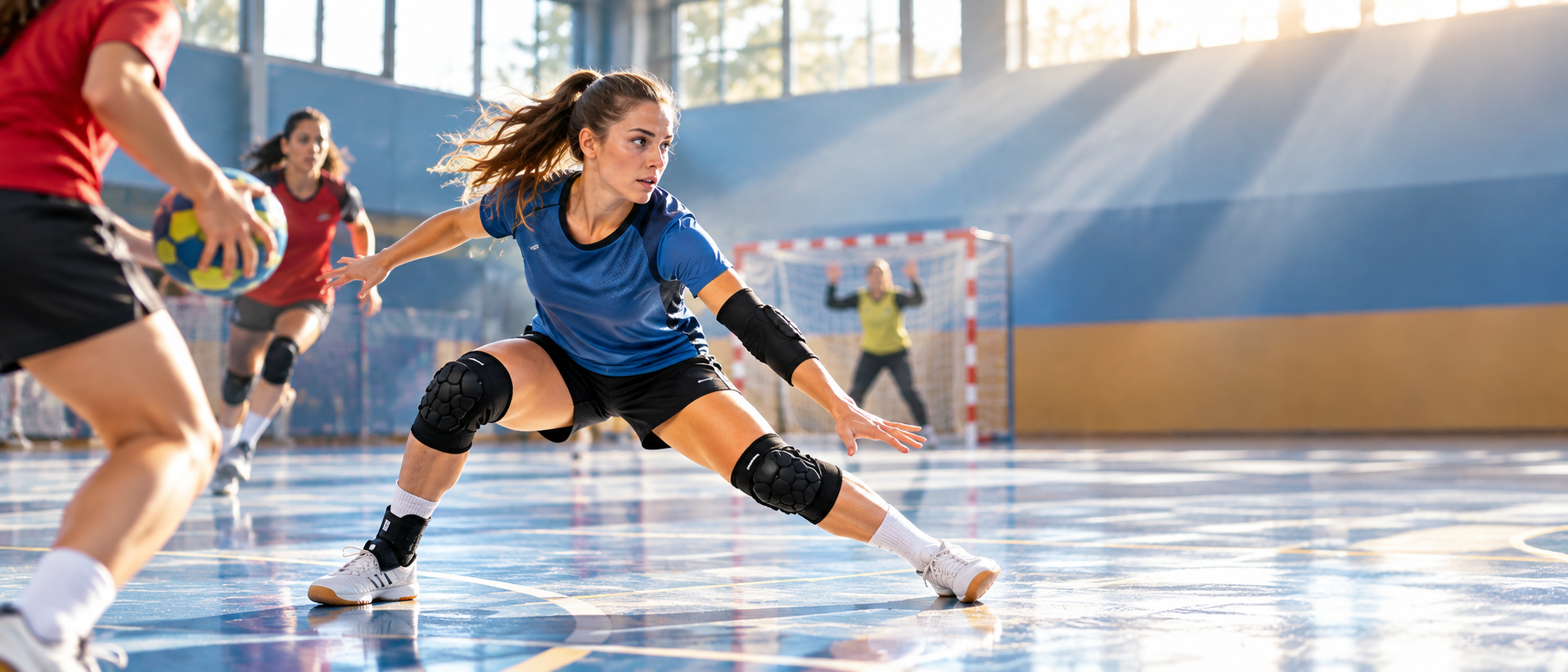
Handball involves a lot of falls, dives, and contact. Knee pads for handball are especially important for beginners, who may not yet know how to fall or land safely.
Why Knee Pads Are a Must‑Have Handball Gear Item
- Impact protection: Cushion your knees when landing from jumps or being knocked down.
- Confidence booster: You’ll be more willing to defend aggressively or dive for loose balls when you feel protected.
- Injury prevention: Reduces bruises, abrasions, and long‑term strain on the knee joint and ligaments.
How to Choose the Right Handball Knee Pads
- Snug but not restrictive: They shouldn’t slip down but also shouldn’t cut off circulation.
- Flexible padding: Allows full range of motion while still providing adequate cushioning.
- Breathable fabric: Look for moisture‑wicking materials to reduce sweat build‑up.
Many beginners skip knee pads at first and regret it after the first few hard falls. Don’t make that mistake-put them on your essential list from day one.
4. Handball Clothing: Comfort and Mobility
While you can play in almost any sportswear, specific handball clothing is designed for the fast, physical nature of the game.
Handball Jerseys and Shorts
- Lightweight and breathable: Synthetic fabrics (like polyester blends) wick sweat and dry quickly.
- Loose but not baggy: Enough room to move, without excess material that opponents can grab.
- Durable stitching: Handball involves a lot of contact, so jerseys need to be tough.
Base Layers (Optional but Recommended)
Compression shirts and shorts can help:
- Keep muscles warm and supported
- Reduce chafing and irritation
- Provide a bit of extra protection from scrapes
For beginners, a simple, breathable T‑shirt and sports shorts are enough to get started-but consider upgrading as you play more often.
5. Protective Handball Gear: From Elbow Pads to Mouthguards
Beyond knee pads, there’s other protective gear that can make the game safer and more comfortable, especially for contact‑heavy positions like pivot or aggressive defenders.
Common Protective Items for Handball Beginners
- Elbow pads: Great if you often dive for the ball or fall sideways.
- Ankle braces or supports: Helpful if you’ve had previous ankle injuries or feel unstable on jumps.
- Mouthguard: Protects your teeth and reduces the risk of cuts to the lips and tongue during collisions.
- Finger tape: Useful for supporting joints, especially if you jam fingers while catching.
You don’t need all of this from day one, but knowing what’s available helps you upgrade your handball gear as your intensity and level increase.
6. Handball Socks and Insoles: Small Details, Big Difference
Performance socks and proper insoles are often overlooked, yet they can significantly improve comfort and prevent blisters.
Choosing the Right Handball Socks
- Moisture‑wicking: Keeps your feet dry and reduces friction.
- Cushioned heel and toe: Extra comfort for jumps and sprints.
- Good fit: Socks that slide down or bunch up can cause blisters quickly.
If you have flat feet, high arches, or recurring knee pain, consider sports insoles that improve shock absorption and alignment.
7. Basic Handball Accessories for Beginners
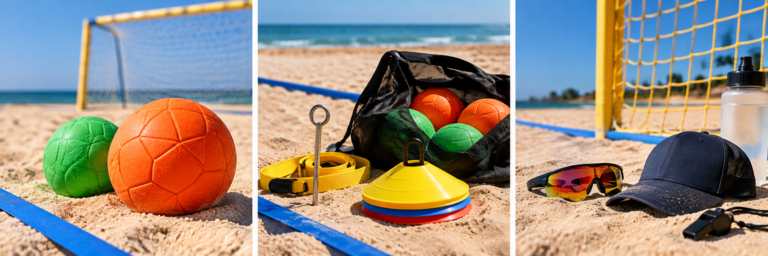
Once you have your core gear, a few simple accessories will round out your handball kit and make your training more efficient.
- Sports bag: A medium‑sized bag with separate compartments for shoes, clothes, and accessories.
- Water bottle: Hydration is crucial in such an intense sport.
- Towel: For sweat and for post‑game showers.
- Resin (where allowed): Some leagues allow resin for better grip; always follow hall and club rules.
- Mini first‑aid kit: Tape, band‑aids, and disinfectant for minor cuts and blisters.
8. Recommended Starter Kit: Handball Gear Checklist
To make things easier, here’s a simple starter kit checklist for your first season.
| Gear Item | Priority | Notes |
|---|---|---|
| Handball (correct size) | Essential | For team practice & solo training |
| Indoor handball shoes | Essential | Non‑marking, good grip |
| Knee pads | Essential | Protection for falls & dives |
| Jersey & shorts | Essential | Breathable sportswear |
| Handball socks | Recommended | Helps prevent blisters |
| Elbow pads / ankle support | Optional | Based on injury history |
| Mouthguard | Optional | Especially for pivots & defenders |
| Sports bag & bottle | Recommended | Keeps gear organized |
9. Practical Tips for Buying and Using Handball Gear
As a beginner, it’s easy to overspend or buy the wrong equipment. These practical tips will help you invest wisely.
1. Start with Essentials, Then Upgrade
Focus your budget on the items with the biggest impact:
- Good indoor shoes
- A handball that matches your category
- Reliable knee pads
Once those are covered, add accessories and upgrades (like advanced protective gear or pro‑level jerseys).
2. Ask Your Coach or Club
Clubs often have preferred brands, sponsors, or even discounts. They can also tell you exactly what’s required for matches versus training.
3. Try Before You Buy, If Possible
- Borrow shoes or knee pads from teammates for one session to test the feel.
- Visit a specialized handball or indoor sports store to try multiple models.
4. Take Care of Your Gear
- Air out shoes and knee pads after each session to prevent odors.
- Wash jerseys and socks according to label instructions.
- Keep your handball clean and at the recommended pressure.
10. First‑Hand Experiences: What Beginners Usually Regret (and How to Avoid It)
Many new players share similar stories about their first season. Here are some common regrets-and how you can avoid them:
- “I started without knee pads.”
After a few games on hard indoor floors, sore and bruised knees are almost guaranteed. Start with knee pads from day one, especially if you’re playing defense or pivot. - “I used running shoes instead of handball shoes.”
Running shoes are designed for straight‑line motion, not side‑to‑side cutting. Beginners quickly feel the difference in stability and risk of sprains. Invest early in proper indoor shoes. - “I ignored socks and got blisters.”
Cheap cotton socks absorb sweat and cause friction. Performance socks make a surprising difference during tournaments and double training sessions.
Learning from these experiences will save you pain, frustration, and money on replacements or medical visits.
11. Benefits of Investing in Proper Handball Gear Early
Getting the right handball equipment from the beginning pays off in multiple ways:
- Faster skill development: Good grip and fit help you focus on technique, not discomfort.
- Reduced injury risk: Proper support and padding protect joints and muscles.
- More enjoyment: When you feel safe and comfortable, training becomes fun rather than painful.
- Better long‑term performance: Healthy knees, ankles, and shoulders today mean more seasons on the court tomorrow.
Conclusion: Build Your Handball Starter Kit With Confidence
Stepping into handball as a beginner is a thrilling experience. With the right handball gear for beginners-from a properly sized ball and indoor shoes to reliable knee pads and basic protective equipment-you’ll be ready to train hard, stay safe, and enjoy every minute of the game.
You don’t need the most expensive, professional‑level gear to start. Focus on essentials, choose comfortable and supportive equipment, and upgrade slowly as your skills and commitment grow. With a well‑chosen starter kit, you’ll build confidence faster, prevent common injuries, and get the most out of every training session and match.
Grab your ball, lace up your shoes, strap on those knee pads, and hit the court-your handball journey starts now.