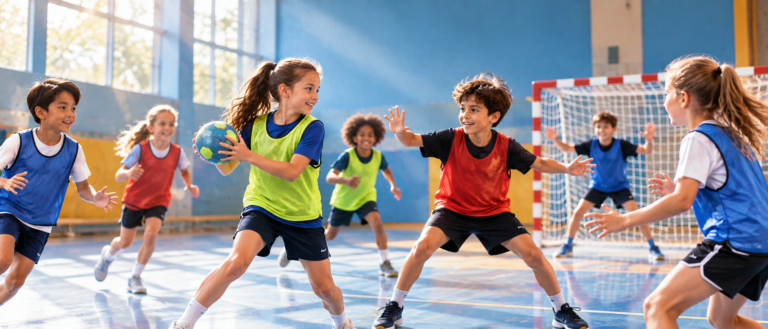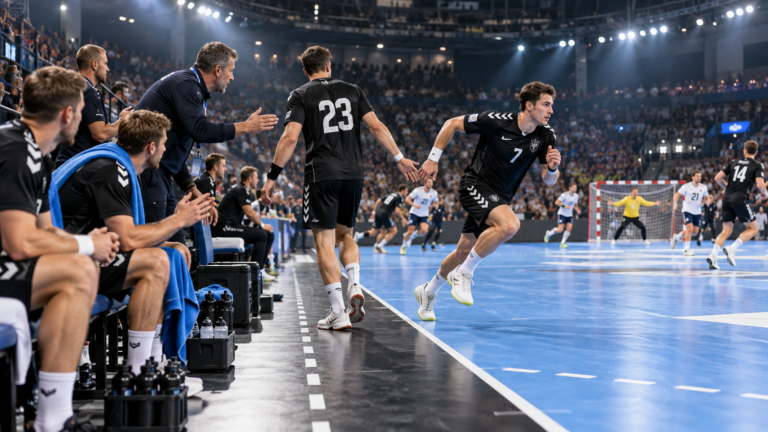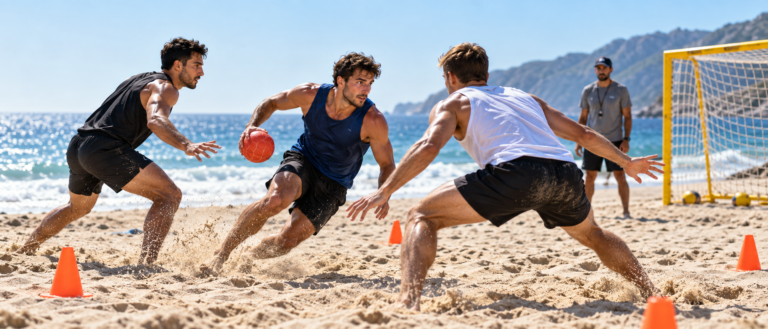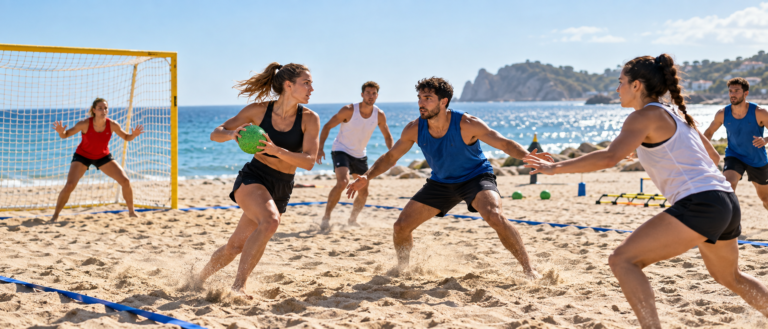
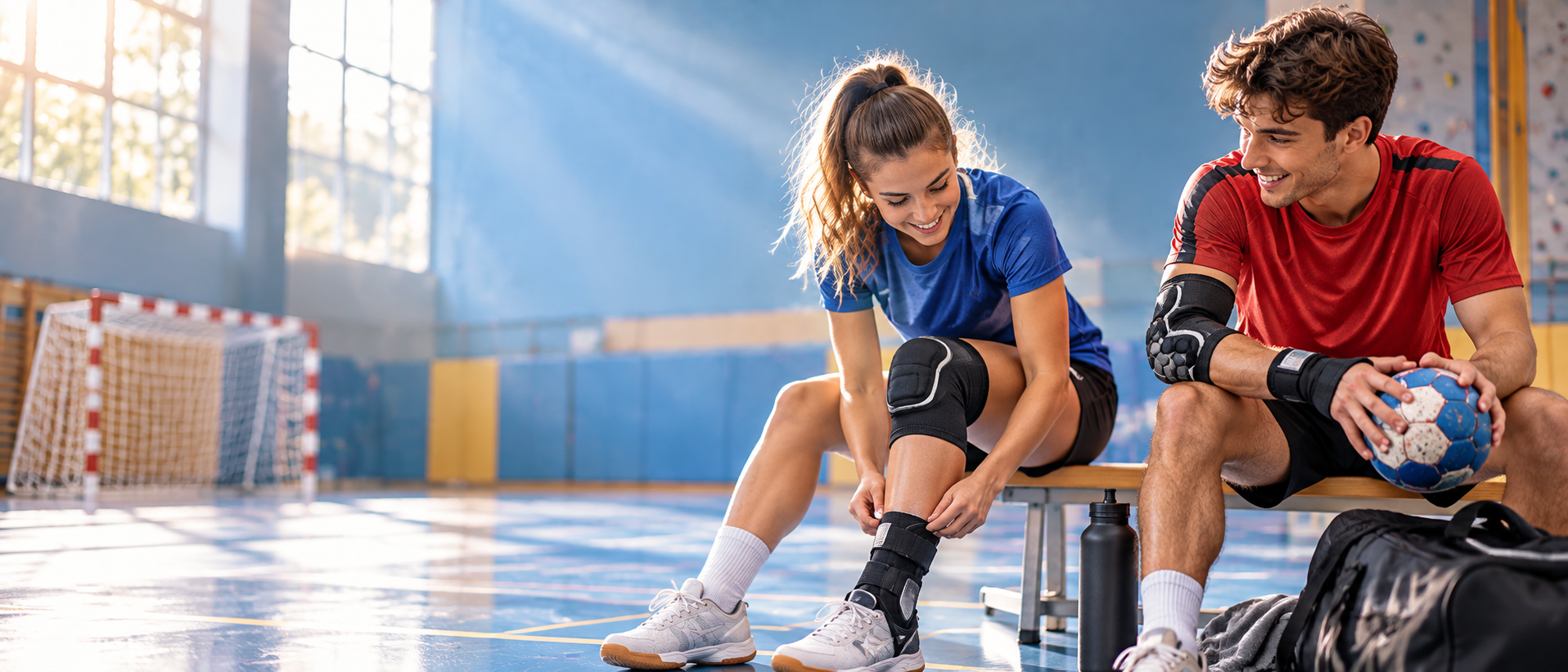
Handball is fast, physical, and intense. Players sprint, jump, pivot, shoot, and defend in tight spaces. With all that action, bumps and bruises are part of the game-but do you really need protective equipment like pads and braces to play safely?
In this in-depth guide, we’ll look at the most common types of handball protective gear, when it’s worth investing in them, and how to choose the right pads and braces for your level and playing style. Whether you’re a beginner, a youth player’s parent, or a seasoned right back crashing through defenses every weekend, this article will help you make informed decisions about handball safety equipment.
Why Protective Equipment Matters in Handball
Handball is a contact sport with explosive movements and frequent physical duels. The most common injuries include:
- Knee injuries (ligament strains, patella pain)
- Ankle sprains from sudden changes of direction or awkward landings
- Finger and wrist injuries from ball contact or collisions
- Shoulder issues from repetitive overhead throwing
- Bruises and abrasions from falls on the court
While no knee pad or ankle brace can make you completely injury-proof, the right handball pads and braces can:
- Reduce impact forces when you fall or dive
- Provide support to vulnerable joints
- Increase confidence when returning from injury
- Limit the severity of common knocks and twists
The key is understanding when protective equipment is truly helpful-and when it’s just extra gear.
Common Types of Protective Equipment in Handball
Let’s break down the main categories of handball protective equipment and what they actually do.
1. Knee Pads
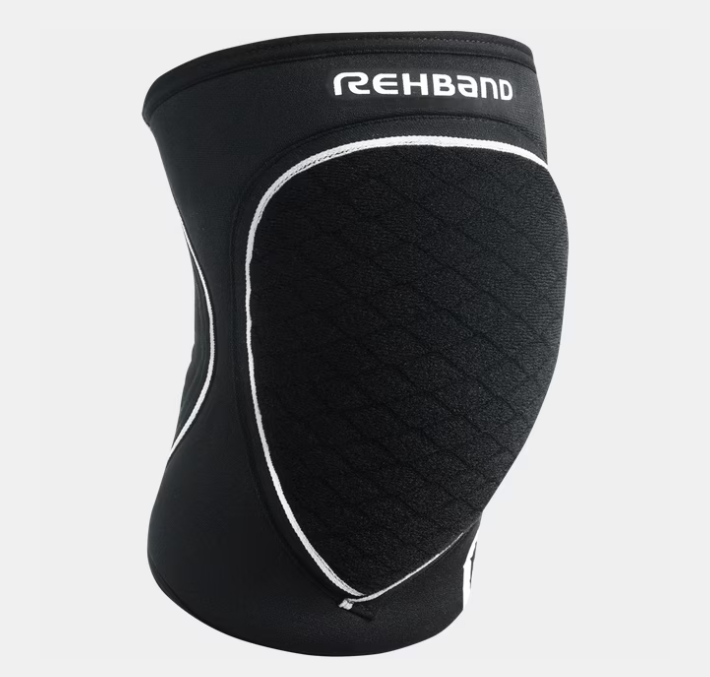
Knee pads for handball are among the most popular items of protective gear. They’re especially common among wings, playmakers, and defenders who dive or get knocked down frequently.
What they do:
- Cushion falls and dives on hard indoor courts
- Protect the kneecap (patella) from direct impact
- Reduce bruises and skin abrasions
Who benefits most:
- Players who dive or slide often (e.g., wing players, aggressive defenders)
- Youth players still developing coordination and stability
- Players with a history of patella pain or minor knee issues
2. Ankle Braces and Supports
Ankle braces are often recommended for jumpers and quick movers-basically, every handball position.
What they do:
- Limit excessive ankle rolling (inversion/eversion)
- Offer compression and stability around the joint
- Help players return to play after ankle sprains
Who benefits most:
- Players with a history of ankle injuries
- Pivots and backs who land in traffic after jumps
- Youth players with hypermobility or very “soft” ankles
3. Elbow and Forearm Pads
Less common than knee pads, elbow pads are still very useful for certain players.
What they do:
- Protect elbows during falls and dives
- Prevent painful impact on hard surfaces
- Reduce cuts and abrasions on exposed skin
Who benefits most:
- Goalkeepers diving frequently
- Defenders who take a lot of contact or fall often
- Players with bony elbows or previous impact injuries
4. Wrist and Finger Supports
Finger tape, finger braces, and wrist supports are common, especially in higher levels of play.
What they do:
- Stabilize joints after sprains or dislocations
- Limit extreme ranges of motion that cause re-injury
- Provide compression to reduce swelling
Who benefits most:
- Players with previous finger dislocations
- Goalkeepers taking hard shots on the hands
- Backs and wings who frequently jam fingers during catching
5. Shoulder Braces and Compression Tops
The shoulder is heavily used in handball throws. Shoulder braces and compression tops are sometimes used by players with recurring shoulder pain.
What they do:
- Provide mild support and warmth around the joint
- Improve proprioception (joint awareness)
- Help maintain consistent muscle temperature during games
Who benefits most:
- Players with chronic shoulder instability or tendon issues
- Backs and shooters with high throwing volume
Do You Really Need Pads and Braces for Handball?
The honest answer: it depends on your body, position, and history of injuries. Not every player needs every piece of gear, and over-reliance on braces can sometimes weaken natural stability if they’re used without proper strength training.
Situations Where Protective Gear Is Strongly Recommended
- Returning from injury: If you’re coming back from a knee, ankle, or shoulder injury, a brace can add confidence and stability (especially in the first weeks or months).
- Chronic joint issues: Players with recurring sprains or instability often benefit from ongoing support.
- Youth and beginners: For players still learning technique and body control, basic protective equipment can reduce minor injuries and fear of contact.
- Very physical leagues: In higher divisions or very aggressive competitions, protective gear can help you handle more contact safely.
When You Might Not Need Much Protective Equipment
- You have no history of joint injuries.
- Your training includes regular strength, balance, and mobility work.
- You play at a recreational level with reduced intensity.
- You feel unrestricted and comfortable without braces or pads.
The key is to combine good technique, conditioning, and appropriate protective gear. Pads and braces are not a shortcut for poor preparation, but they are a smart extra layer of safety.
Pros and Cons of Handball Pads and Braces
| Protective Gear | Pros | Cons | Best For |
|---|---|---|---|
| Knee Pads | Protect from impact, bruises, abrasions | Can feel warm, may slip if poorly fitted | Diving players, youth, chronic knee bruisers |
| Ankle Braces | Extra stability, reduced ankle rolling | May restrict movement slightly, need correct fit | Players with ankle sprain history |
| Elbow Pads | Less pain when falling, protects bony areas | Not essential for all positions | Goalkeepers, frequent divers |
| Finger/Wrist Supports | Joint stability, confidence on ball contact | Can limit fine movement if overused | Keepers, players with past finger injuries |
| Shoulder Braces | Mild support, warmth, proprioception | Limited effect without rehab work | Players with shoulder instability |
How to Choose the Right Handball Protective Gear
1. Match the Gear to Your Position
- Goalkeepers: Consider knee pads, elbow pads, finger tape, and sometimes padded shorts.
- Backs and Shooters: Ankle braces, knee pads, and possibly shoulder support if you throw a lot.
- Wings: Light, flexible knee pads and ankle supports for jumping and landing.
- Pivots: Extra joint support (knees and ankles) due to constant contact and blocking.
2. Look for Handball-Specific Design
Some volleyball or basketball pads work fine, but handball-specific protective equipment is usually designed for:
- Frequent direction changes
- High-intensity jumping and landing
- Close-contact defending and attacking
Check product descriptions for terms like “for handball,” “indoor court sports,” or “multi-directional support.”
3. Prioritize Fit and Comfort
Poorly fitted pads and braces can be more harmful than helpful. Keep in mind:
- No slipping or rolling: Gear should stay in place during sprints and jumps.
- Enough compression, not cutting off circulation: You should feel snug support, but no numbness or tingling.
- Breathable materials: Look for moisture-wicking fabrics to avoid discomfort and skin irritation.
4. Follow Medical Advice After Injury
If you’re dealing with a recent or recurring injury, don’t guess. Consult a sports doctor or physiotherapist about:
- Whether a brace is appropriate
- Which type and level of support you need
- How long you should wear it during training and matches
Protective gear should complement rehabilitation and strengthening exercises, not replace them.
Practical Tips for Using Pads and Braces in Handball
1. Don’t Wait Until You’re Hurt
If you know you tend to fall on your knees or have slightly unstable ankles, consider using preventive protective equipment early on. It’s easier to prevent injuries than to recover from them.
2. Test New Gear in Training First
Never wear new pads or braces for the first time in a competitive match. Instead:
- Try them in a light training session
- Adjust straps and fit as needed
- Make sure you can still run, jump, and shoot freely
3. Combine Gear with Strength and Mobility Work
To truly protect your joints, pair your handball safety equipment with smart training:
- Balance and proprioception: Single-leg stands, wobble board exercises
- Strength: Squats, lunges, hip and core stability work
- Mobility: Proper warm-ups and stretches for ankles, knees, and shoulders
4. Maintain and Replace Your Equipment
Old, worn-out braces or pads can lose their effectiveness. Check regularly for:
- Flattened padding or foam
- Stretched-out elastic that no longer holds
- Tears, rips, or worn straps
Wash your gear according to the manufacturer’s instructions to avoid odors and skin irritation.
Case Examples: When Protective Gear Makes a Difference
Case 1: The Aggressive Defender with Bruised Knees
A 23-year-old defender always ended matches with bruised knees due to frequent dives and collisions. After switching to quality, low-profile handball knee pads, she reported fewer bruises and less soreness post-game. She also felt more confident in committing to tackles, knowing she had extra cushioning.
Case 2: The Playmaker Returning from an Ankle Sprain
A playmaker suffered a moderate ankle sprain and missed three weeks. Under a physio’s guidance, he used a semi-rigid ankle brace during his first month back. The brace minimized sideways movement while he worked on balance and strength exercises. He gradually reduced use of the brace as his stability improved, avoiding re-injury.
Case 3: The Goalkeeper Protecting Fingers and Elbows
A goalkeeper regularly had swollen fingers and painful elbows after games. By taping his fingers and adding light elbow pads, he significantly reduced post-match pain. He could train more consistently without skipping sessions due to impact soreness.
Frequently Asked Questions About Handball Protective Equipment
Is protective gear mandatory in handball?
Most leagues only require standard equipment (shoes, appropriate sportswear) and sometimes mouthguards. Pads and braces are generally optional but allowed, as long as they’re safe and don’t have hard, exposed parts that could injure others.
Can pads and braces prevent all injuries?
No. They can reduce risk and severity of some injuries, especially impact and mild sprains, but they can’t make you injury-proof. Proper technique, conditioning, and warm-up routines are just as important.
Will wearing a brace weaken my joints?
Long-term dependence on braces without strength training can contribute to weaker natural stability. The solution: use braces strategically-especially after injuries-while also working on muscle strength and balance.
What’s the most important piece of protective gear for beginners?
For many new players, knee pads are the best starting point. They protect against common falls and build confidence when learning to move aggressively on the court.
Conclusion: Do You Really Need Pads and Braces for Handball?
You don’t need to look like a walking armor-plated robot to play handball safely-but ignoring protective equipment altogether isn’t smart either.
You should seriously consider pads and braces if:
- You’re returning from an injury
- You play in a physically demanding league
- You dive, fall, or collide often in your position
- You have a history of joint instability or chronic pain
You might keep it minimal if:
- You’re injury-free and well-conditioned
- You play at a recreational or low-contact level
- You move confidently and comfortably without extra support
The best approach is balanced: use handball-specific pads and braces as smart tools to support your performance and safety-while still focusing on strength, mobility, and solid technique.
Ultimately, protective equipment in handball isn’t about fear; it’s about confidence, prevention, and longevity. Choose the right gear for your needs, wear it correctly, and you’ll give yourself a better chance to enjoy the sport you love for many seasons to come.