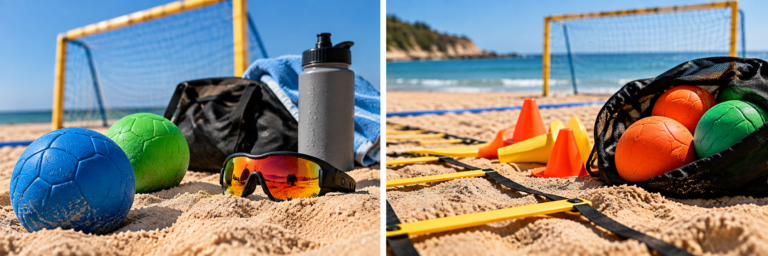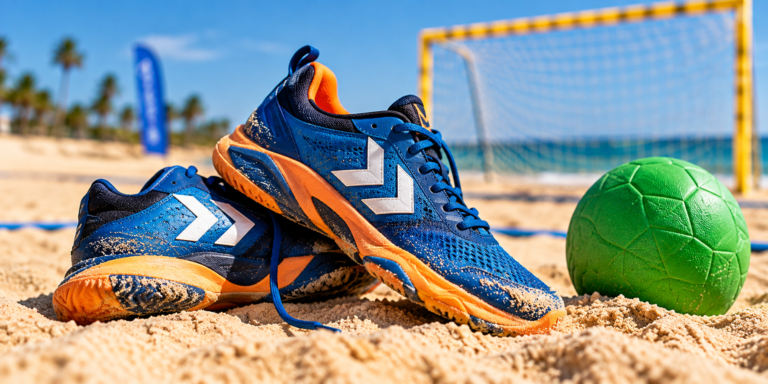
Beach handball is fast, spectacular, and full of acrobatic plays. But none of that happens without the right ball. Choosing the correct beach handball ball-in terms of size, weight, and grip-is essential for performance, safety, and fun on the sand.
In this guide, we’ll walk through everything you need to know about beach handball balls for sand play, including official sizes, recommended weights, how grip works, and what to look for when buying your next ball.
What Makes a Beach Handball Ball Different?
At first glance, a beach handball ball may look similar to an indoor handball. However, there are some key differences that make it ideal for playing on sand:
- Softer touch: Designed to be comfortable when caught with bare hands.
- Textured grip: Special surface texture to improve control without resin.
- Water-resistant materials: To handle sand, sweat, and moisture.
- Optimized weight and pressure: Light enough for trick shots and spins, but heavy enough for accurate throws in windy conditions.
Unlike traditional indoor balls, beach handball balls are optimized for outdoor play on sand, barefoot athletes, and often high temperatures and humidity.
Official Beach Handball Ball Sizes (IHF Standards)
The International Handball Federation (IHF) sets official standards for beach handball ball size and weight. These standards ensure consistency across training, local leagues, and international tournaments.
Beach Handball Ball Sizes by Category
| Category | Official Size | Circumference (approx.) | Recommended Age / Group |
|---|---|---|---|
| Men | Size 3 | 54-56 cm | Adult male players |
| Women | Size 2 | 50-52 cm | Adult female players |
| Youth (Boys & Girls) | Size 1 | 46-48 cm | Typically 12-16 years |
While children under 12 might use even smaller training balls, Size 1, 2, and 3 beach handball balls are the main categories used in official competitions and most club training sessions.
Beach Handball Ball Weight: Light, But Not Too Light
Weight plays a crucial role in accuracy, throwing power, and player safety. In beach handball, the lighter weight of the ball helps players perform dynamic moves, such as spins, in-flights, and 360° shots, without risking injury.
Official Beach Handball Ball Weights
| Ball Size | Weight Range | Typical Use |
|---|---|---|
| Size 3 | 350-370 g | Men’s beach handball |
| Size 2 | 280-300 g | Women’s beach handball |
| Size 1 | 240-260 g | Youth beach handball |
Why weight matters for sand play:
- Too heavy: Harder on fingers and shoulders, especially when diving or making acrobatic shots.
- Too light: Easily affected by wind, harder to control over long passes or strong throws.
Sticking to the official beach handball ball weight range ensures a better balance between performance and player comfort.
Grip: The Secret to Better Control on Sand
Grip is where beach handball balls truly separate themselves from traditional indoor balls. On sand, players often have wet or sandy hands, and using resin is not allowed. Therefore, the ball’s surface must provide natural grip.
Key Grip Features of Quality Beach Handball Balls
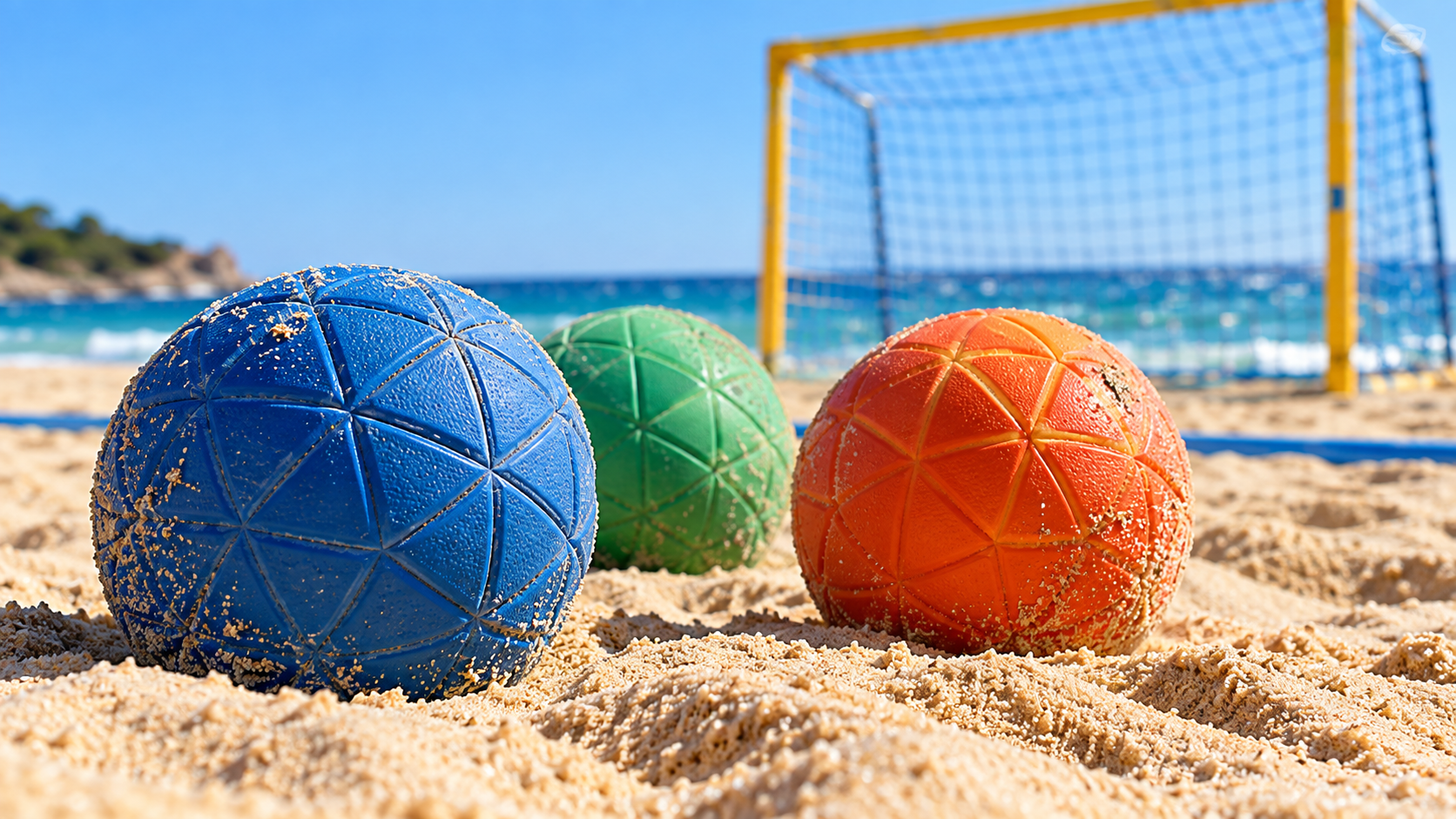
- Textured surface: Usually a dimpled or patterned outer layer that enhances friction and control.
- Non-slip material: Typically high-quality rubber or synthetic materials designed for dry and wet conditions.
- Soft but firm feel: Soft enough for comfort, firm enough to keep its shape during intense play.
Unlike indoor handball, where resin is a big part of handling the ball, beach handball grip depends almost entirely on the ball design. That’s why it’s critical to choose a model known for reliable grip on sand.
How to Test Grip When Choosing a Ball
When you get the chance to hold the ball before buying, you can do a quick grip test:
- Check if your fingers “lock in” naturally into the surface texture.
- Try catching and throwing with slightly damp hands (simulating sweat or moisture).
- Rotate the ball with one hand-if you can spin it easily without slipping, the grip is solid.
Size, Weight, and Grip: How They Work Together
To play your best game on sand, you need the right combination of size, weight, and grip.
Matching Ball Size to Hand Size
The ideal beach handball ball should let you:
- Comfortably wrap your fingers around the ball.
- Perform one-handed passes and shots without feeling like you’re losing control.
- Execute spin shots and trick throws without straining your fingers.
Players with smaller hands might prefer a size down, even in casual mixed games, to gain better control and a more secure grip.
Weight and Playing Style
If you’re a beginner or casual player, sticking to official weights is best. Advanced or competitive players, however, might notice subtle differences:
- Attackers: Tend to prefer balls with excellent grip and consistent bounce for trick shots.
- Goalkeepers: Often focus on ball visibility (color) and predictable flight, so an accurately weighted ball is crucial.
In windy beach conditions, a properly weighted ball cuts through the air better than an ultra-light, non-regulation ball, which can wobble or drift.
Materials and Construction: What’s Inside a Beach Handball Ball?
Most beach handball balls are made from durable, weather-resistant synthetic materials. This helps them maintain their shape and grip even with constant exposure to sand, UV rays, and moisture.
Typical Construction Features
- Outer layer: High-quality, grippy rubber or synthetic material with a textured or dimpled pattern.
- Bladder: Air-retaining bladder that keeps the ball inflated and structurally sound.
- Panels or seamless design: Some balls use panel construction; others use near-seamless designs for a smoother feel and consistent bounce.
A well-constructed ball will have:
- Stable air pressure over time.
- Even bounce on different sand conditions (soft or compacted).
- Minimal water absorption when in contact with wet sand or splash zones.
How to Choose the Best Beach Handball Ball for You
With many options on the market, choosing the right beach handball ball can feel overwhelming. Here are the key points to consider:
1. Confirm the Correct Size
- Size 3: Adult male players or men’s competitions.
- Size 2: Adult female players, mixed recreational groups with smaller hands.
- Size 1: Youth players or beginners aged roughly 12-16.
2. Check Weight and Certification
- Look for balls that mention IHF-approved or “Official beach handball size and weight”.
- Avoid very cheap balls that don’t list weight; they may be too heavy or too light for proper play.
3. Evaluate Grip Quality
- Prefer models with a dimpled, non-slip surface.
- Read user reviews mentioning grip performance in hot or humid conditions.
- If possible, try the ball in real or simulated sand conditions.
4. Consider Color and Visibility
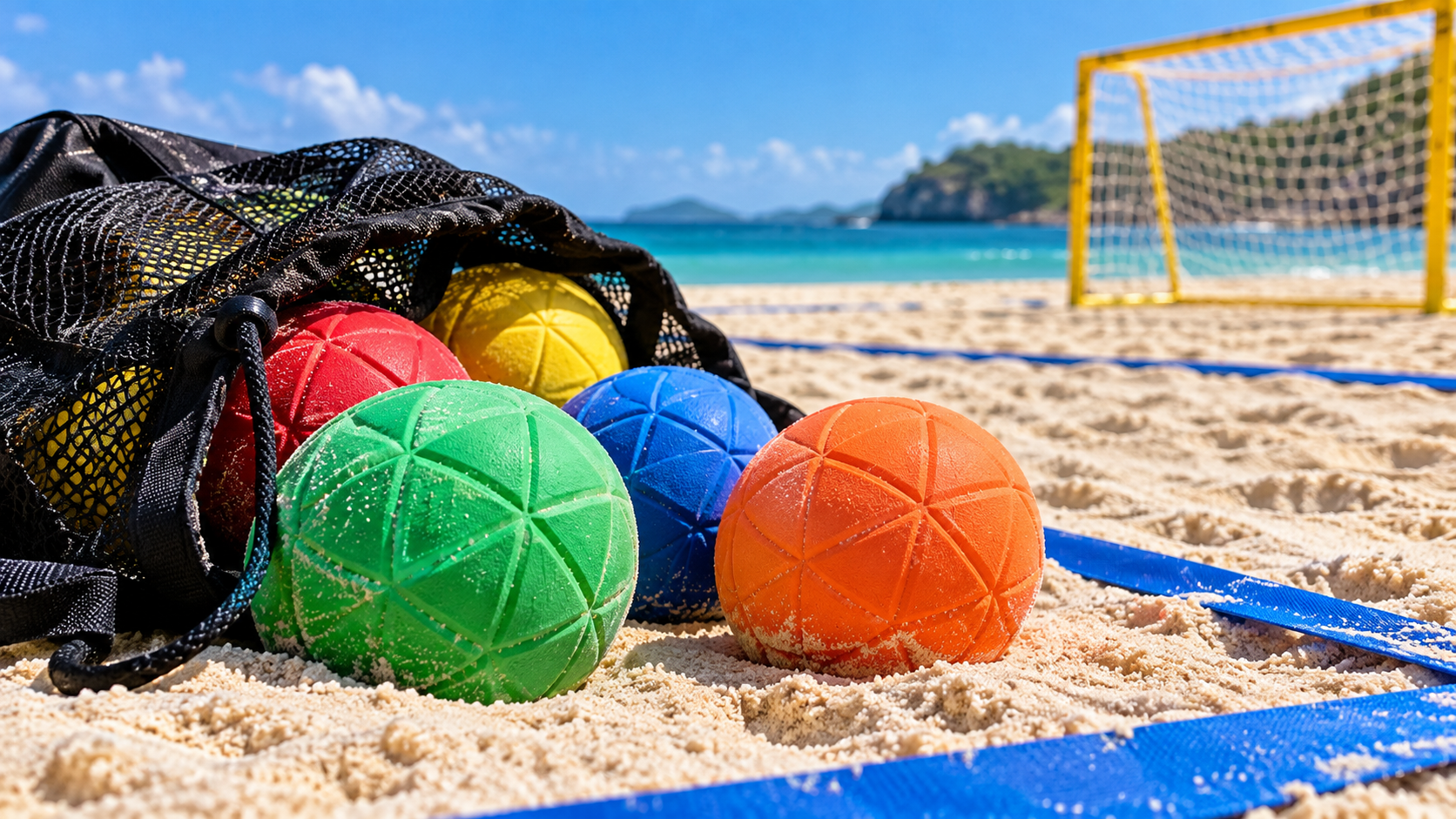
Beach handball is often played in bright sunlight or under stadium lights. A brightly colored ball-orange, yellow, neon, or contrasting colors-helps:
- Players track the ball during fast plays.
- Goalkeepers react quicker to shots.
- Spectators and cameras follow the action better.
5. Budget vs. Durability
While budget balls can be useful for casual play, they may:
- Lose grip faster.
- Deform under strong pressure.
- Wear down quickly on rough sand or pebble beaches.
For regular training or club use, investing in a high-quality ball generally pays off in terms of durability, safety, and consistent performance.
Benefits of Using the Right Beach Handball Ball
Using the proper ball for beach handball affects much more than just comfort. It can transform the overall quality of your game.
1. Improved Performance
- Better grip = more accurate passes and shots.
- Correct size and weight = easier trick shots and spins.
- Consistent construction = predictable bounce off sand.
2. Reduced Risk of Injury
- Proper weight reduces stress on shoulders, wrists, and fingers.
- Softer surface helps avoid abrasions and finger injuries on hard catches.
3. Enhanced Enjoyment
When players don’t have to struggle with a slippery or oversized ball, they can focus on tactics, teamwork, and fun. A good beach handball ball encourages creativity and spectacular shots, which are the heart of the sport.
Practical Tips: Care, Maintenance, and Storage
Even the best beach handball ball needs proper care to last. Here’s how to keep your ball in game-ready condition.
1. Cleaning After Sand Play
- Rinse the ball lightly with fresh water to remove sand and salt.
- Use a soft cloth to wipe the surface-avoid harsh brushes that can damage texture.
- Allow it to air dry completely before storing.
2. Proper Inflation
- Follow the manufacturer’s recommended pressure range (often printed near the valve).
- Use a pump with a needle and slightly moisten the needle before inserting to protect the valve.
- Do not overinflate; it can affect grip, bounce, and structural integrity.
3. Storage Tips
- Store in a cool, dry place, away from direct sunlight or extreme heat.
- Avoid leaving the ball for long periods in the car or on hot sand, which can alter pressure and material.
- Do not stack heavy items on top of the ball to prevent deformation.
Quick Comparison: Beach Handball vs. Indoor Handball Balls
| Feature | Beach Handball Ball | Indoor Handball Ball |
|---|---|---|
| Playing Surface | Sand, outdoor courts | Indoor sports halls |
| Grip Method | Textured surface, no resin | Often used with resin |
| Touch | Slightly softer | Firmer feel |
| Weather Resistance | Designed for sun, sand, and moisture | Primarily indoor conditions |
| Main Priority | Comfort, acrobatics, natural grip | Speed, precision, power |
While the two balls might look similar in size, they are optimized for very different conditions. Serious players will always use beach-specific balls on sand.
FAQ: Beach Handball Balls for Sand Play
Can I use an indoor handball ball on the beach?
You can, but it’s not recommended. Indoor balls are not designed for sand and may have poor grip without resin. They also don’t handle moisture or rough surfaces as well, and they’re usually harder on bare hands.
Do I really need an IHF-approved ball?
For casual games, an IHF-approved ball is not mandatory, but it’s a good indicator of quality. For clubs, tournaments, and serious training, using IHF-standard beach handball balls is strongly recommended.
What size ball should kids use?
Youth players (around 12-16 years) typically use Size 1. Younger kids may benefit from smaller, lighter training balls to develop basic skills and confidence.
How many beach handball balls should a team have?
For training, teams usually keep 5-10 balls to run drills efficiently. For official matches, there are typically at least two match-ready balls available.
Conclusion: The Right Beach Handball Ball Makes All the Difference
To get the most out of beach handball, you need more than a sandy court and a group of friends-you need the right ball for sand play. A properly chosen beach handball ball balances size, weight, and grip to deliver:
- Reliable control and accurate passing
- Comfortable catches, even with bare, sandy hands
- Safe, dynamic, and spectacular movements
By understanding official beach handball ball sizes, recommended weights, surface grip, and proper maintenance, you’ll be ready to choose a ball that enhances your performance and extends the life of your equipment.
Whether you’re training for competition or just setting up a fun game with friends, investing in a high-quality beach handball ball tailored to your needs will make every match smoother, safer, and a lot more enjoyable.